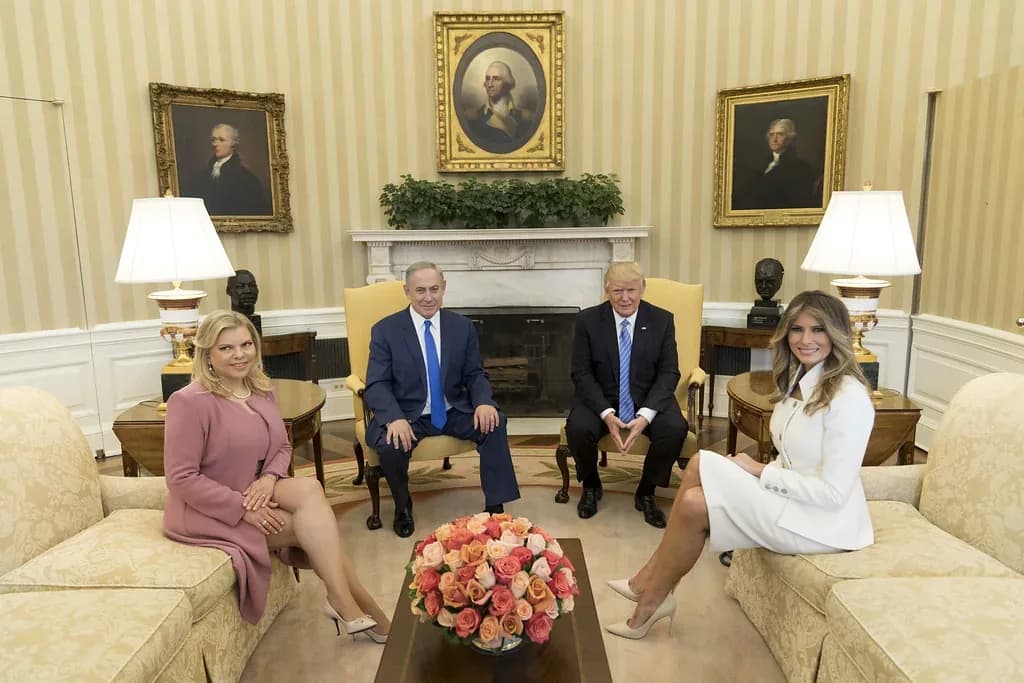
Netanyahu's rejection
Israeli Prime Minister Benjamin Netanyahu rejected the 15-point peace plan for Gaza backed by US President Donald Trump, stating that Israeli troops will not withdraw from Palestinian territory until Hamas is completely disarmed. During a cabinet meeting, he declared: "The Israel Defense Forces (IDF) will not carry out any withdrawal until Hamas is truly disarmed and will continue neutralizing threats against our forces and our citizens." The statement marked a new phase of tension over the conditions of the international understanding for the region.[S1]
The plan, which constitutes the latest stage of a US-backed ceasefire announced in October, stipulates that Hamas would hand over its weapons to an emerging Palestinian authority tasked with governing the territory, while Israel would begin withdrawing its forces in parallel. Netanyahu, however, insists that the disarmament must be total and effective before any military redeployment. He emphasized: "We are talking about authentic disarmament, not fictitious disarmament."[S1][S3]
Political pressures and reactions
Netanyahu, who is in a tight race to remain in power ahead of legislative elections on October 27, faces pressure from far-right allies to call a new cabinet vote and end the plan for Gaza. The Trump Peace Board, tasked with implementing the agreement, reportedly backtracked after meeting with Netanyahu last week, stating that Israel would only have to withdraw after a "complete" disarmament. Meanwhile, Hamas urged the committee, mediators, and Arab states to ensure all parties comply with the agreement and avoid violations that could hinder its implementation.[S1][S3]
Basem Naim, a senior Hamas official, said the group remains committed to the roadmap agreed with mediators in Cairo ten days ago, and expects the US, as guarantor, to pressure Netanyahu to adhere to it. Turkey and Egypt have also called for advancing the agreement. Netanyahu, however, reiterated that Israel is holding talks with the US on objections to the plan, noting that some proposals may be accepted while others will be rejected.[S2][S3]