Interception Details
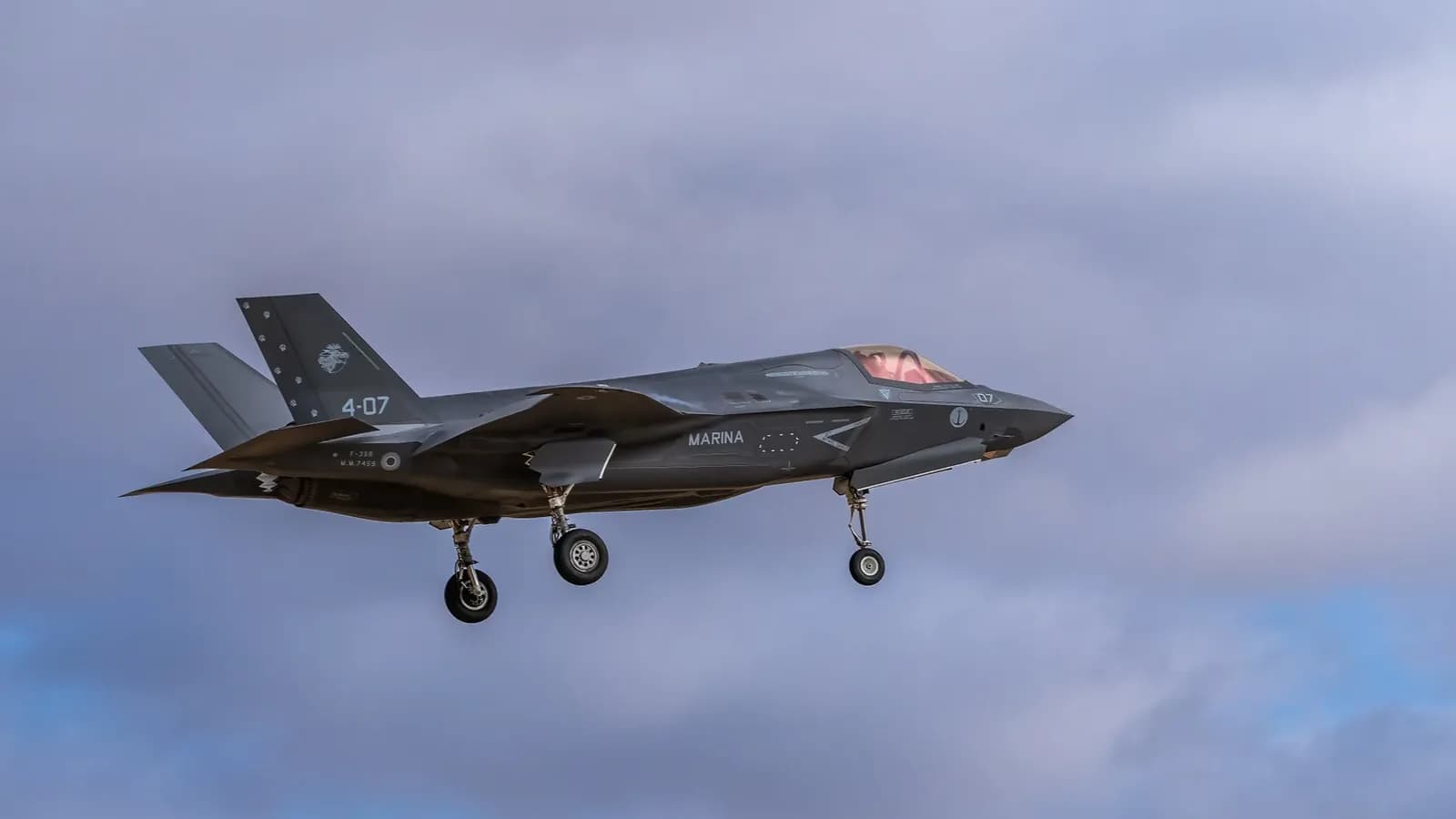
Officials reported Tuesday that NATO warplanes brought down a drone over Lithuania that was believed to be Russian and was carrying explosives. According to Lithuanian authorities, an Italian jet flying as part of NATO's Baltic air policing mission intercepted the aircraft after it crossed in from Belarus just after midnight. It came down close to Kaunas, near Pratkūnai, and nobody was hurt and nothing was damaged. Lithuania's National Crisis Management Center said the drone spent roughly half an hour over the country, passing near inhabited areas, before it was stopped. Investigators were studying wreckage to establish where it came from and what it was for.[S1]
Lithuania's defense minister, Robertas Kaunas, said bomb-disposal teams found and safely disposed of an explosive charge on the drone. Italian Defense Minister Guido Crosetto described Russia as the likely country of origin, though Lithuanian officials cautioned that the drone's provenance would only be settled once experts had inspected the remains. Russia offered no immediate reaction to the downing. Allied Air Command said the interception was directed by NATO's Combined Air Operations Centre at Uedem in Germany.[S1]
Reactions and Regional Tensions
German Foreign Minister Johann Wadephul, speaking during a trip to Geneva, called the downing an act of hostility by Russia toward NATO allies and said it showed mounting aggression against member states. He added that the alliance had proven it can protect its territory and would not be cowed, warning that efforts to frighten or split NATO would not succeed. NATO Secretary-General Mark Rutte said Monday that Russian military moves close to allied territory would only deepen, not weaken, NATO's backing for Ukraine, and accused Russian President Vladimir Putin of trying to sow fear. European Commission President Ursula von der Leyen likewise framed recent incidents near NATO territory as part of a broader pattern.[S1]
Around the same time, a separate standoff unfolded in the Baltic Sea, where Denmark accused a Russian frigate of firing flares at a Danish air force helicopter that was carrying out surveillance near the port of Gedser. Copenhagen summoned Russia's ambassador and called the action unacceptable. Moscow's envoy in Copenhagen denied the charge, saying Danish aircraft had flown provocatively close to Russian warships, while the Kremlin said it lacked enough information to respond. Tensions on NATO's eastern edge have climbed as Russia and Ukraine trade ever more long-range drone strikes. Russian forces hit targets across Ukraine on Tuesday, and Moscow said its air defenses downed 222 Ukrainian drones overnight.[S1]
Background and Implications
The downing adds to mounting unease among NATO's eastern members about drones and other military activity crossing their borders while Russia's war in Ukraine grinds on. Ukrainian drones have likewise drifted into Baltic airspace in recent months, with Kyiv attributing some of those diversions to Russian electronic warfare. Since Lithuania, Latvia and Estonia joined NATO in 2004, allied aircraft have guarded their skies, a mission that has grown more important since Russia's full-scale invasion of Ukraine began in February 2022. The interception is expected to intensify scrutiny of the alliance's eastern air defenses, as European officials increasingly caution that repeated incursions, sabotage claims and military encounters around the Baltic could draw Russia's war perilously near NATO territory.[S1]