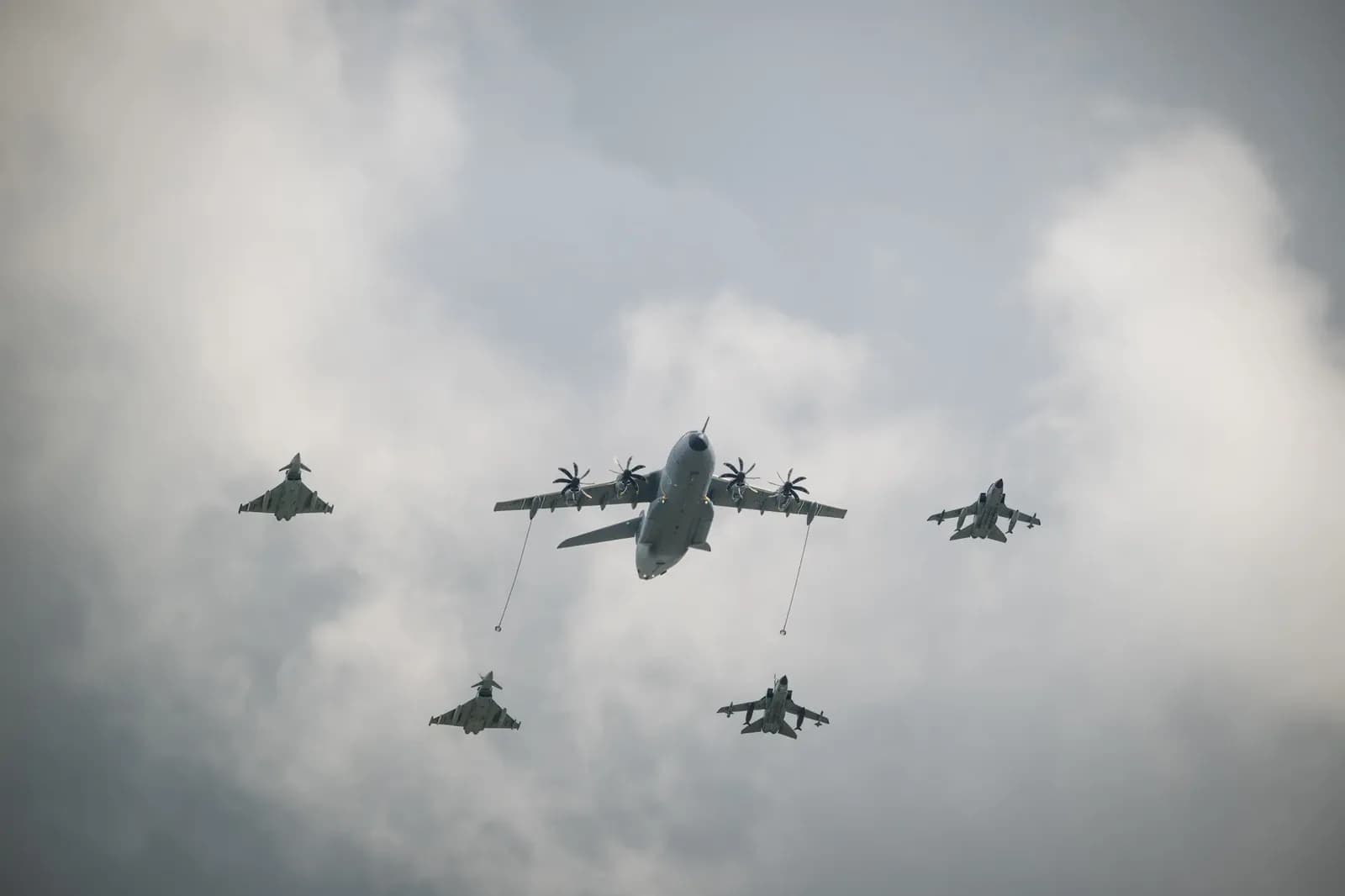
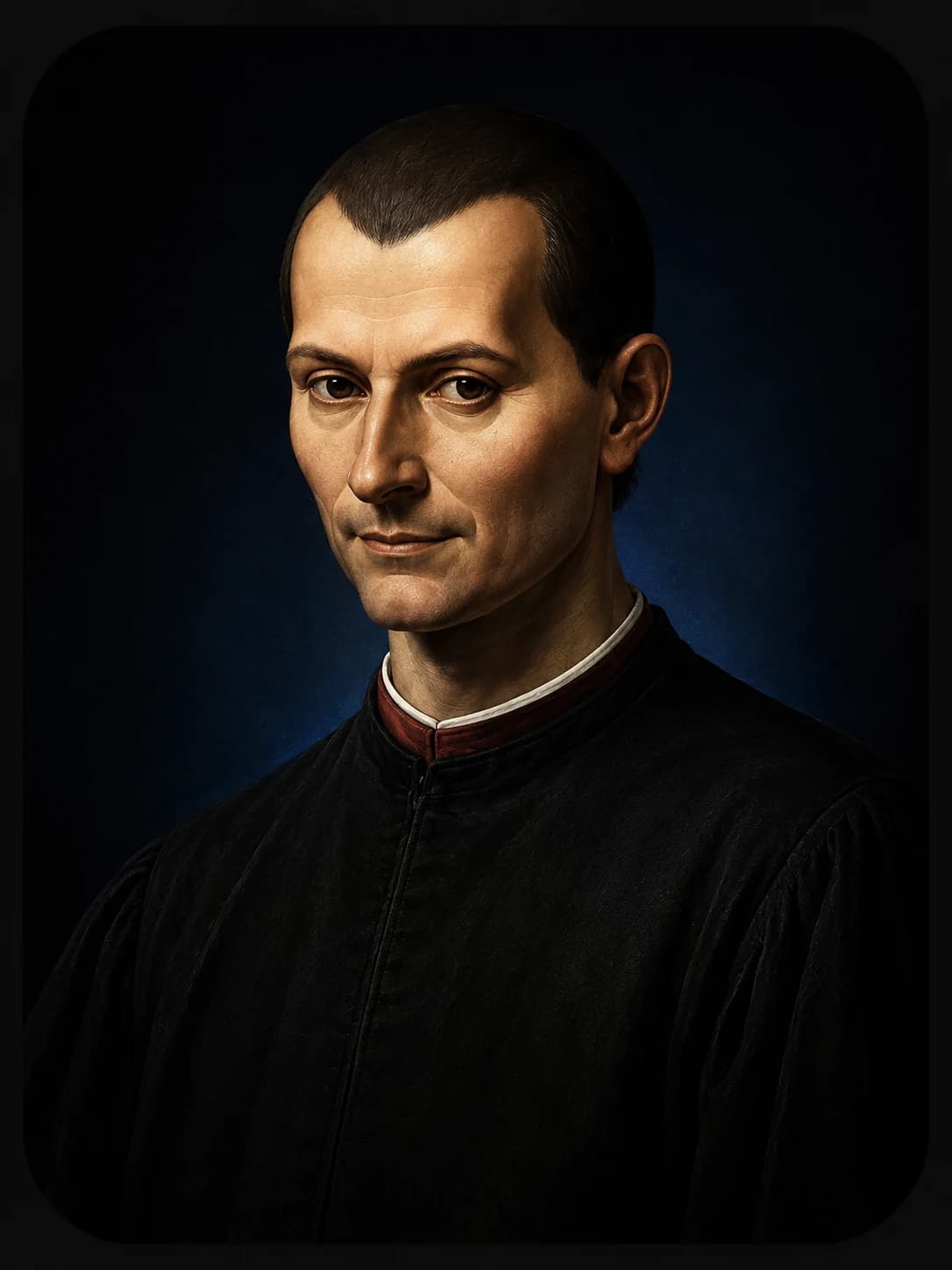
You tell me your alliance now widens its training because a new kind of threat has unsettled your capitals. I would look first not at the threat but at the preparation. Men who intend to do a thing ought first to prepare themselves with all industry, so that when the occasion appears they are ready to achieve what they proposed; and if the preparations are undertaken cautiously and unknown to anyone, no one can be accused of negligence unless he is first discovered by the occasion. A readiness that is only proclaimed when the danger is already at the border is no readiness at all.
I would also have you ask what kind of force you are training. An army arranged in one single method, whose whole chance rests on surviving the first onset, is easily vanquished, for any slight mishap or the least failure in the steadiness of its men may deprive it of victory. But a force that can be received into its own ranks, renewed, and reassembled, and that has been exercised in mock attacks until it desires real battle, is not undone by one surprise. If your enemy changes the form of his attack, your answer cannot be a single formation and a single plan; you must have trained for the enemy you see and for the one you do not see but apprehend.
And do not mistake the instrument for the intention. What you describe is an expansion of training and readiness; whether it becomes more than that depends on what you do when the occasion arrives. I have written that a kingdom may be gained in a single day by the defeat of a hostile army in the field, while a single obstinate place may waste years. So I would not measure your safety by the number of exercises you announce, but by whether your forces can be brought together, ordered, and made to act as one body when the moment comes.