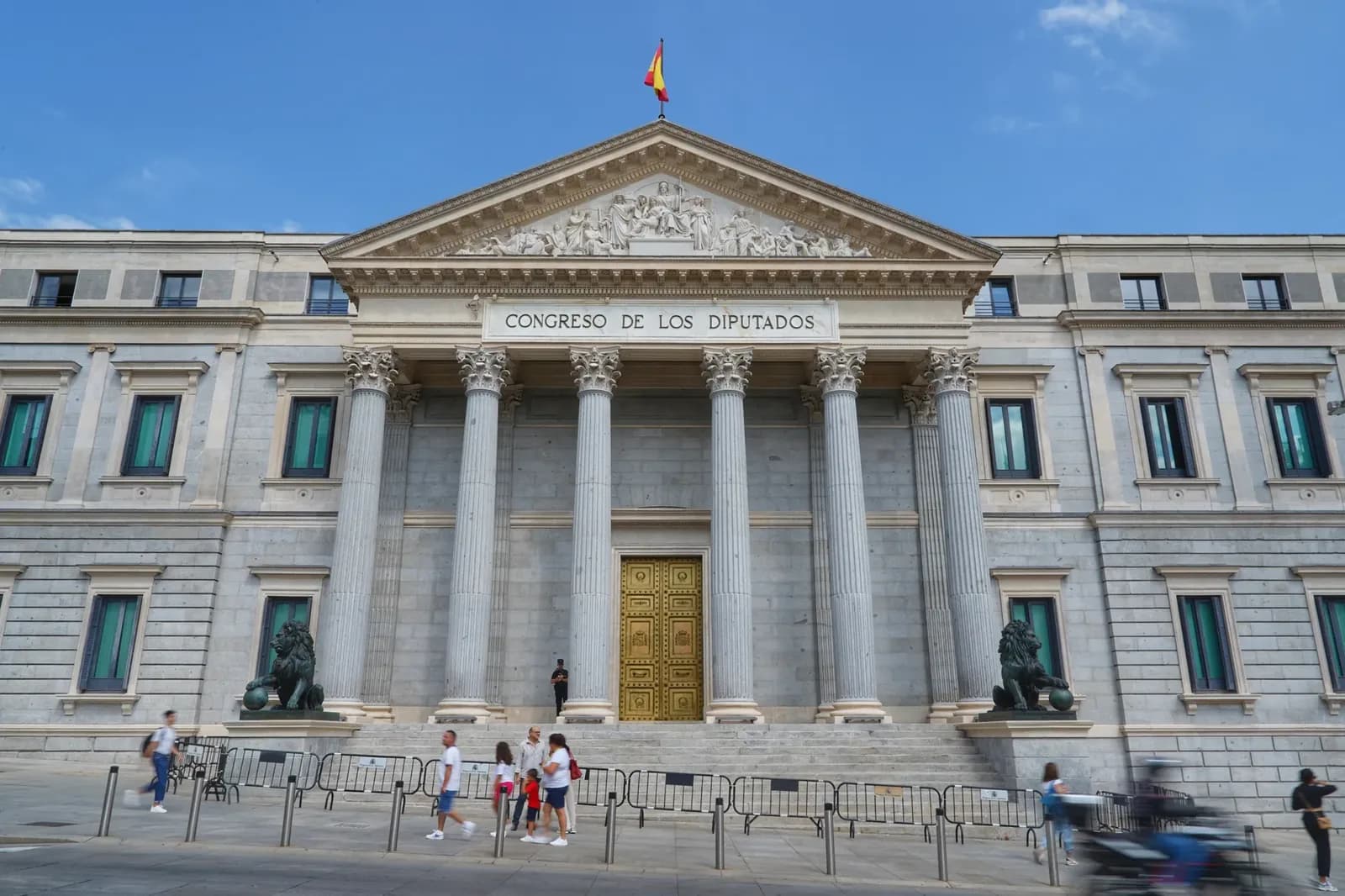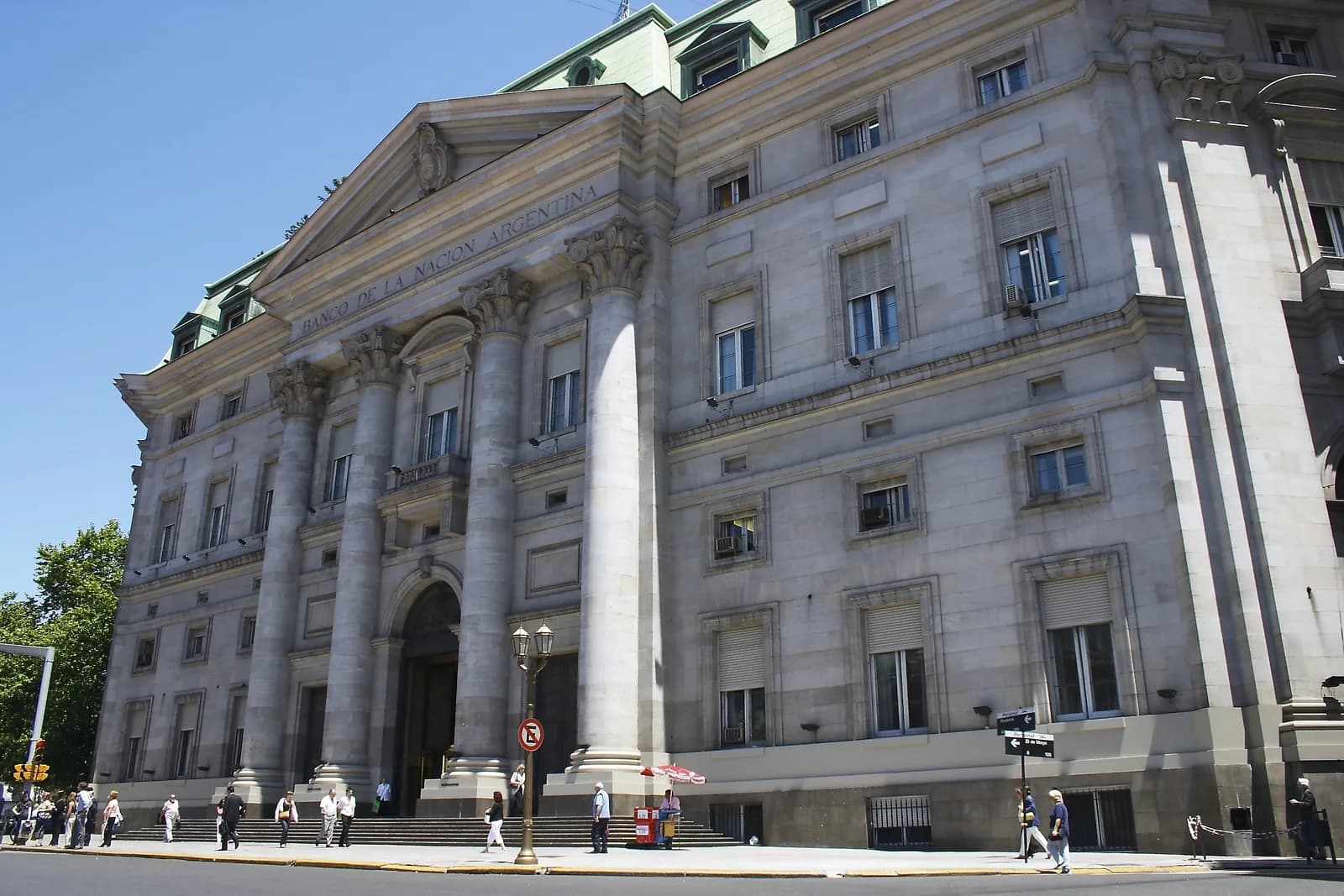
Congress converts the reform into law
Argentina's Chamber of Deputies turned the reform of the Central Bank of the Argentine Republic's charter into law on Thursday, accepting the changes the Senate had introduced. The tally was 141 in favor, none against and 99 abstentions, which corresponded to the Justicialist Party bloc. It was the first favorable result for the government during a long legislative day that also included work on the 2027 budget and, in the upper house, an electoral reform and a gambling bill.[S1][S2][S4][S6]
The bill had won initial approval in the lower house on August 26 and returned there after senators amended it on September 24. Opposition blocs chose to abstain rather than reject the text, a move that closed off the possibility of the ruling party insisting on its original wording. The reform had been a priority pushed personally by the president, and the Central Bank is currently led by Santiago Bausili.[S3][S5]
According to the opposition deputies' objections during the debate, the discussion touched on the institution's independence and the consequences of the change. The Peronist lawmaker Julia Strada raised the ties between Bausili and Economy Minister Luis Caputo, recalling that both were partners at the consultancy Anker. The leftist deputy Nicolás del Caño announced his bloc's rejection and argued the initiative does not guarantee the institution's autonomy, warning that reserves could serve as collateral for external borrowing. Eduardo Falcone of the MID confirmed his group's support while asking for federal representation on the board, and the radical Diógenes González backed the reform on the grounds that an independent Central Bank matters.[S6]
A single mandate: protect the currency's value
The new text rewrites article 1 so that the Central Bank's only, primary and fundamental function is to preserve the value of the currency. That replaces the definition adopted in 2012, which had added monetary and financial stability, employment and economic development with social equity to the institution's goals. The bill's sponsors argued that stacking up objectives makes it hard to judge how the monetary authority is performing, and that price stability should be the focus while employment, productive development and sectoral credit goals belong to other tools.[S1][S2][S3]
As a consequence, the board loses the power to steer loans toward small and medium-sized firms or regional economies, on the reasoning that such tasks belong to a development bank rather than the body that runs monetary policy. The reform also bars the Central Bank from lending to the national state, the provinces, the City of Buenos Aires and municipalities, and it eliminates both temporary advances to the Treasury and direct purchases of public debt. It further concentrates regulation of payment systems and clearing and settlement chambers in the institution.[S1][S3][S5]
The law also declares international reserves immune from seizure and sets tighter rules on which external assets may count as reserves, including gold and liquid financial instruments. It allows the bank to intervene in markets through operations with public securities, foreign currency and other financial assets, provided they take place under market conditions, in order to steer monetary, exchange-rate, financial and credit policy.[S1][S2][S3]
Appointments, removals and transfers to the Treasury
Under the approved text, naming and dismissing the president and directors of the Central Bank falls exclusively to the Senate and requires an absolute majority of its members, equivalent to 37 votes. That replaced the original demand for two-thirds of both chambers, which the government had sought in order to shield the institution from a future political shift. La Libertad Avanza lacked the votes to insist on its version and accepted the change during negotiations in the upper house. The senator Agustín Monteverde said the blocs had agreed to review the mechanism for the institution's authorities.[S1][S5][S6]
Removal now requires specific grounds, among them a serious and evident failure to carry out the institution's duties, and any accusation must rest on determined, verifiable facts rather than a unilateral decision by the executive. The procedure calls for a presidential decree plus approval from both chambers, with two-thirds of lawmakers present in each required to remove an official. The reform also does away with the bicameral commission created in 2010 during the clash between Cristina Fernández de Kirchner's government and the then Central Bank chief, Martín Redrado.[S1]
Transfers to the national state as shareholder are now restricted to liquid, realized profits, so results stemming from movements in the gold price or in exchange rates are excluded. Gains from those movements must go into the institution's capital, and other results not yet realized stay locked in a special reserve and cannot be sent to the Treasury. The reform also repeals the freely available reserves regime and provides a mechanism to reduce obligations between the Treasury and the Central Bank while updating the institution's regulatory framework.[S1][S3]
The government's victory lap
Milei announced his reaction on social networks after the vote, writing that the country now has a new charter for the Central Bank and that more than 90 years of swindling through money issuance to fund the fiscal deficit had come to an end, closing his message with the initials VLLC. The Office of the President issued its own statement celebrating the final congressional approval, describing the change as structural and saying it makes preserving the currency's value the entity's primary and fundamental mission while prohibiting monetary financing of the public sector.[S1][S2][S3][S4][S7]
The presidential office said the law strengthens the Central Bank's independence, narrows the grounds for removing its authorities and keeps the economy minister out of its board meetings. It added that the reform declares international reserves immune from seizure and allows only realized profits to be transferred to the Treasury, and it argued that nearly two decades of political use of the institution are over, dating that practice to 2010, when the government of Cristina Kirchner and the then Central Bank head Mercedes Marcó del Pont ordered the use of 10 billion dollars in reserves that, according to the statement, were never returned. The statement said the president thanks the lawmakers who backed a reform it described as ending 91 years of plunder, expropriation, impunity and institutional decline and as laying the groundwork to make Argentina great again.[S1][S2][S3][S5]
Economy Minister Luis Caputo also welcomed the sanction, calling it an enormous step institutionally and economically, while Deregulation Minister Federico Sturzenegger, a co-author of the bill, highlighted two points: that the change has the president restricting his own power to remove the institution's authorities, and that temporary advances to the Treasury are now banned.[S3][S6][S7]