A second hike comes into view
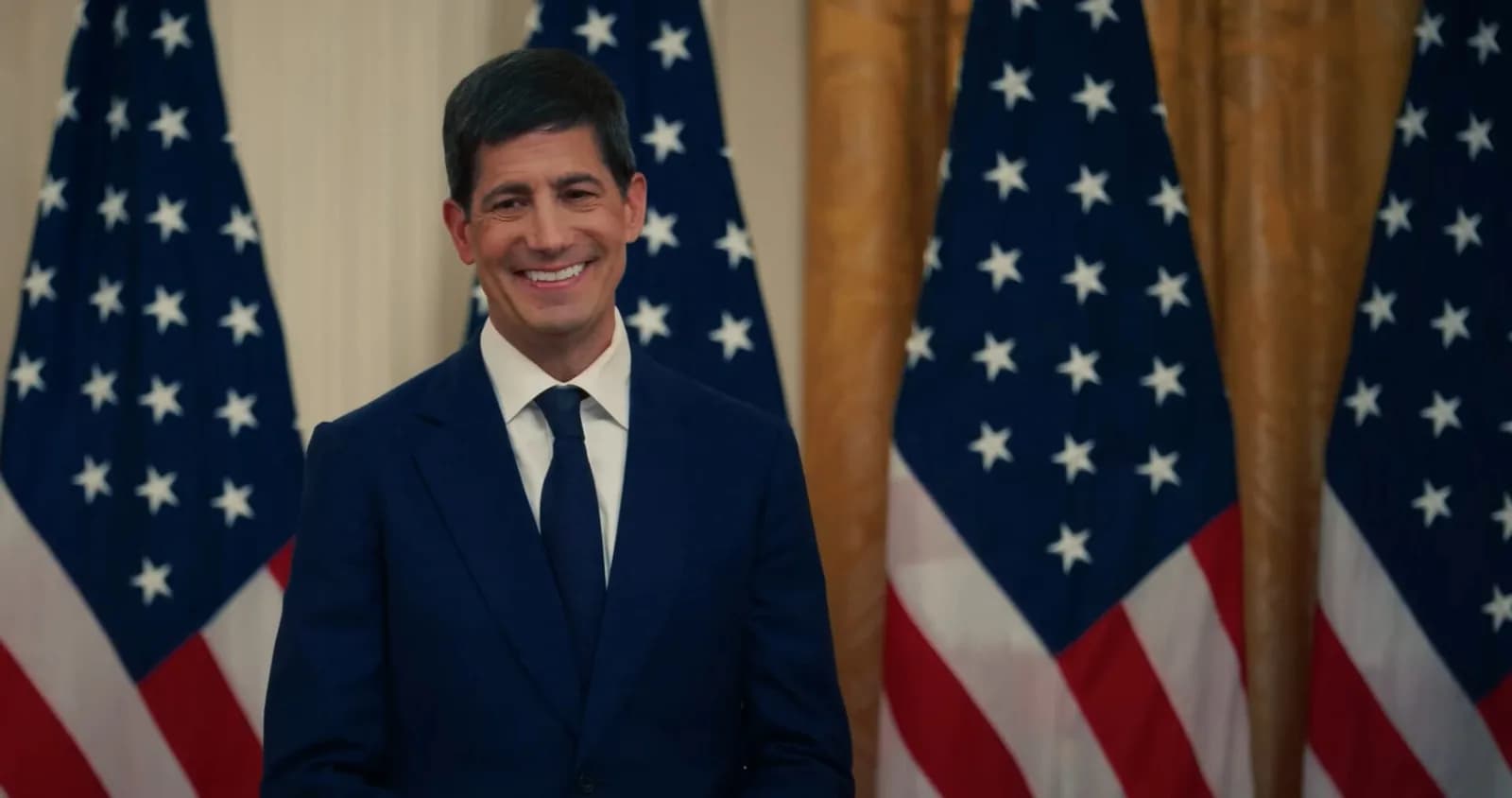
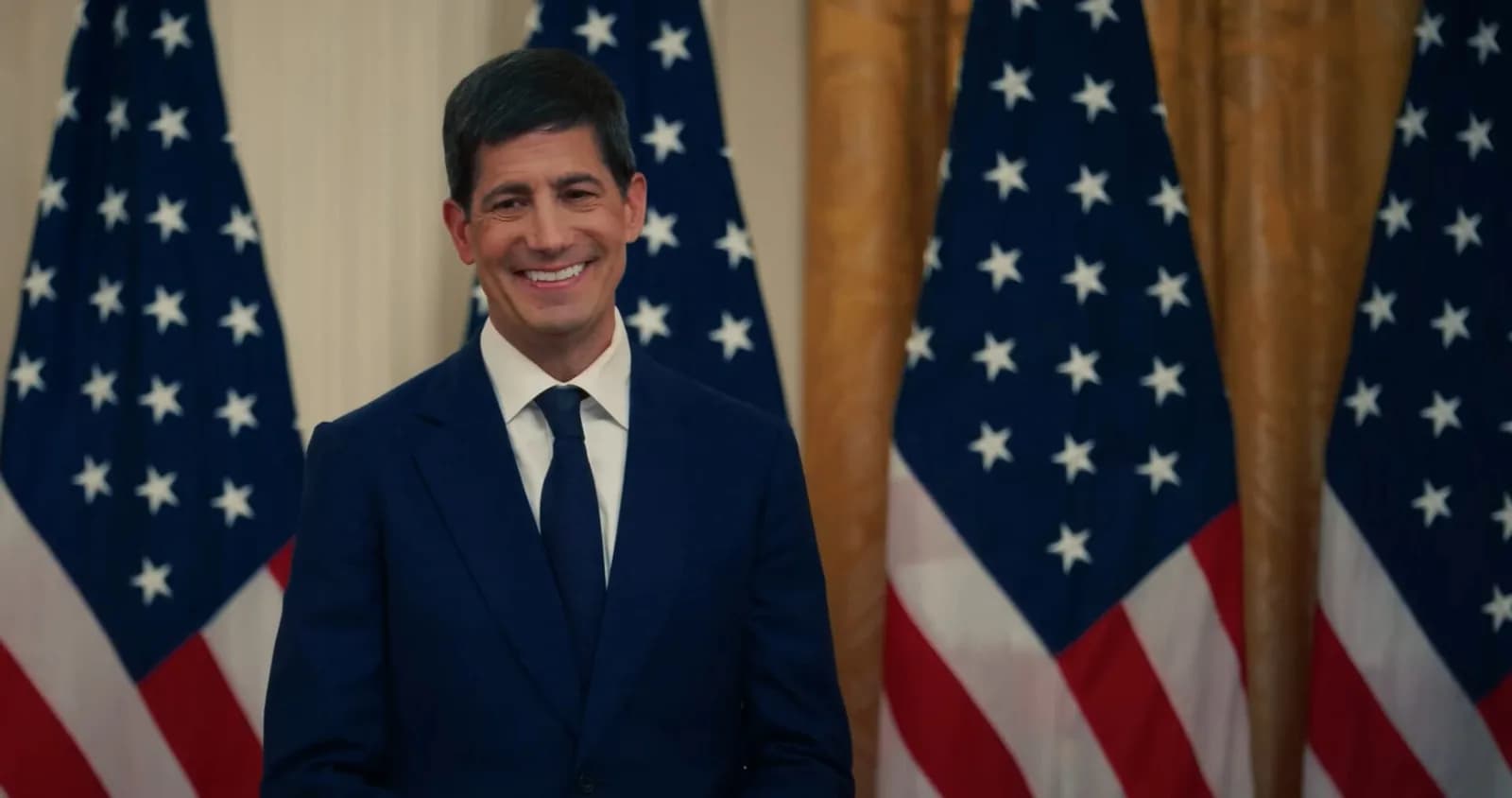
Kevin Warsh has already led the Federal Reserve through one rate increase since taking the chair's office, and a further move may be approaching. At its October gathering, the Federal Open Market Committee chose to keep the federal funds rate where it was. Even so, CME Group's FedWatch tool assigns an 81.2% probability to a hike at the committee's December 2026 meeting, according to the reporting.[S1]
The odds have drawn attention across financial outlets. Several independent reports put the December probability near 77% following a surprisingly strong October employment report, while other coverage described bets approaching or reaching 80% as investors awaited the October consumer price index, due Tuesday, along with producer price data and CoreWeave earnings. One report noted that 165,000 jobs were added in October.[S4][S5][S6][S7][S8]
What history says about stocks and sectors
Selling everything at the first sign of tightening has generally been a costly instinct. Goldman Sachs research cited in the reporting found that the S&P 500 gained roughly 9% on average in the year after a new hiking cycle began. The index did tend to slip about 2% on average during the first three months following the initial increase, but wholesale exits early in a cycle would usually have left investors worse off.[S1]
Picking the right corners of the market has mattered more. During the Fed's previous major tightening stretch, which ran from March 2022 to July 2023, energy names stood out. The State Street Energy Select SPDR ETF, holding shares in 21 energy leaders, climbed about 18% over that span, while ExxonMobil and pipeline operator Energy Transfer LP delivered even larger gains, the report said.[S1]
Bonds, projections and the road to December
For bondholders, shortening duration is presented as an obvious step. Rising rates push bond prices down, and longer-dated debt absorbs the heaviest losses. Short-term U.S. Treasury bonds, described as essentially risk-free, currently offer yields above 4%, giving investors a way to earn a solid return while limiting exposure to price declines.[S1]
Beyond the December vote itself, the reporting urges investors to study the updated dot-plot projection, which maps where individual FOMC participants expect short-term rates to head. The pace of expected increases deserves particular scrutiny: Goldman Sachs research found that especially rapid hikes have historically coincided with weaker stock market performance.[S1]