What happened on field 6
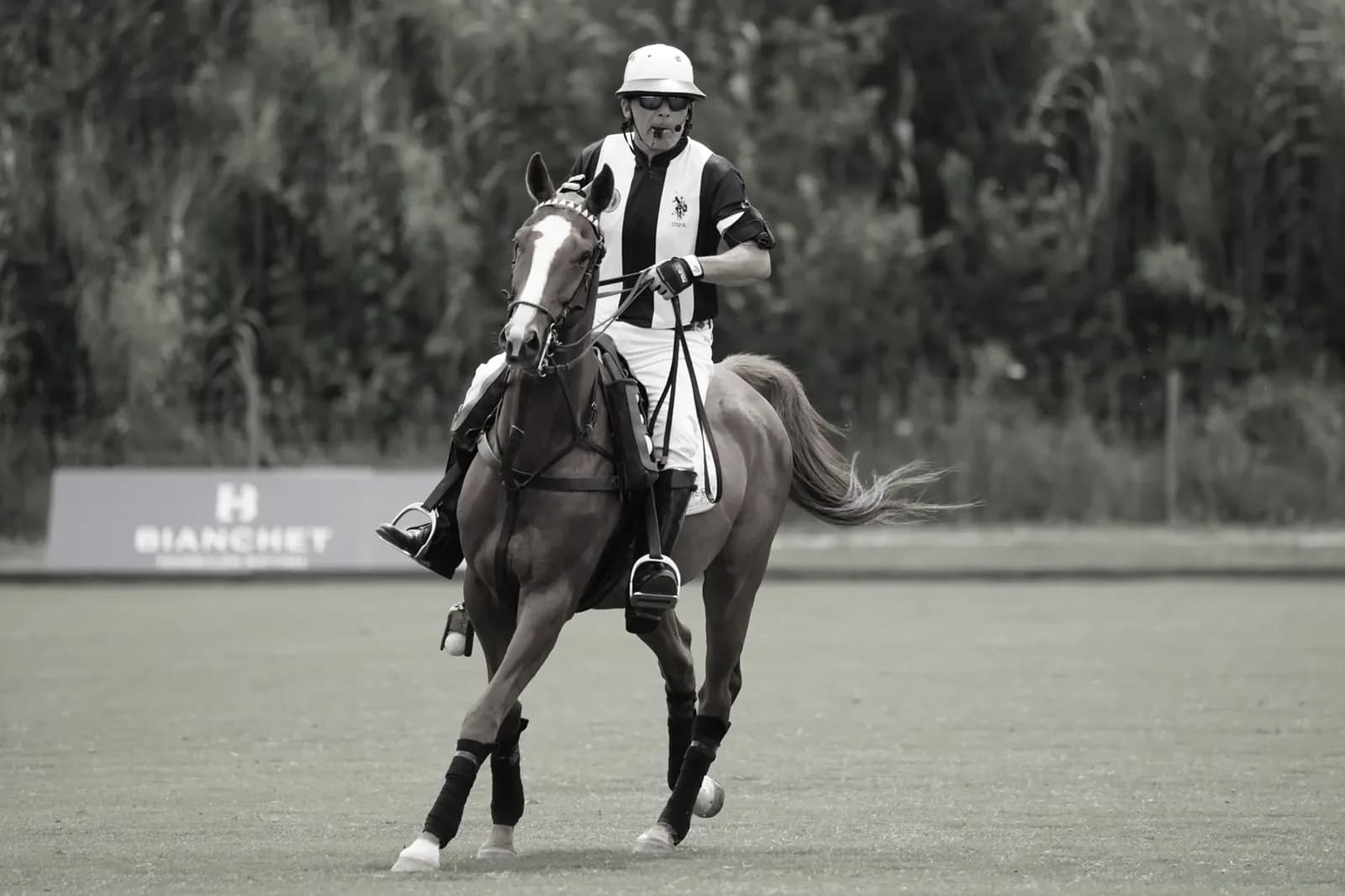
Four polo mares died after lightning struck them during a practice session on field 6 at the Jockey Club de San Isidro, in the Buenos Aires metropolitan area. The strike came during a storm that also brought heavy rain to the region. No people were killed. A groom who was in the area was thrown roughly three metres by the force of the discharge and was taken to a nearby clinic as a precaution.[S1][S2][S3][S4][S5][S6][S7]
Two more mares were also hit and went down, but they managed to get back on their feet. The twenty animals present were under the supervision of that one groom. The strike tore the red bandages wrapped around the horses' lower legs at ankle height and left visible burn marks in their hair, details that drew particular attention once the storm had passed.[S1][S2][S3][S5][S6]
The horses were tied to a post awaiting their turn on field 6, which sits in the middle of the San Isidro racecourse track. According to the club, the weather turned so abruptly that no alerts for electrical activity had even been received. San Isidro municipal authorities said Civil Defence did not need to intervene, and police said they took no part, with the owners of the affected horses handling everything.[S5]
The club's account and the forecast
Patricio Amespil, the club's polo captain, said nothing in the forecast pointed to a storm and that practice was proceeding normally until the sky clouded over and the bolt came down. He said the grooms were shaken but had been checked and were fine. He also said he preferred to read the outcome as a miracle rather than a tragedy, since no person died, and noted that he had brought three Medalla Milagrosa images to be placed on the fields because the season had been so wet and risky.[S1][S2]
Understand this article deeper
Amespil described the Jockey Club as an amateur institution whose practice horses arrive for the season and are normally kept in covered stalls. He added that in the countryside nature is stronger and little can be done about events nobody can foresee. People close to the case said the affected mares carried only relative value and were not among the most expensive animals, and polo regulars said they could not recall a comparable incident.[S1][S2][S3][S6]
Veterinary outlook for the survivors
An equine veterinarian consulted about the case said such strikes are not unheard of in rural settings. He explained that lightning carries intense energy into the body and out through the legs where they touch the ground, which is why the bandages burst and the hair in that area appeared scorched.[S1][S5]
The specialist said the horses that survived the discharge remain under observation. He warned that the strike can cause serious injuries, including ruptured eardrums, and leave after-effects that compromise an animal's sporting capacity, making a return to polo difficult. The affected horses were to be assessed in the following hours, with the expectation that they would no longer be usable for play.[S1][S5]