The verdict and the sentences
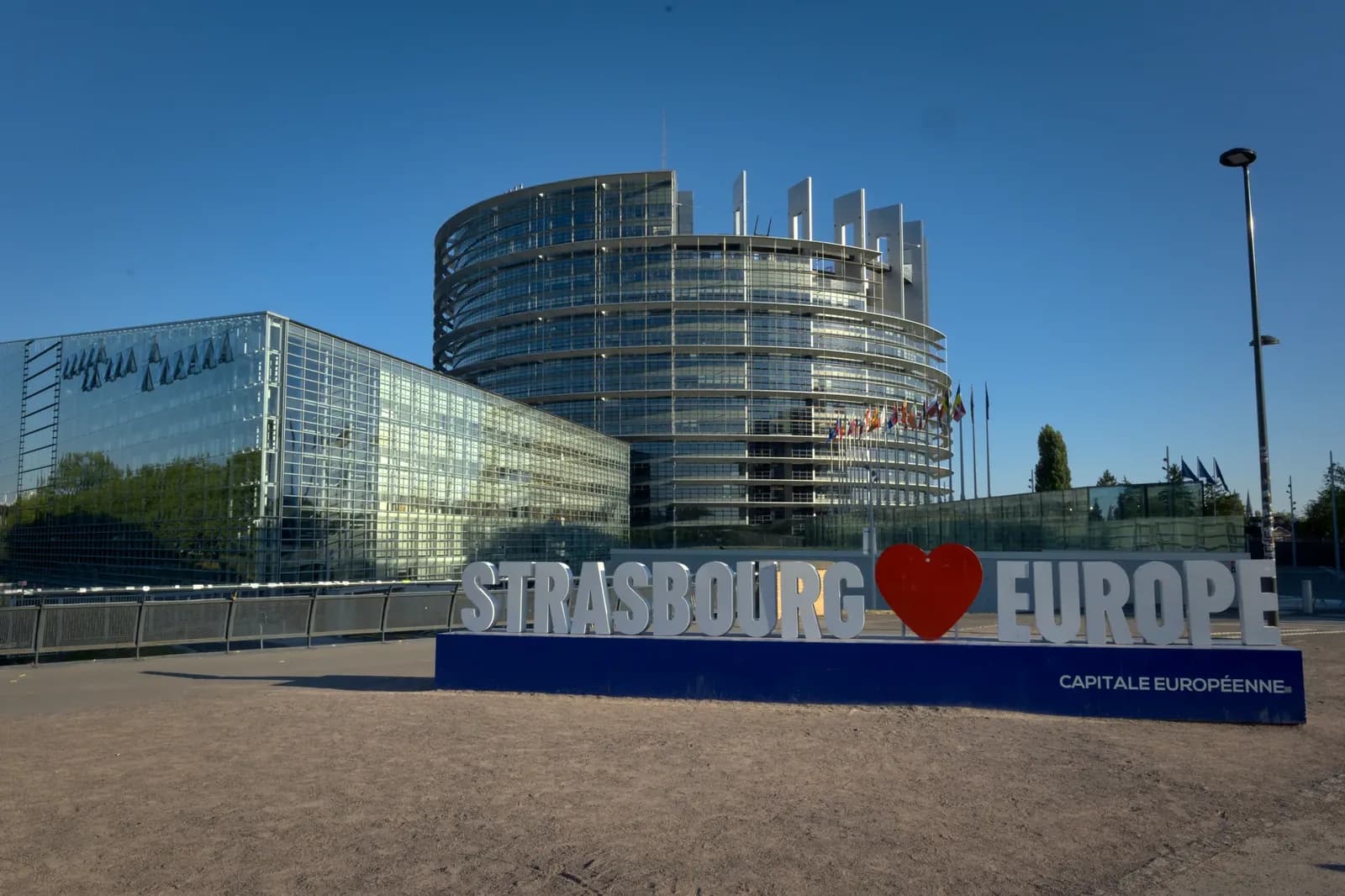
The Kosovo Specialist Chambers, a court supported by the European Union and based in The Hague, convicted former Kosovo president Hashim Thaci of war crimes on Wednesday. The 58-year-old was sentenced to 25 years in prison for arbitrary detention, cruel treatment, torture and murder during the 1998-1999 Kosovo conflict, when he was a senior commander of the Kosovo Liberation Army (KLA). Presiding judge Charles Smith read the verdict as Thaci, wearing a suit and tie, remained silent. The court also convicted three other former KLA leaders: Kadri Veseli received 18 years, Rexhep Selimi 13 years, and Jakup Krasniqi 25 years. All four had denied the charges.[S1][S2]
Prosecutors had sought a maximum sentence of 45 years for Thaci and the other defendants. The court found Thaci guilty of the murder of 96 political opponents and suspected collaborators of Serbian security forces, carried out by KLA members. Judge Smith said Thaci used his position, leadership, authority and prestige to encourage the crimes, and that he neither investigated nor punished abuses committed by KLA fighters. The four men were acquitted of six counts of crimes against humanity. Thaci also faces a separate trial on witness intimidation charges set to begin later this month.[S1][S2]
A hero at home, a defendant in The Hague
In Kosovo, Thaci and his co-defendants are widely regarded as national heroes for fighting Serbian forces during the 1998-1999 war. Thousands of people demonstrated in Pristina over the weekend in support of the four men, filling a central square in the capital, many carrying red and black Albanian flags. Portraits of the four former KLA fighters were pasted across the city alongside a large digital clock counting down to Wednesday's verdicts. One banner read: In the name of the people, declare them innocent. Several dozen supporters gathered outside the court in The Hague waving KLA flags.[S1][S2]
Thaci was a student who returned from what he described as political exile in Switzerland to join Kosovo's struggle for independence. He earned the nickname the Serpent for his ability to evade Serbian forces during the conflict. Western leaders welcomed him and invited him to the 1999 peace talks in France in his role as political director of the KLA, seeing him as a leader who could guide the country toward independence. He rose to political power after the war and served as president from 2016 to 2020, resigning to defend himself before the court in The Hague.[S1][S2]
The court, the war and the region
The court's staff is largely international due to fears for witness safety and protection. In 2022, the tribunal convicted two leaders of a Kosovo war veterans association of intimidating witnesses by disseminating leaked confidential documents. Kosovo opposed the creation of the court and approved a constitutional amendment to allow it only under pressure from the United States and the European Union. Because it deals with KLA veterans but not Serbian forces, the court has generated resentment in Kosovo, where the former fighters are considered war heroes.[S1][S2]
Most of the 13,000 people who died in the Kosovo war were ethnic Albanians. A 78-day NATO air bombing campaign against Serbian forces ended the fighting, and nearly 1 million ethnic Albanian Kosovars were expelled from their homes. Kosovo declared independence from Serbia in 2008, a move Belgrade refuses to recognize. Ties between Kosovo and Serbia remain tense despite years of EU-mediated, US-backed negotiations. During the trial, Thaci maintained his innocence, arguing that although he commanded the KLA, he lacked decision-making power to commit or prevent the crimes he was charged with. His defense argued there was a lack of evidence linking him to the crimes and that the accusation sought to rewrite history.[S1][S2]