A clear line between stabilisation and discipline
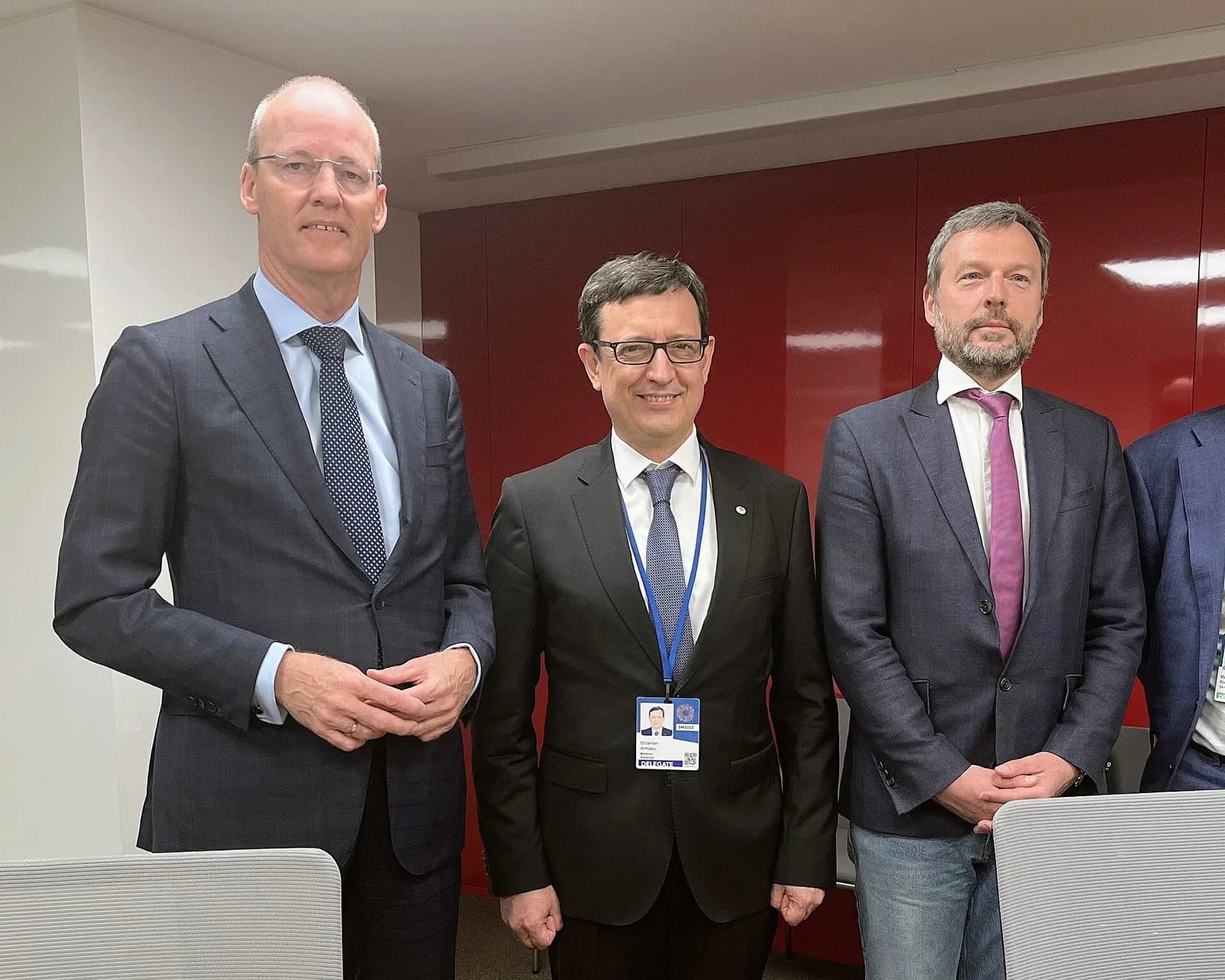
Klaas Knot, the former governor of the Dutch central bank, has argued that the European Central Bank can intervene in government bond markets to restore order when trading becomes disorderly, yet such action cannot take the place of responsible spending and debt management. He is making that case while campaigning to become the ECB's next president, and the message is aimed at Paris as much as at investors.[S1][S2][S3][S4]
The distinction matters because anxiety about France's public finances has brought back talk of another euro zone debt crisis, turning attention to how far the central bank would go to calm markets. By separating short-term stabilisation from long-term fiscal discipline, Knot indicated that any ECB backstop would arrive with expectations attached for the governments it helps.[S1]
A leadership race with market consequences
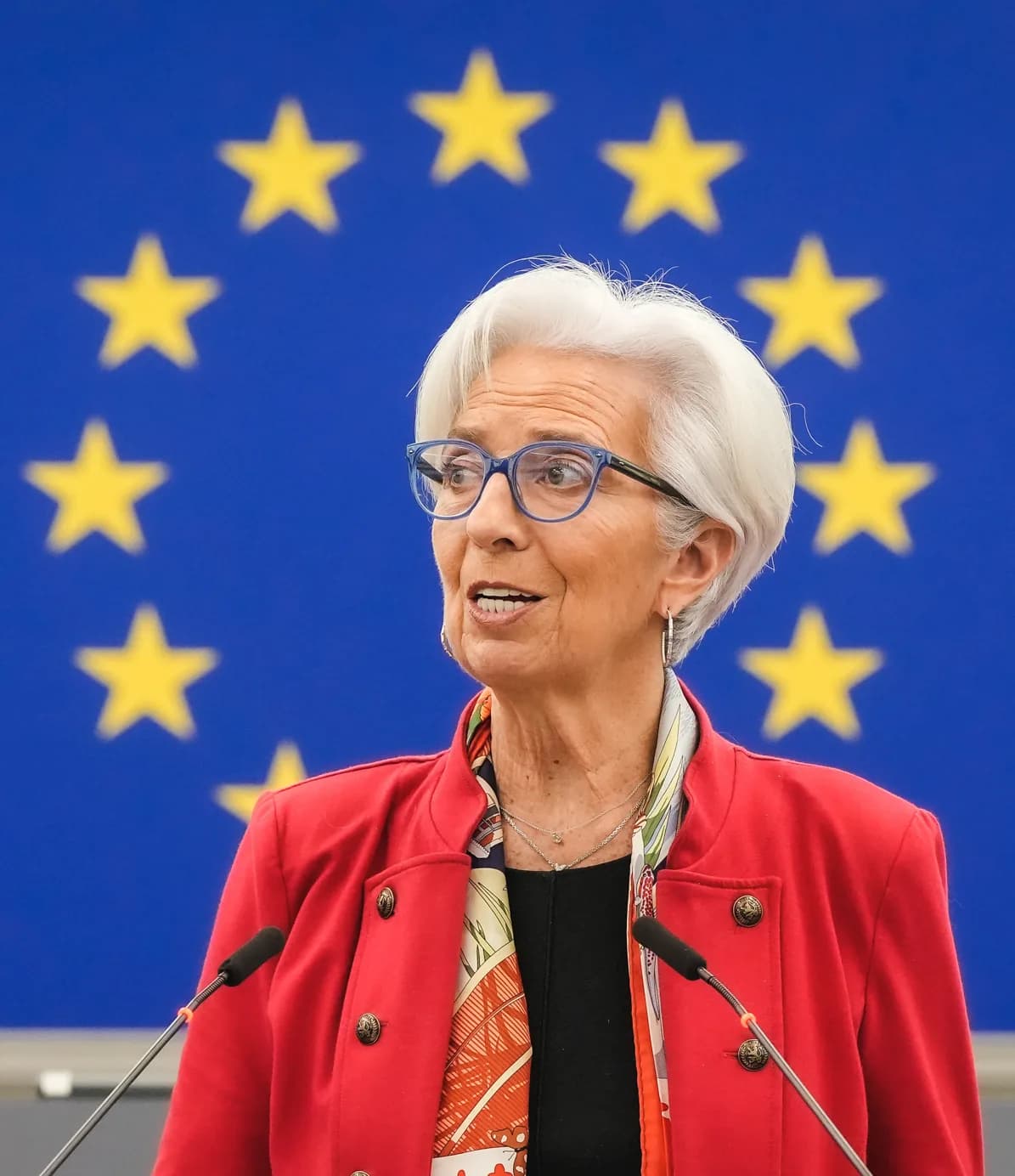
Knot is running against Pablo Hernandez de Cos, the former head of the Spanish central bank, to replace Christine Lagarde, who announced last month that she would leave on February 7, about nine months before her term was due to end. The winner will face a structural difficulty: the 21 governments of the euro zone each set their own fiscal policy, which complicates coordination with a single monetary stance.[S1]
For euro-area government debt, and above all for French paper priced against German Bunds, his stance on budget discipline is the decisive element. Traders would take his remarks to mean any ECB help comes with conditions instead of being unlimited. Should a president share that outlook, investors might hesitate to count on the central bank fully shielding French finances if they weaken, which could push spreads wider in turbulent stretches.[S1]
Rates, energy and an upbeat growth view
Knot's assessment of the economy was mostly upbeat. He pointed to steady household and business demand, a robust jobs picture and solid private-sector balance sheets, and he added that greater defence outlays and American spending on artificial intelligence represent further drivers of activity from which Europe should gain.[S1]
On inflation he counselled prudence. He acknowledged that the Iran war has raised energy prices and added to near-term price pressure, and he identified the central unknown as whether costlier energy passes through into wages and broader consumer prices. With inflation expectations broadly stable and scant evidence so far of widespread second-round effects, he favoured a measured course in which policymakers remain flexible and let incoming data shape rate decisions.[S1]
Knot added that his views on monetary policy have evolved since the earlier debt crisis, when stubbornly low inflation divided northern and southern policymakers. That evolution may influence how governments in the south regard his candidacy. The next president will have to weigh price stability against the danger of financial instability while geopolitical tensions and heavy government borrowing cloud the euro zone outlook.[S1]