The Outburst After the Curtain Call
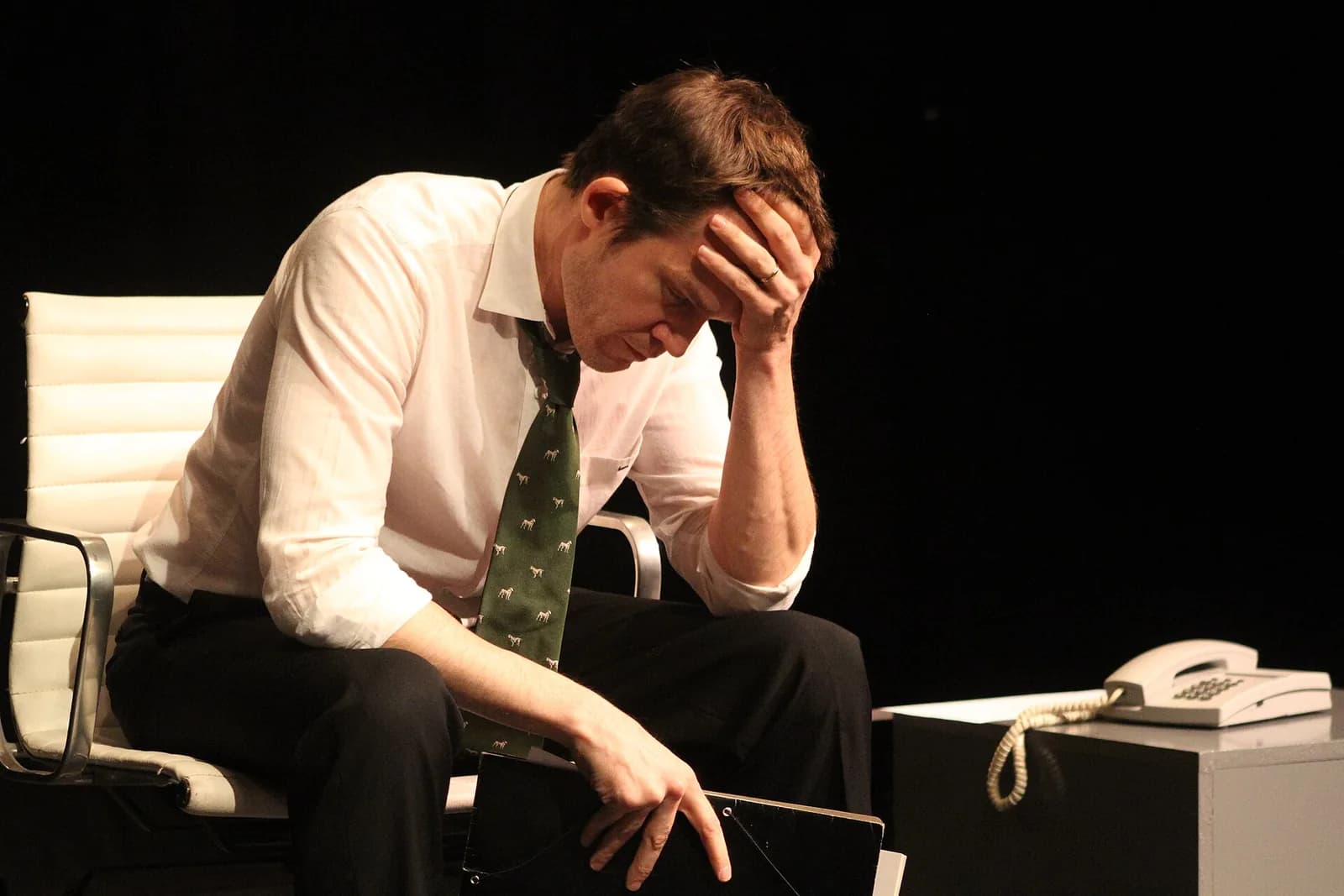
What should have been a routine end to a theater performance by Juan Gil Navarro turned into an unexpected moment for spectators. The actor took the microphone and voiced his anger over conduct that, as he explained, recurs frequently during stage shows: the use of mobile phones in the auditorium. Once the play had finished, he chose to address those present directly to express his discomfort with the interruptions and distractions that occurred during the performance.[S1]
Gil Navarro began by thanking the audience for attending the theater, whether for this play or any other, but then pointed to what he described as a deeply annoying and repeated issue: mobile phones. He stressed that paying for a ticket does not give anyone the right to do as they please in a theater, much less to show disrespect to those who are paying attention. He appeared visibly upset by what had happened.[S1][S2]
The actor then made a specific request to prevent such situations from happening again at future performances. He asked the audience not only to keep their phones switched off but also to refrain from taking photos, especially with flash. After his words, part of the spectators responded with applause, a gesture that backed his call for greater respect inside theaters.[S1][S2]
Social Media Reactions and the Play's Context
The moment quickly spread beyond the room and began circulating on social media, where the actor's remarks provoked differing opinions. While some users supported his complaint about phone use during performances, others questioned the manner in which he chose to address those present. The episode thus reignited discussion about audience behavior and mobile phone use during a play.[S1]
The Argentine version of Misery, based on Stephen King's novel, is staged at the Metropolitan theater on Corrientes Avenue, directed by Manuel González Gil. Juan Gil Navarro plays the writer Paul Sheldon, and Julia Calvo brings to life the fearsome Annie Wilkes, the role that earned Kathy Bates an Oscar in the film. The production returned to the Buenos Aires billboard on June 18 and marked a reunion with the story on the same stage and with the same director as in 1999, when the play was performed by Alicia Bruzzo and Rodolfo Bebán. According to Gil Navarro, who had previously been part of the cast of Druk, he prefers to think of it more as a suspense thriller with disturbing psychological elements than as a horror play. After the premiere, the audience responded with a standing ovation.[S2]