A decision sealed at San José 1111
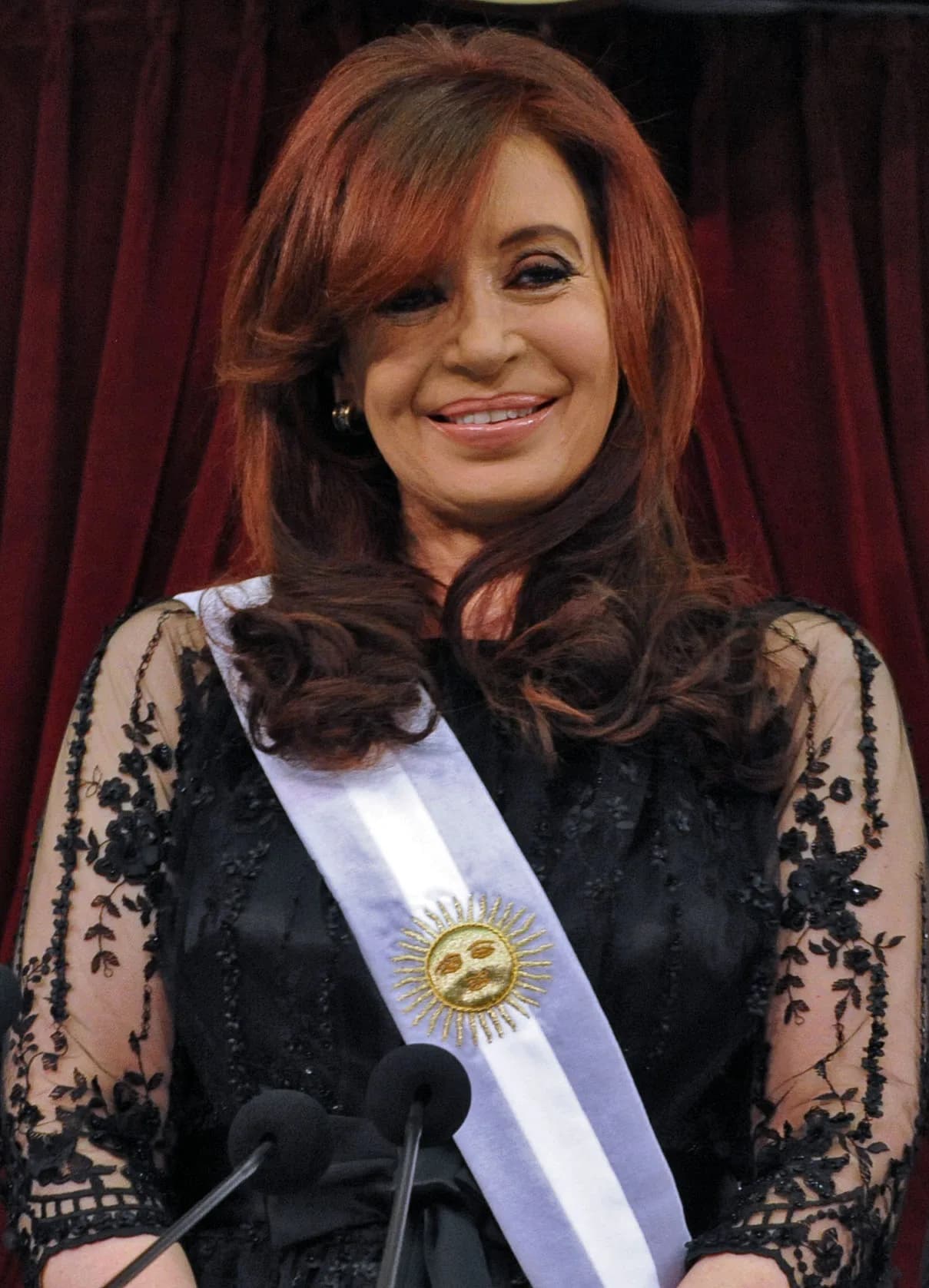
Cristina Kirchner has thrown her support behind national deputy Guillermo Michel to take the seat reserved for the Justicialist Party bloc in the Council of the Judiciary. The decision was finalised after the Entre Ríos legislator visited the former president at the San José 1111 address, according to the outlets that reported the move.[S1][S2][S3]
The choice is intended to shore up the party's position inside the body that picks, supervises and rules on judges, and that also handles the judiciary's financial resources. Michel, a lawyer and public accountant, is described as a figure from the federal Peronist current that has travelled on tracks separate from Kirchnerism, and as someone with working relationships in the judicial world.[S1][S2]
Reports point to fluid contacts between Michel and Juan Manuel Olmos, the current head of the National Audit Office, a strongman of the Buenos Aires City PJ with good standing in the courts. Michel previously served in the AFIP during Kirchner's second presidency and later led the General Directorate of Customs, and his profile is read as a pragmatic opening beyond the party's hardest core.[S1][S3]
How the congressional seats are divided
This year the Congress must send eight representatives to the Council, four from the Chamber of Deputies and four from the Senate, alongside the lawyers, judges and academics already chosen. In the lower house the first minority takes two seats and the next blocs share the remaining two: La Libertad Avanza gets two, the PJ one, and the last is still contested between Provincias Unidas and the PRO.[S1][S2][S3]
The Peronist seat in the Chamber of Deputies will go to Michel, the reports say. The arrangement reflects a strategy by the former president of widening her ties to the judicial sphere through a man who orbits outside Kirchnerism, in contrast with the more orthodox profiles that had held the party's Council places, such as Vanesa Siley and Rodolfo Tailhade.[S1][S3]
A Senate deal strengthens the party's hand
The shift toward a non-Camporist figure formed part of a broader strategy that also included a Senate agreement with La Rioja governor Ricardo Quintela. That deal brought senator Fernando Rejal into the Peronist bloc, letting the PJ consolidate as first minority in the upper house and claim two of the four seats at stake there.[S1][S2][S3]
With that correlation of forces, the party is in a position to nominate Eduardo Wado De Pedro, who returns to the Council after serving in 2014, and Florencia López. Together with Michel's entry through the Chamber of Deputies, the space aims to guarantee a coordinated presence in the judicial arena across both legislative chambers.[S1][S2]
The Council renews its members
The congressional designations come as the Council of the Judiciary renews its members this year through elections across its different estates. Days earlier five new members took their oath at the Palace of Justice in a ceremony led by Supreme Court and Council president Horacio Rosatti, alongside vice-president Carlos Rosenkrantz and minister Ricardo Lorenzetti.[S1]
Juan Manuel Culotta took office as the judges' representative, while Alberto Biglieri, Claudia Ester Sarmiento, Amalia Itatí Demarchi Arballo and Fernando Pablo Levene were sworn in for the lawyers' estate. The executive branch is also entitled to appoint one member, and the academic sphere must still choose its own representative.[S1]