From a parliamentary answer to a year-long dispute
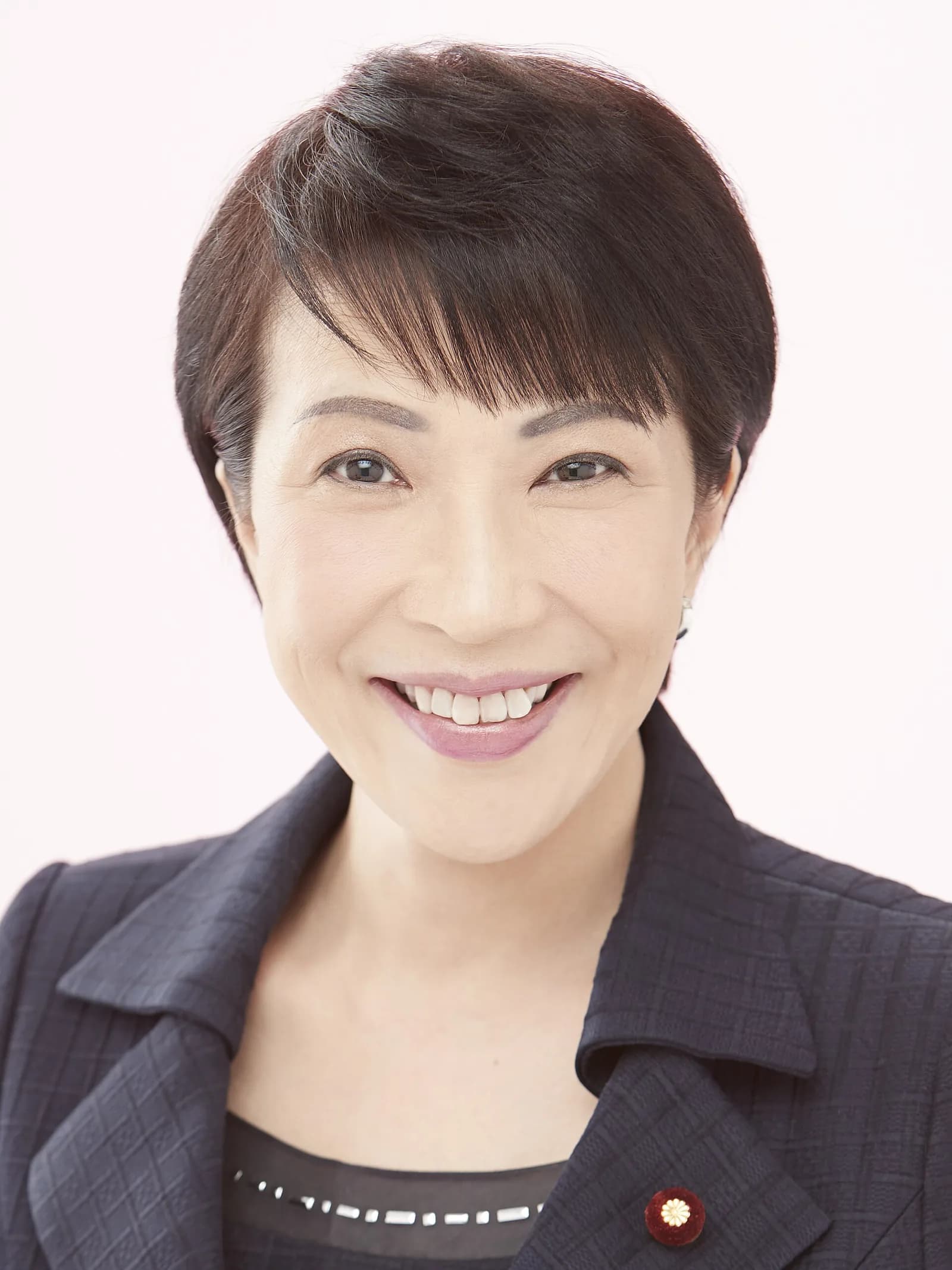
The rupture between Tokyo and Beijing traces back to a statement Prime Minister Sanae Takaichi made in parliament on November 7, 2025. She said that Chinese action against Taiwan which also endangered Japan's survival could justify a Japanese military response. Her position departed from the caution of earlier Japanese leaders, who had generally avoided discussing Taiwan contingencies in public.[S1][S2]
The exchange followed a warmer moment. At the APEC summit in South Korea on October 31, 2025, Chinese President Xi Jinping and Takaichi agreed to work toward stable relations. Beijing then lodged a protest over her meeting with Taiwan's representative, and the dispute escalated after her November remarks.[S1]
Pressure moves from diplomacy to trade
On November 13, China demanded that Takaichi withdraw her comments and warned that Japan would otherwise face consequences. Beijing had already argued that her words conflicted with the spirit of a 1972 accord under which Japan recognized Beijing, not Taipei, as China's sole legal government. A day later, China advised its citizens against traveling to Japan and warned of a crushing military defeat should Tokyo intervene over Taiwan.[S1]
Diplomats from the two countries met in Beijing on November 18 without resolving the impasse. China again called for a retraction, while Japan maintained that Takaichi's remarks reflected long-standing policy. On November 19, Beijing said Japan's seafood import procedures were inadequate, signaling a return to a blanket ban only months after easing earlier restrictions.[S1]
Minerals, radar and a year of escalation
Tensions then turned military. Japan said on December 6 that Chinese fighter aircraft had locked targeting radar on Japanese military planes near Okinawa in two separate incidents, a claim Beijing denied. On January 6, 2026, China stopped shipments of dual-use items to Japanese military end users and for uses it described as bolstering Japan's armed forces, drawing a protest from Tokyo.[S1]
On January 26, Takaichi tried to clarify her stance, stating that her earlier comments did not imply Japan would automatically join a conflict if China and the United States came to blows over Taiwan. She cautioned that removing U.S. forces could undermine the alliance, yet she did not take back her original remarks. Beijing then banned dual-use exports on February 24 to 20 Japanese entities, among them Mitsubishi Heavy Industries units, and put 20 more under tighter monitoring.[S1]
By mid-2026, Japanese companies were increasingly reporting that shortages of critical minerals were hurting business. Chinese customs figures showed no gallium, dysprosium, terbium or yttrium shipped to Japan in June, extending months of disruption. Under a September extension of a trade truce with Washington, Beijing kept its export controls, including rare-earth curbs, paused until January 10, 2027, but separate dual-use restrictions on Japan stayed in place.[S1]
A handshake in Shenzhen, but no breakthrough
Takaichi and Xi shook hands on November 19 at the APEC summit in Shenzhen, marking their first meeting since her Taiwan comments a year before. The welcome she received was subdued, less warm than the treatment extended to other leaders, and the pair did not hold bilateral discussions.[S1]