Protests Erupt Over Exam Paper Leaks
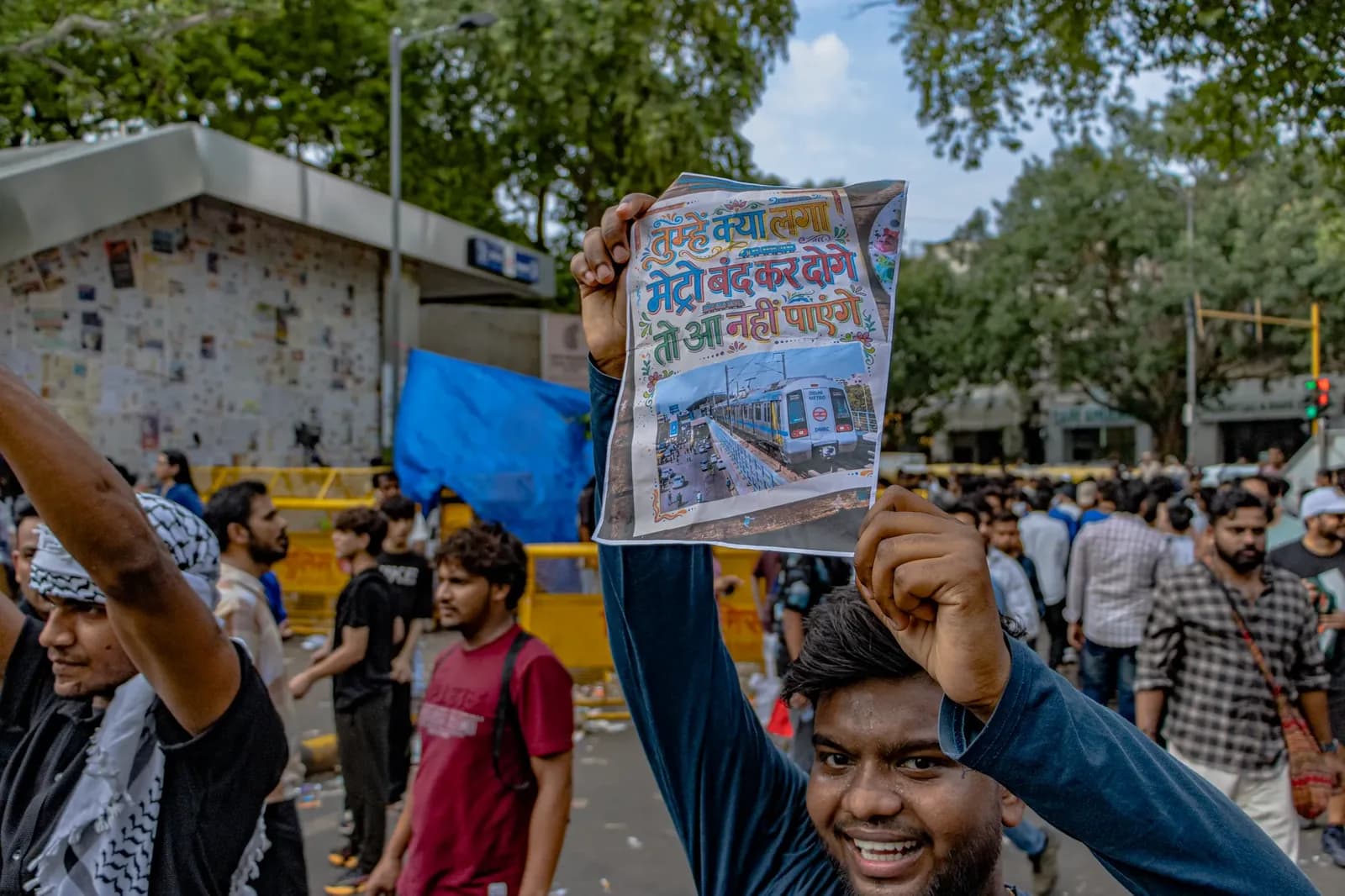
The Cockroach Janata Party (CJP), originally a satirical online campaign, has evolved into a mass protest movement after repeated exam paper leaks in India. Thousands of students are demanding the resignation of Education Minister Dharmendra Pradhan. Activist Sonam Wangchuk undertook a 26-day hunger strike in support, losing 11 kg, and ended it on Thursday but student leaders vow to continue until their demands are met. The movement began with a fear familiar to millions: if the examinations that determine their future cannot be trusted, what can?[S1][S2][S3]
Unlike many big protests against Prime Minister Narendra Modi's government over the past decade, this one is not about ideology or policy but about administrative failure. The state's inability to conduct exams fairly and prevent paper leaks makes it a distinct political challenge for the ruling BJP. Analysts say this movement cuts across caste, class, and gender, representing aspirational young Indians and their parents who see exams as a path to upward mobility.[S1][S2]
Police Use Tear Gas on Protesters Marching to Parliament
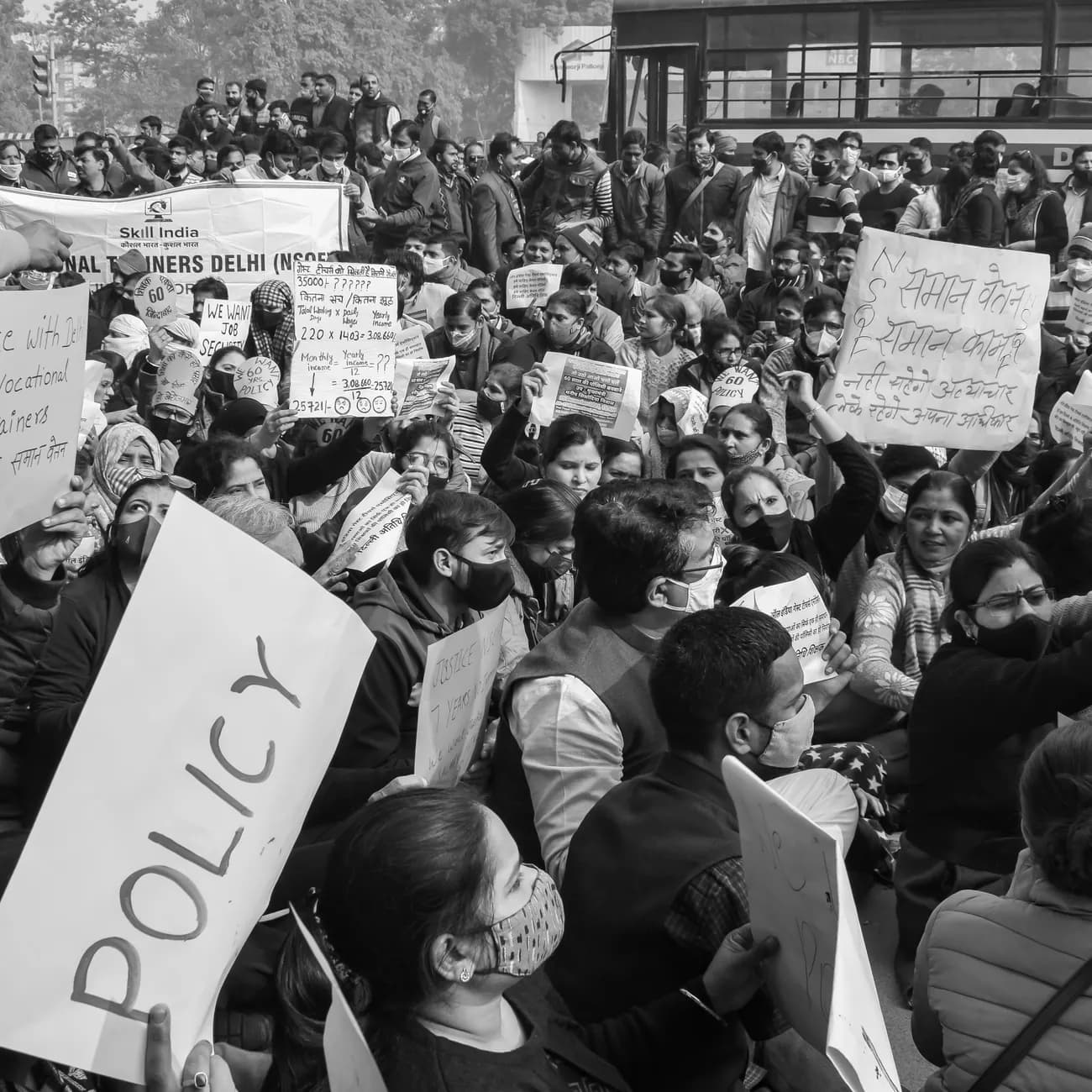
On Monday, tens of thousands of young men and women attempted to march on India's Parliament. Police used tear gas and baton charges to disperse them. Telecom companies temporarily suspended internet services in some parts of New Delhi on government orders. Delhi Police denied using violence, but local TV and social media showed batons and tear gas. Protest leaders said the government reached out for talks, and a meeting was held with Health Minister Jagat Prakash Nadda.[S1][S3][S5]
The protest was the largest in recent years in the capital. Many demonstrators directed their anger at Prime Minister Modi, reflecting broader frustration with his government. Opposition lawmakers repeatedly disrupted Parliament proceedings by shouting slogans, forcing adjournments. Protests also broke out in other cities like Mumbai, Nagpur, and Pune, where students and civil society groups expressed solidarity. Police detained several protesters in central Mumbai.[S3][S4]
Modi Announces Fast-Track Courts; Opposition Joins Protests
Prime Minister Modi addressed the issue publicly on Thursday, announcing fast-track courts to ensure swift and stringent punishment for those involved in paper leaks. 'Nothing is more important than the welfare and future of our youth,' he wrote on X. However, earlier he did not directly address the protesters, instead highlighting youth achievements in space. Defence Minister Rajnath Singh accused the opposition of using students as a political tool.[S1][S3]
Maharashtra Minister Chandrashekhar Bawankule, a senior BJP leader, called the protest a 'nautanki' (drama) and alleged that the anger was manufactured. He demanded a probe into alleged stone-pelting. Meanwhile, opposition leader Rahul Gandhi led a protest outside Modi's residence and was forcibly removed by police. BJP president Nitin Nabin accused Gandhi of anarchy, saying his actions were a sign of disrespect for democratic institutions.[S4][S5]
A Movement Beyond Ideology
Analysts note that this movement is unique because it questions the state's ability to guarantee fairness in the examination system, a key route to social mobility for millions. Unlike earlier protests rooted in ideology, this one is about governance failure. The core constituency does not represent a singular interest group; grievances extend beyond exam paper leaks to broader economic dissatisfaction and lack of hope about the future.[S1][S2]
Social media has become a tinderbox, and the online surge may have crossed a tipping point. The protests have already outgrown the organization that sparked them. Whether the movement grows depends largely on how the government responds. The demonstrations are less a movement and more an expression of public anger and frustration, with the potential to grow if the government does not address the underlying issues.[S1][S2]