A tribunal honored while under sanctions
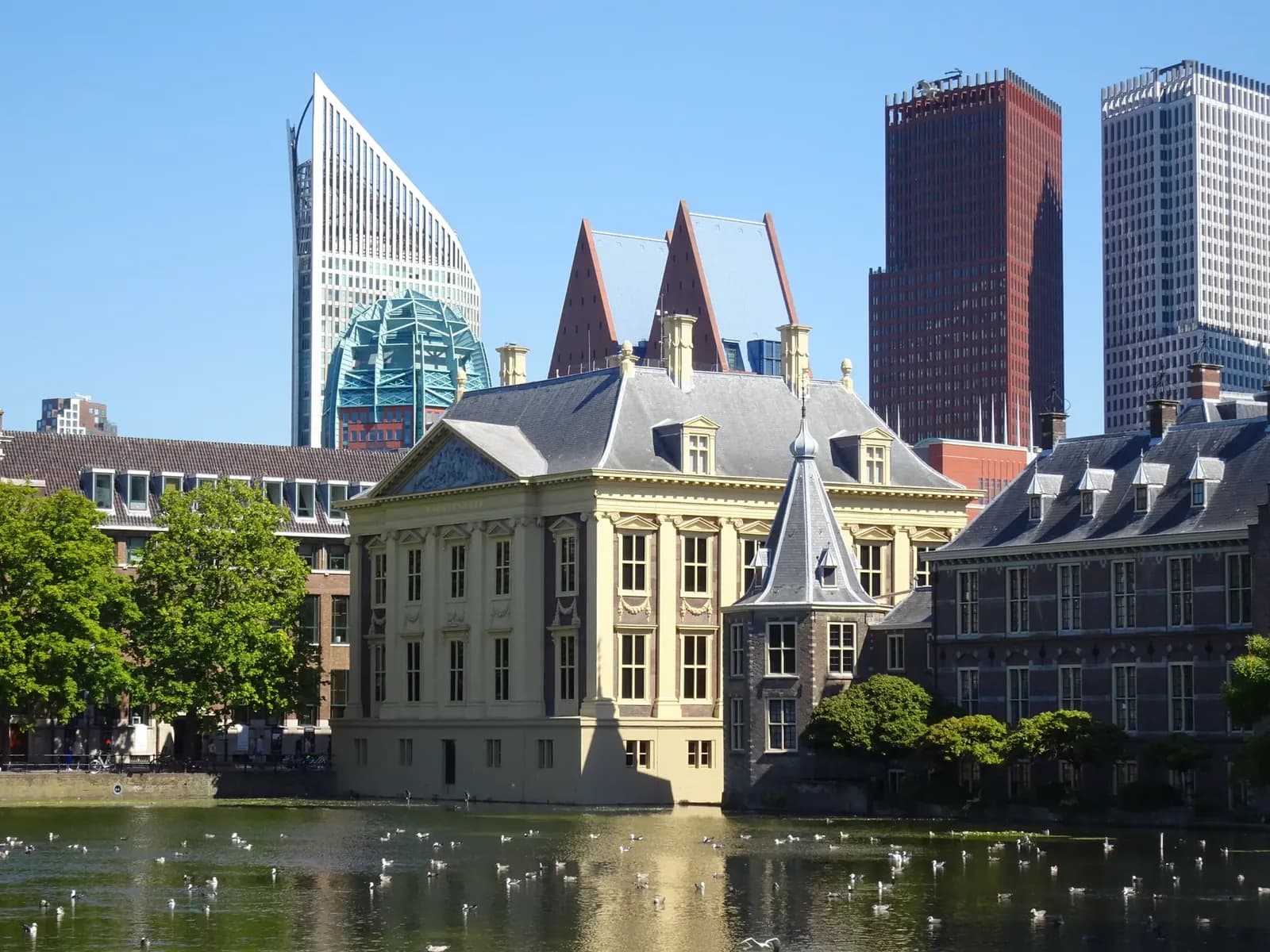
The International Criminal Court has been named the recipient of the European Union's 2026 Sakharov Prize, the bloc's foremost award for human rights work. The honor lands as the Hague-based tribunal faces a campaign by US President Donald Trump's administration, which has threatened to take the court apart piece by piece. It is the second international distinction the court has received this month.[S1][S2][S3][S4][S5][S6][S7][S8]
The timing is pointed: the award was announced less than two weeks after Trump unveiled sanctions against the court. Those measures came only hours after former ICC judge Navi Pillay was named a Nobel Peace Prize laureate, a decision widely interpreted as backing for the court under pressure.[S1]
What the US sanctions do
Washington's penalties bar the court from US-based financial services and technology companies and even from using US dollars. American firms and individuals with dealings with the tribunal were given six months to wind that business down. The court has drawn Trump's hostility for years, and his campaign against it intensified after judges issued arrest warrants for Israeli Prime Minister Benjamin Netanyahu and his former defense minister last year.[S1]
Akane: the prize carries special weight now
ICC President Tomoko Akane, a Japanese jurist, welcomed the award and said it arrives as the court and its staff confront challenges without precedent. She described the Sakharov Prize as especially meaningful in that context, calling it a reaffirmation of independent judicial bodies and of the people who defend international law.[S1]
Understand this article deeper
The court began operating in 2002 as a last-resort forum for prosecuting senior leaders deemed responsible for crimes that its founding treaty says shock the conscience of humanity. Its remit covers war crimes, crimes against humanity, genocide and aggression.[S1]
How the prize is decided
The Sakharov Prize, named for the late Soviet dissident Andrei Sakharov, has gone annually since 1988 to people and organizations protecting human rights and freedoms. The European Parliament's president and senior EU lawmakers pick the winner from candidates put forward by the assembly's political groups, which describes the honor as the European Union's highest tribute to human rights work.[S1]
Also on this year's shortlist were imprisoned Tanzanian opposition figure Tundu Lissu and Taraneh and Romina Rahimi, twins jailed for joining protests against the Iranian government.[S1]