New Enrichment Facility at Yongbyon
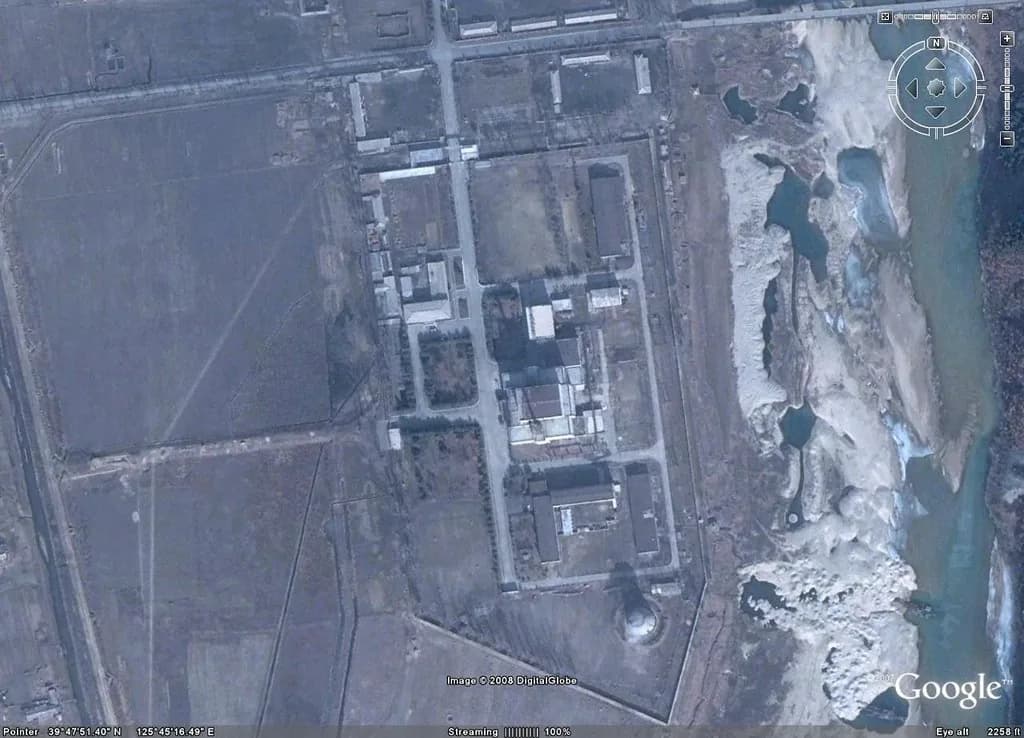
The UN nuclear watchdog has raised alarm about indications that North Korea erected a structure at its primary Yongbyon atomic site designed to produce weapons-grade uranium. A report issued this week by the International Atomic Energy Agency states the building could hold as many as 28 centrifuge cascades, the equipment normally employed to enrich uranium. Because its inspectors were removed from the country in 2009, the agency matched satellite imagery captured while the structure went up against state media photographs of leader Kim Jong-un's early June tour, concluding it is Yongbyon's second enrichment plant.[S1]
State media reported that Kim said during that tour that his country's ability to generate weapons-grade nuclear material had grown by more than twofold in five years, and he outlined sweeping future ambitions to expand the nuclear arsenal dramatically. South Korea's Chosun Daily, drawing on a 2025 study by the US-based James Martin Center for Nonproliferation Studies, reported that the 28 cascades, containing 4,592 centrifuges, could produce roughly 85 kg of highly enriched uranium annually at Yongbyon — sufficient material for three or four more warheads.[S1]
Expanded Operations at Kangson and International Reaction
The same IAEA report found that North Korea has stepped up activity at an enrichment location in Kangson, close to Pyongyang. Its conclusions rest on satellite image analysis and open-source information, among it photographs circulated by state media. IAEA director general Rafael Grossi said in a statement this week that continued enrichment at Kangson and Yongbyon, together with reported further growth in the North's output of weapons-grade material, is a matter of grave concern. He described the persistence and expansion of the nuclear programme as clear breaches of UN security council resolutions and deeply regrettable.[S1]
South Korea's defence minister, Ahn Gyu-back, told lawmakers in August that the North holds somewhere between 80 and 120 nuclear warheads, well above the 57 that Donald Trump mentioned that same month. Ahn said the South Korean estimate came from private research organisations and that the military could not verify the figures. Pyongyang has advanced quickly in ballistic missile and nuclear development in recent years while seeking recognition as a legitimate nuclear state. It has test-fired long-range missiles repeatedly since 2017, the last year it detonated a nuclear device. International experts told the UN security council in 2020 that the North had likely miniaturised warheads for its ballistic missiles.[S1]