A strategic gateway changes hands
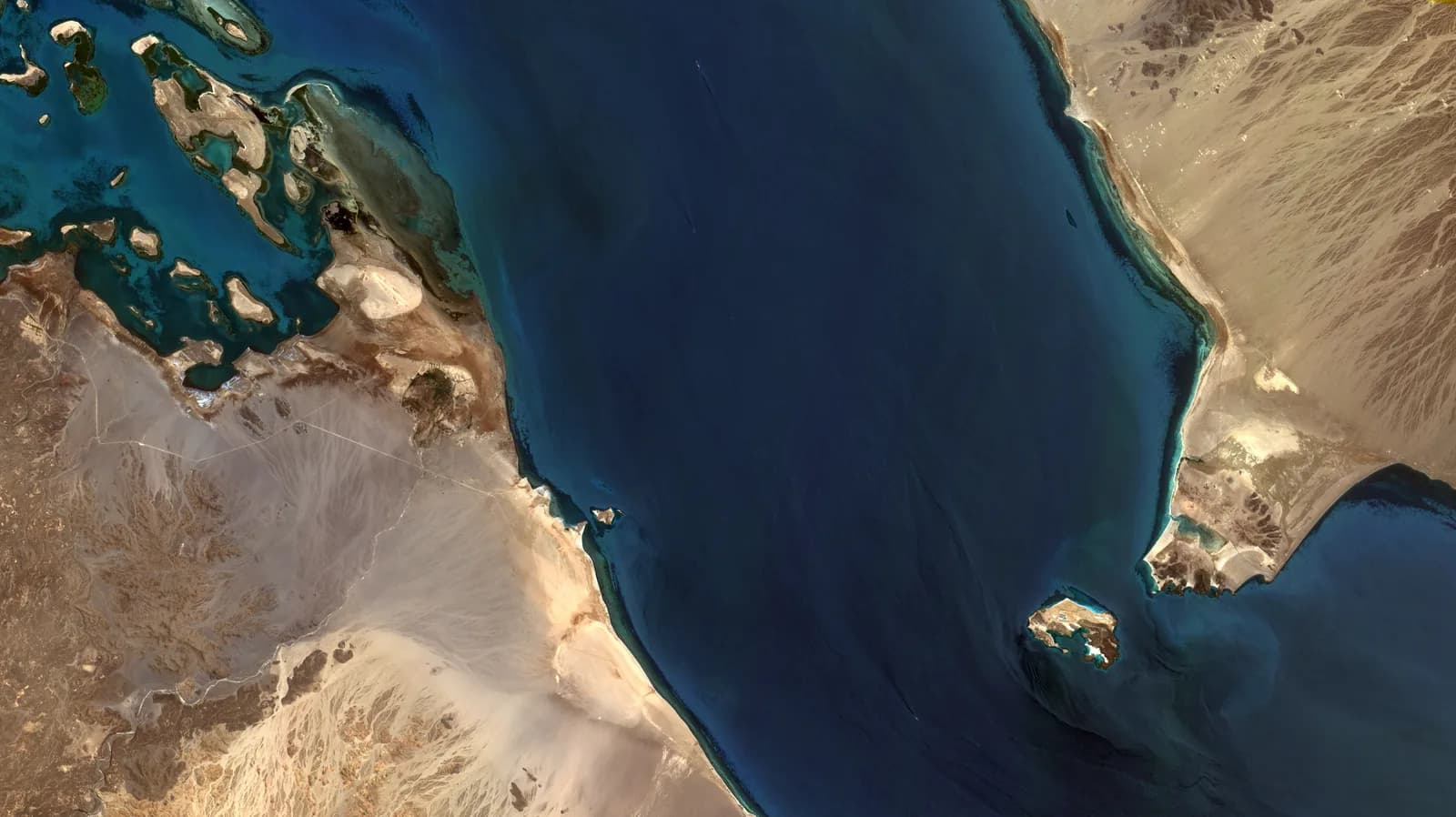
Forces loyal to Yemen's internationally recognized government, supported by Saudi Arabia, announced they are leaving positions that overlook the Bab al-Mandab Strait, a narrow passage at the southern entrance to the Red Sea. The withdrawal places the waterway under the control of the Houthi movement, which is backed by Iran. Houthi-run media outlets reported on Sunday that the group had taken over the territory, while Saudi officials have not issued any comment.[S1][S2][S3][S4][S5][S6][S8]
Yemen's military described the move as a redeployment of troops away from the shipping corridor, saying the forces were needed to protect Aden, the seat of the interim government. A statement from the Southern Armed Forces, cited by the Reuters news agency, said personnel were being pulled out of Dhubab Airport and the Bab al-Mandab area. According to that statement, the decision was intended to reinforce front lines and confront existing threats.[S1]
How the campaign unfolded
The pullback closes a campaign that lasted several weeks and was meant to secure the area around the strait. The Houthis had seized the ground in a surprise offensive in September, a move that constricted worldwide oil exports and drove thousands of people from their homes. In early October, pro-government forces claimed they had secured the strait, while the Houthis said they had captured sites including Perim Island, at the mouth of the passage, and the port city of Mokha a month earlier.[S1]
When the Houthis took the waterway, they stated that international shipping passing through it faced no threat from them, though they said they would keep targeting vessels belonging to Saudi Arabia. The seizure nonetheless helped push global oil prices sharply higher, because Saudi Arabia had come to depend on the Red Sea route for its oil exports after the conflict between the United States and Israel with Iran effectively shut the Strait of Hormuz. Saudi Arabia answered with hundreds of air strikes, and the Houthis fired hundreds of drones and missiles at Saudi cities and infrastructure.[S1]
A war that keeps widening
The United Nations has estimated that nearly 330,000 people have been displaced inside Yemen since the fighting intensified, and hundreds are reported to have been killed. The country's civil war dates to 2014, when the Houthis pushed the government out of the capital, Sanaa. The following year, a coalition of Arab states led by Saudi Arabia entered the conflict with the stated aim of restoring the government's authority.[S1]
A four-year informal ceasefire started to break down in July, when the Houthis declared a maritime embargo against Saudi Arabia and launched missile and drone strikes on Saudi airports, oil installations and tankers in the Red Sea. The group described those attacks as retaliation for a Saudi blockade of ports and airports in Houthi-held territory and for an air strike on Sanaa airport that it attributed to the kingdom.[S1]