Houthi Attack Claims
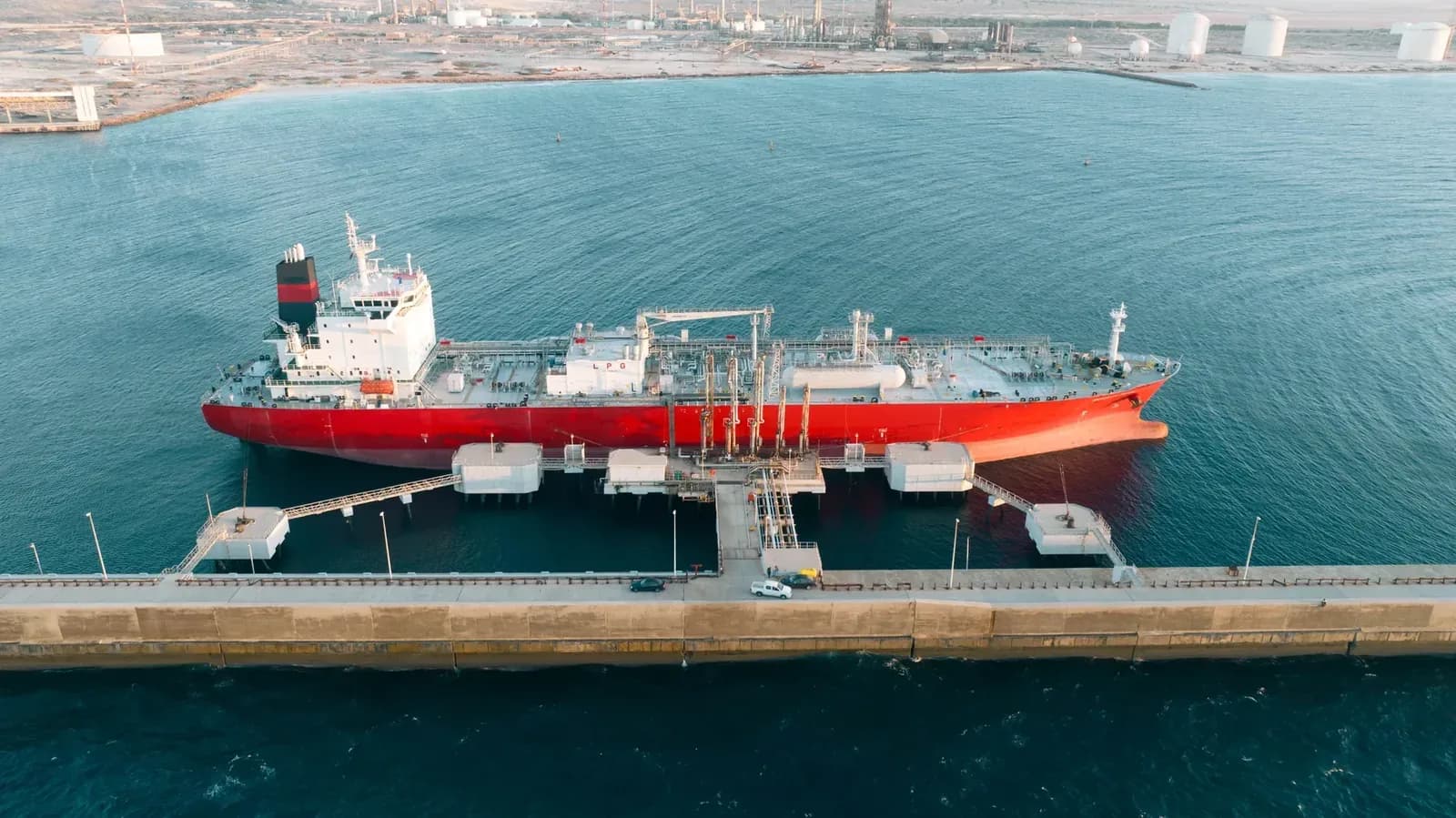
Yemen's Houthi rebels claimed on Wednesday they attacked two Saudi oil tankers, Encelia and Layla, in the Red Sea. The group said it used ballistic and cruise missiles and drones, causing fires. UKMTO reported a tanker was struck by an unknown projectile about 130 km southwest of Al Shuqaiq, Saudi Arabia, causing a fire but no casualties. Saudi authorities confirmed Encelia was hit and all crew safe.[S1][S2][S3][S4][S5][S6]
The Houthis announced a maritime embargo on Saudi Arabia on July 20, warning that ships violating the blockade would be subject to targeting. The group said the measure was a response to the Saudi-led blockade on Yemeni ports and airports, which Houthi officials described as an unjust siege lasting nearly 12 years. The attacks on Wednesday were the first since the embargo declaration. Houthi spokesman Yahya Saree stated that the embargo was based on the equation of 'an eye for an eye'.[S1][S2][S3][S4]
Houthi military spokesman Yahya Saree said the attacks used ballistic and cruise missiles and drones, and that they successfully achieved their objectives. He warned that the group would continue its naval operations and enforce a 'siege for a siege' equation. The group also claimed to have forced nearly ten ships to abandon their routes and turn back. The attacks underscore growing security concerns along the Red Sea shipping route, raising fears that disruptions already affecting the Strait of Hormuz could spread to another vital chokepoint.[S1][S3][S4][S6]
The Houthi threat has already caused several tankers to alter their routes. Shipping data showed that five tankers changed course in the Red Sea to avoid the Bab el-Mandeb Strait on Wednesday, and three tankers loaded with Saudi oil for China and India made U-turns on Tuesday. The disruptions are concentrated on the Red Sea route, which has become crucial for Saudi oil shipments since the near-total closure of the Strait of Hormuz by Iran.[S2][S3][S5]
Broader Conflict and US Strikes
The Houthi attacks coincide with the United States launching its 12th consecutive night of strikes on Iran at President Trump's direction. Trump had threatened to destroy an Iranian bridge or power plant if Iran attacked a ship in the Strait of Hormuz. Iran's joint military command warned it would target regional infrastructure if attacked, and the Revolutionary Guard said the strait was completely closed after an explosion, claiming to have stopped three oil tankers.[S1][S2][S5]
The dual threats in the Red Sea and the Strait of Hormuz have disrupted global shipping. The EU naval mission advised merchant vessels linked to Israeli, US, or Saudi interests to exercise caution. Shipping analytics firm Kpler reported that vessel traffic through both straits fell sharply on Tuesday as security conditions deteriorated.[S3][S5]
The disruptions add to the economic strain caused by Iran's near-total blockade of the Strait of Hormuz, which has already pushed up global oil prices and inflation. Peace negotiations between the US and Iran have stalled, with a ceasefire agreement signed in June declared 'over' by Trump after Iranian attacks on ships in Hormuz. Both countries had signed a Memorandum of Understanding to halt military operations and reopen the strait, but the ceasefire collapsed within three weeks.[S1][S2][S6]