A boastful arrival at the reopened embassy
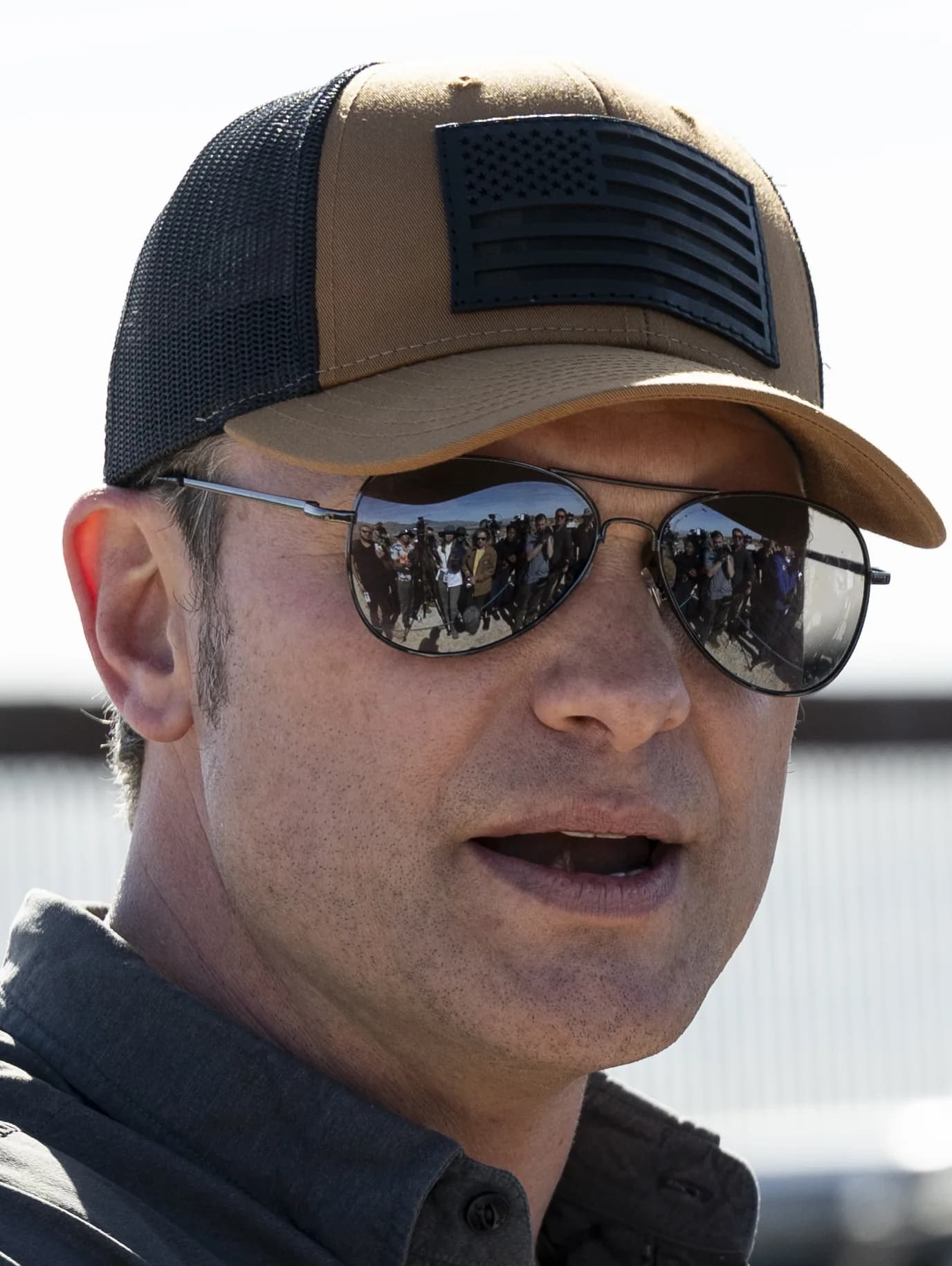
Pete Hegseth marked his first trip to Venezuela since American special forces took Nicolás Maduro into custody by celebrating the former president's seizure, describing the January operation as the most advanced military action ever carried out in Latin America. Speaking outside the recently reopened US embassy in Caracas on Wednesday, he said his presence in the country would have seemed inconceivable a year earlier.[S1]
The defense secretary recalled that Maduro had once taunted his opponents from a stage near the same spot, and said Washington had answered that challenge. He declared 3 January a date of liberation for Venezuela, even though allies of the detained leader remain in power with American backing. Delta Force operatives seized Maduro in the early hours of that day, a move that set off an unexpected warming between Washington and the Chavista movement that has governed since 1999.[S1]
Courting Maduro's successor at the palace
Earlier on Wednesday, Delcy Rodríguez, Maduro's former vice-president who became acting president with Donald Trump's support after the abduction, welcomed Hegseth to the Miraflores Palace. In remarks carried by the state broadcaster VTV, he adopted a softer tone than in past celebrations of the incursion, saying he spoke for Trump and that the US president anticipated opportunities in defense and in the economy, including the country's resource potential, which the two sides would unlock together.[S1]
Hegseth said the purpose of his trip was to restore and expand defense cooperation between two armed forces that had briefly been at war less than a year earlier. The New York Times reported this month that Trump officials were seeking a long-term American troop presence in Venezuela as part of a push for regional influence. Rodríguez, once a vocal anti-imperialist, made no reference to Maduro, who is jailed in New York City, during her five-minute address.[S1]
She credited the political maturity of both governments with converting a very difficult period for Venezuelans into a space for cooperation and shared benefit within just a few months. She also praised the energy agreement her government recently reached with Trump, who has described it as the largest oil deal ever and as the spoils of his conquest of the country. Hegseth said the pact, reported to involve 65bn barrels of reserves, makes the Strait of Hormuz irrelevant to the western hemisphere.[S1]
Sovereignty questions and a regional setback
Critics of Rodríguez's movement portrayed the visit as a humiliating display of deference by a president with no alternative but to welcome the man whose troops detained her predecessor. Writing on X, Venezuelan journalist Luz Mely Reyes said the trip was meant to highlight Washington's direct administration of the country, arguing that the presence of the architect of the January incursion confirmed that operational sovereignty now answers to the White House.[S1]
Reyes also suspected the visit carried a message for the armed forces, forcing the high command to legitimize the man who directed the removal of their former commander in chief, and she wondered whether it was intended to discourage any pockets of resistance in the barracks. Trump's effort to widen his Shield of the Americas anti-cartel coalition suffered a major blow last month when his far-right ally Flávio Bolsonaro lost Brazil's presidential election to Luiz Inácio Lula da Silva, who has signaled that Brazil will not join.[S1]
Venezuela's interim government, however, is in little position to resist. Hegseth said the country had moved from being the region's most aggressive threat to a compliant security partner, and he praised Rodríguez for working closely and pragmatically with Washington to stabilize the country. He said the two militaries would jointly target narco-terrorists operating on Venezuelan soil, warning that such groups would be hunted down and killed. Rodríguez closed her palace remarks by thanking the secretary and wishing him a lifetime of happiness.[S1][S2]