Ottawa pushes back on Pentagon criticism
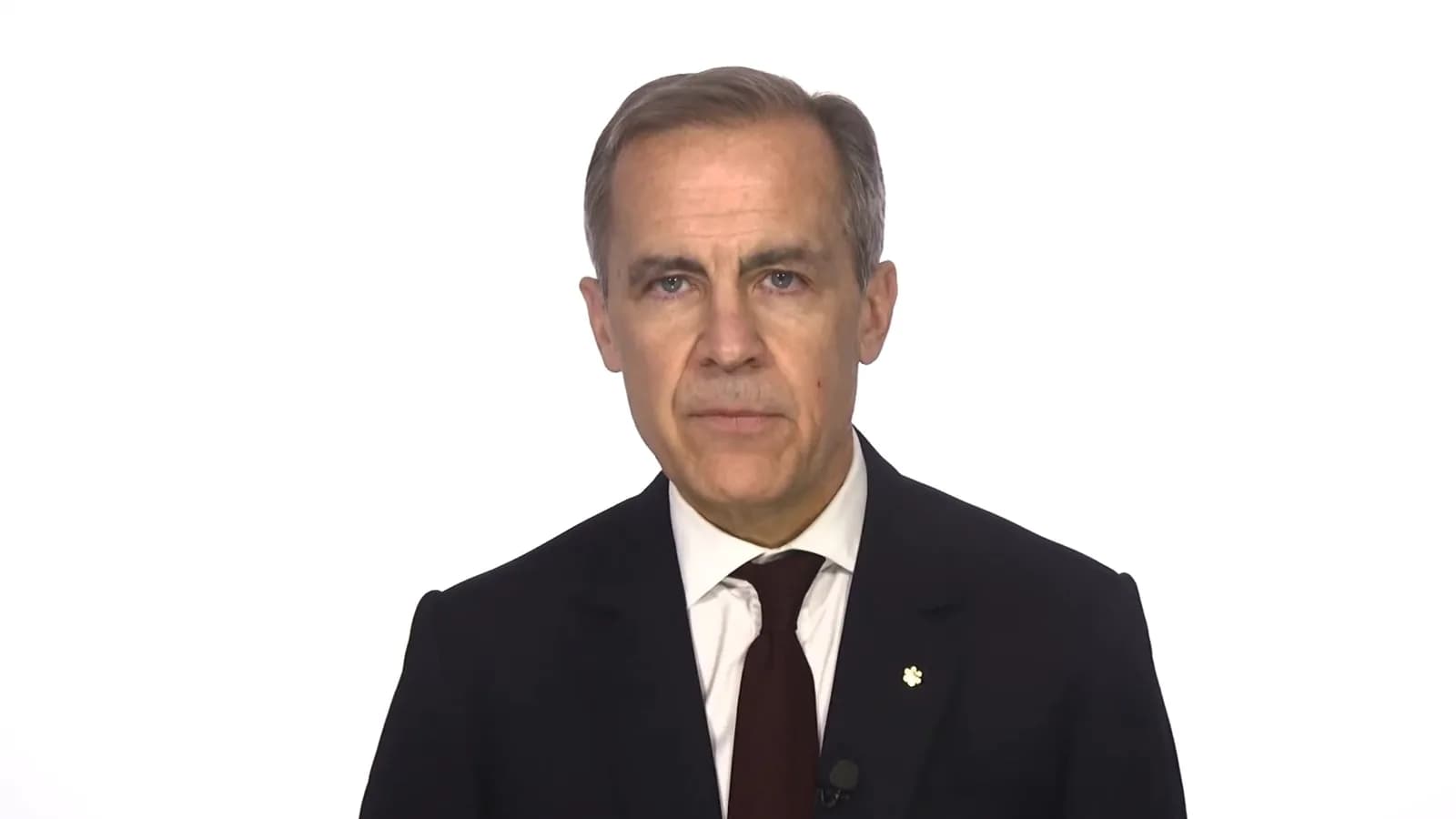
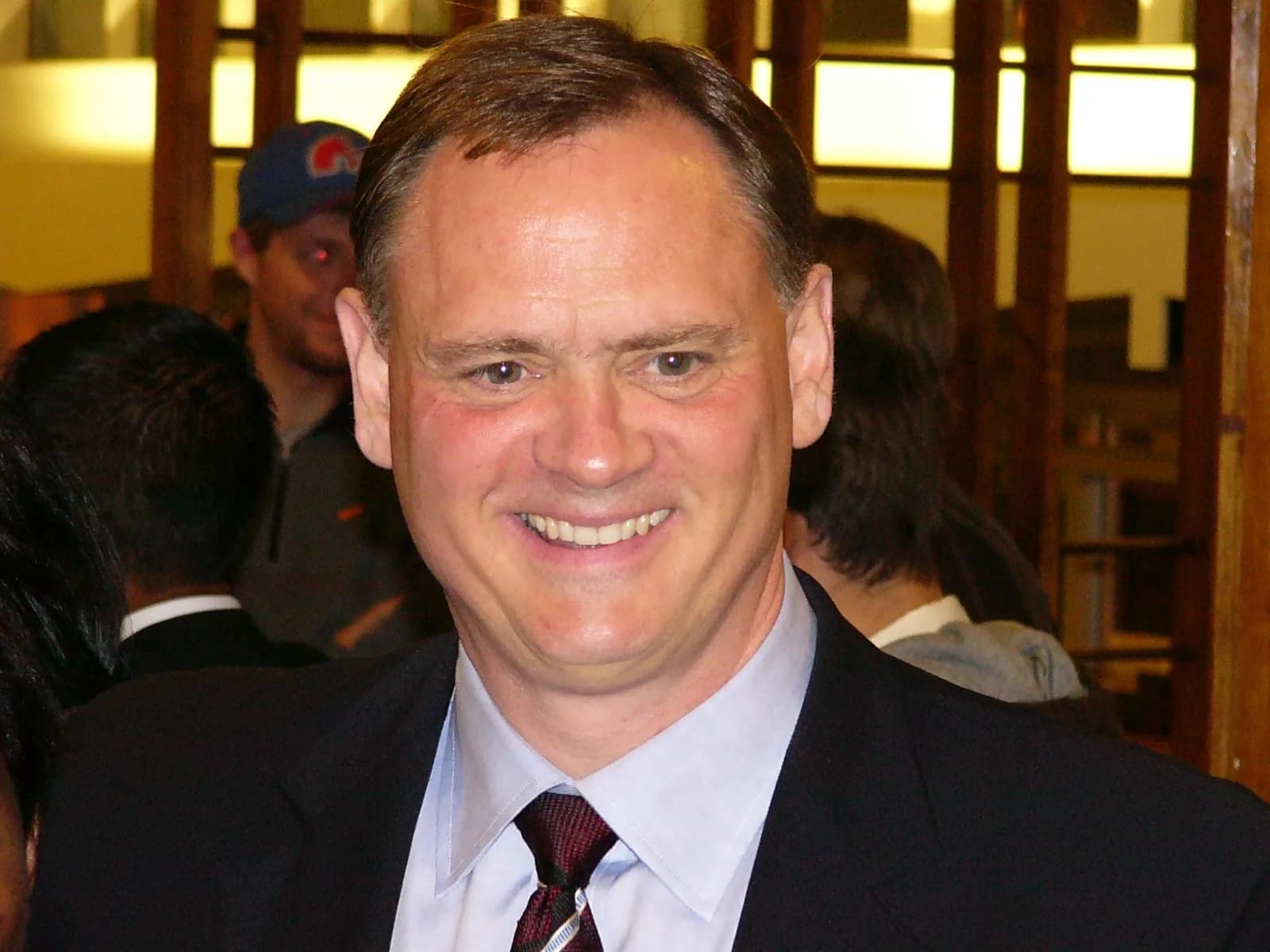
Canada's defence minister has rejected a Pentagon document that questioned the country's military capabilities and its record on defence spending. David McGuinty told reporters that Canada is a sovereign nation and that it does not report to the United States, responding to a suggestion that the memo implied Ottawa needed American approval for its spending plans. He added that he could not divine why the Pentagon chose to criticize Canada now.[S1][S2][S5]
McGuinty pointed to continuity in the two countries' military relationship, saying cooperation under NORAD, work within NATO, military-to-military ties and joint efforts on integrated air and missile defence had all stayed the same. The Pentagon document, released on Tuesday, argued that Canada had yet to make the difficult choices and trade-offs needed to fulfil earlier spending pledges and to be a credible partner in defending the shared continent.[S1][S3][S4]
What the Pentagon document says
According to the memo, Canada needed close to two decades before it fulfilled spending pledges originally made in 2006, even though it ranks among the biggest G7 economies and is one of NATO's largest and most prosperous members. The document further stated that Canada's air, land and sea forces confront major operational difficulties, which it blamed on political leaders who, in its view, prioritized narrow economic and commercial goals over military capability.[S1]
According to the document, the US defence secretary, Pete Hegseth, was laser focused on modernizing Canada's military, and it suggested American taxpayers had been footing the bill for Canadian defence for decades. It further warned that operating a mixed fleet of fighter aircraft would compound existing personnel shortfalls, a point that bears on Ottawa's pending decision on replacing its fighters.[S1][S4]
Understand this article deeper
Spending pledges and a fighter-jet decision
Alliance members have frequently failed to hit NATO's spending benchmarks. Following Russia's 2014 annexation of Crimea, just three countries — the US, the UK and Greece — were spending the recommended 2% of GDP on defence. By 2025, every one of the 31 members possessing armed forces, Canada among them, had cleared that threshold. Canada's national defence outlay in 2025 came to $63.4bn, allowing it to satisfy the 2% commitment for the first time.[S1]
NATO countries agreed last year to raise the benchmark to an amount equal to 5% of GDP by 2035. This month's Canadian federal budget outlined a plan to devote roughly 4% of GDP each year to defence and security by the decade's end, rising to 5% by 2035, and includes submarine and early warning aircraft purchases. Ottawa has still not finalized its Lockheed Martin F-35 order and is considering Sweden's Gripen instead — a multibillion-dollar deal under political scrutiny for over a year.[S1]
A defence bank pitched to allies
The memo appeared as a Canadian representative headed to Europe to build support for a defence bank championed by Prime Minister Mark Carney. Isabelle Hudon, Canada's chief negotiator for the planned Defence, Security and Resilience Bank, is trying to bring more nations into a scheme that would extend low-cost loans to governments and contractors for defence work. Ten countries have committed, yet no other G7 member has joined, with the UK and Germany so far saying no.[S1]
Hudon maintains that the €4bn pledged to date is sufficient to get the bank operating, although her target reaches as high as €100bn. Carney has pledged considerably more defence spending, and the standoff with Washington now affects both his government's procurement decisions and its push to bring allies behind the new lending body.[S1]