A leadership change at the top of DC
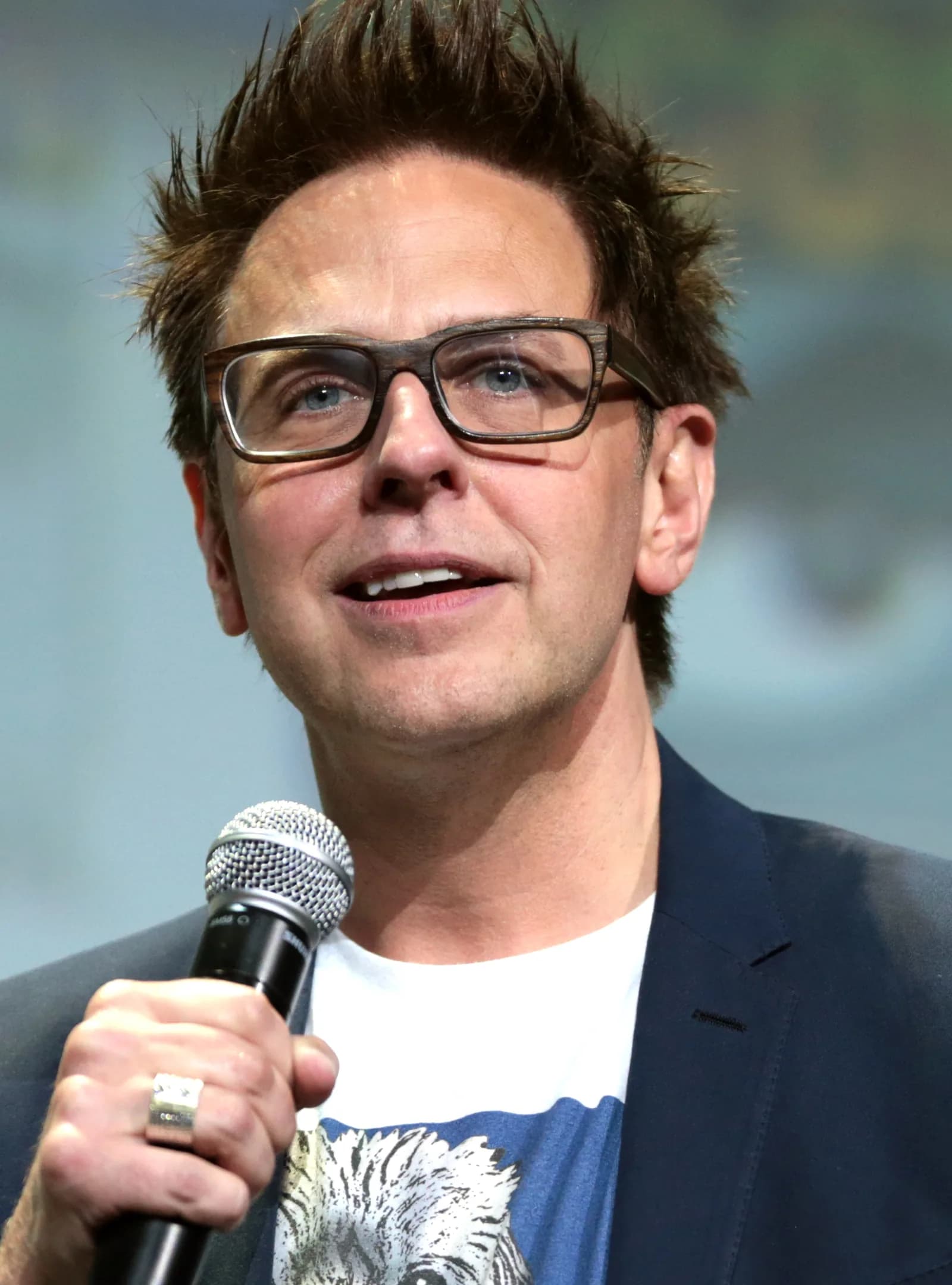
James Gunn and Peter Safran are giving up their positions as co-CEOs of DC Studios, a departure that reshapes the leadership of one of Hollywood's most closely watched comic-book operations. Their exit takes effect Dec. 1, about four years after they were installed in the roles to considerable attention. Skydance, which now controls the division following its purchase of Warner Bros. Discovery, has chosen former Marvel executive Jeremy Latcham to serve as president and chief creative officer.[S1][S2][S3][S4]
The pair's tenure produced three feature films — Superman, Supergirl and Clayface — along with three live-action television series: The Penguin, the second season of Peacemaker and Lanterns. They had also laid out plans stretching across a decade. Latcham's appointment places the creative pipeline, production, talent and strategy for DC's film, television and animation output under his authority, according to Skydance.[S1]
Creative work continues for the outgoing duo
Gunn and Safran will not disappear from DC's projects entirely. Gunn has the Superman sequel Man of Tomorrow in post-production, aimed at a release next year, and the television spinoff The People v. Gorilla Grodd is also in post. Both remain producers on The Batman: Part II, scheduled for 2028. With their executive duties finished, the intention is for them to devote themselves fully to creative work again. Gunn built his reputation on blockbusters such as Guardians of the Galaxy, while Safran has produced numerous DC and horror titles.[S1]
Skydance chairman and CEO David Ellison and co-CEO Ynon Kreiz issued a joint statement crediting the two men with launching a new era at DC Studios and guiding it through a period of genuine transformation, saying the company was proud of the slate they assembled and grateful for their commitment to the brand. Gunn and Safran described Latcham as a long-standing creative partner and expressed confidence that the transition would be smooth and collaborative, adding that they looked forward to building DC's next generation of storytelling with him.[S1]
Latcham's Marvel background and reporting line
Latcham is returning to executive work with this appointment. He joined Marvel Studios in 2004 as one of its earliest employees and eventually became senior vice president of production and development. As a protégé and later a close deputy to Marvel chief Kevin Feige, he earned credits on Iron Man, Iron Man 2, The Avengers, Guardians of the Galaxy, Avengers: Age of Ultron and Spider-Man: Homecoming. He worked alongside Gunn on Guardians of the Galaxy, the 2014 release that elevated the director to A-list status.[S1]
In his new role Latcham will answer to Dana Goldberg and Josh Greenstein, the co-chairs of the Skydance Motion Picture Group. That differs from the arrangement under Gunn and Safran, who reported directly to Warner Bros. Discovery CEO David Zaslav before the merger and, immediately prior to their departure, to Ellison. In a statement, Latcham called DC's roster of characters among the most recognizable in American popular culture and said he was honored to lead the studio into its next era, describing the responsibility of serving longtime fans while bringing the stories to a new generation as one he takes seriously.[S1]
Mixed results and unanswered questions
Industry observers will try to establish whether Gunn and Safran chose to leave or were removed. Before the merger, Ellison traveled to the set of Man of Tomorrow, a gesture read as backing for the two executives, and in recent weeks they presented their long-term plan to him. Sources had previously told THR that Ellison advised them to continue on their current course. Last month Gunn told THR that Ellison was fully informed of their broader vision and had been supportive.[S1]
The departure casts doubt on the extensive plans the duo unveiled when they took over and sought to move DC's films past the long shadow of the Zack Snyder period. They began with a successful new Superman film last year but then suffered a significant setback with Supergirl, which failed with both critics and audiences. Their third film, Clayface, drew strong reviews and is profitable. In their own statement the two said that four years earlier they had set out to unite DC behind a single creative vision, that they had helped return Superman to the center of the brand and opened new doors in film and television, and that they were proud of the team that made it real.[S1]