A Historic Winery Turns to Bankruptcy Court
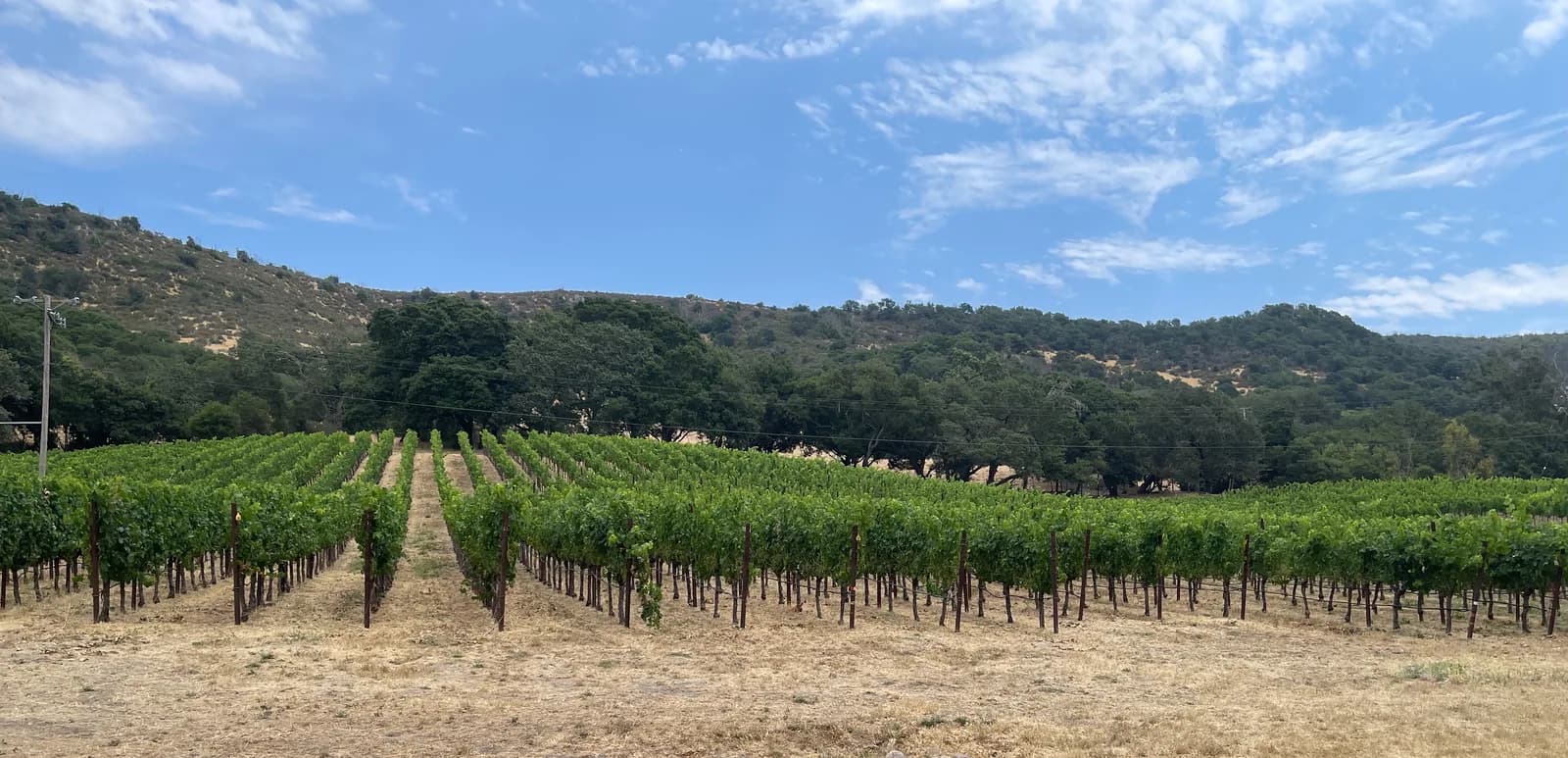
Gundlach Bundschu Winery, which has operated in Sonoma for 168 years, announced it has filed for Chapter 11 bankruptcy protection. The sixth-generation family behind the estate is seeking to restructure its finances and may bring in a new investor. The winery emphasized that it will not close and that wine will continue to flow at its Sonoma property throughout the bankruptcy process.[S1]
Jeff Bundschu, who runs the business with his sister Katie, said the family has long regarded the winery as more than just a commercial operation, describing it as a core part of Sonoma Valley. The filing follows a period of mounting debt that the family says became impossible to sustain in the post-pandemic economy.[S1]
From 1858 to a Debt-Financed Acquisition
The family's connection to the land dates to 1858, when the property was acquired from the son-in-law of Gen. Mariano Vallejo, a famed California military commander and politician. Over the decades, the winery—affectionately known as GunBun—survived the phylloxera infestation of the 1870s, the 1906 San Francisco earthquake that destroyed three family homes and 1 million gallons of wine, Prohibition, wars, recessions, wildfires, and the COVID-19 pandemic.[S1]
The company attributes its worsening finances to a large acquisition in 2020 funded by debt, which took place right before the pandemic hit the hospitality and wine sectors. Rather than bolstering the business, that move ran headlong into shifting drinking patterns, weakening wine demand, consolidation among distributors, surplus stock, and reduced need for grapes and contract winemaking services.[S1]
Cost Cuts, Personal Sacrifices, and a Path Forward
Gundlach Bundschu reported that it has trimmed costs by over 40 percent across the last three years, a reduction of roughly $6 million. To keep the business running, the Bundschu family committed significant personal resources, including putting up and selling property located away from the winery. The family noted that its historic residence, reconstructed following its destruction in the 2017 Tubbs Fire, is now exposed to lender claims.[S1]
The family stated that it sought to work out terms with its lenders before resorting to bankruptcy court, but turned down an offer of millions in extra financing, citing what it viewed as an excessively burdensome cost of capital. Chapter 11, by contrast, might allow for a fresh ownership arrangement and an investor with sufficient funds to sustain winery operations while maintaining its Sonoma connections.[S1]
Jeff Bundschu described the aim as establishing a fair process overseen by the court, one that offers the long-standing business a chance to endure, keep people employed, maintain ties with customers and suppliers, and guarantee the winery continues to play a significant role in the Sonoma Valley community.[S1]
A Broader Hangover for the Wine Industry
This bankruptcy filing arrives amid a wider slump in the American wine sector. Sales of wine have dropped considerably from the peaks reached during the pandemic, as younger buyers increasingly choose canned cocktails, hard seltzers, and nonalcoholic options. Growing attention to health in drinking choices has placed additional strain on the industry.[S1]