A sharp rebound after a punishing selloff
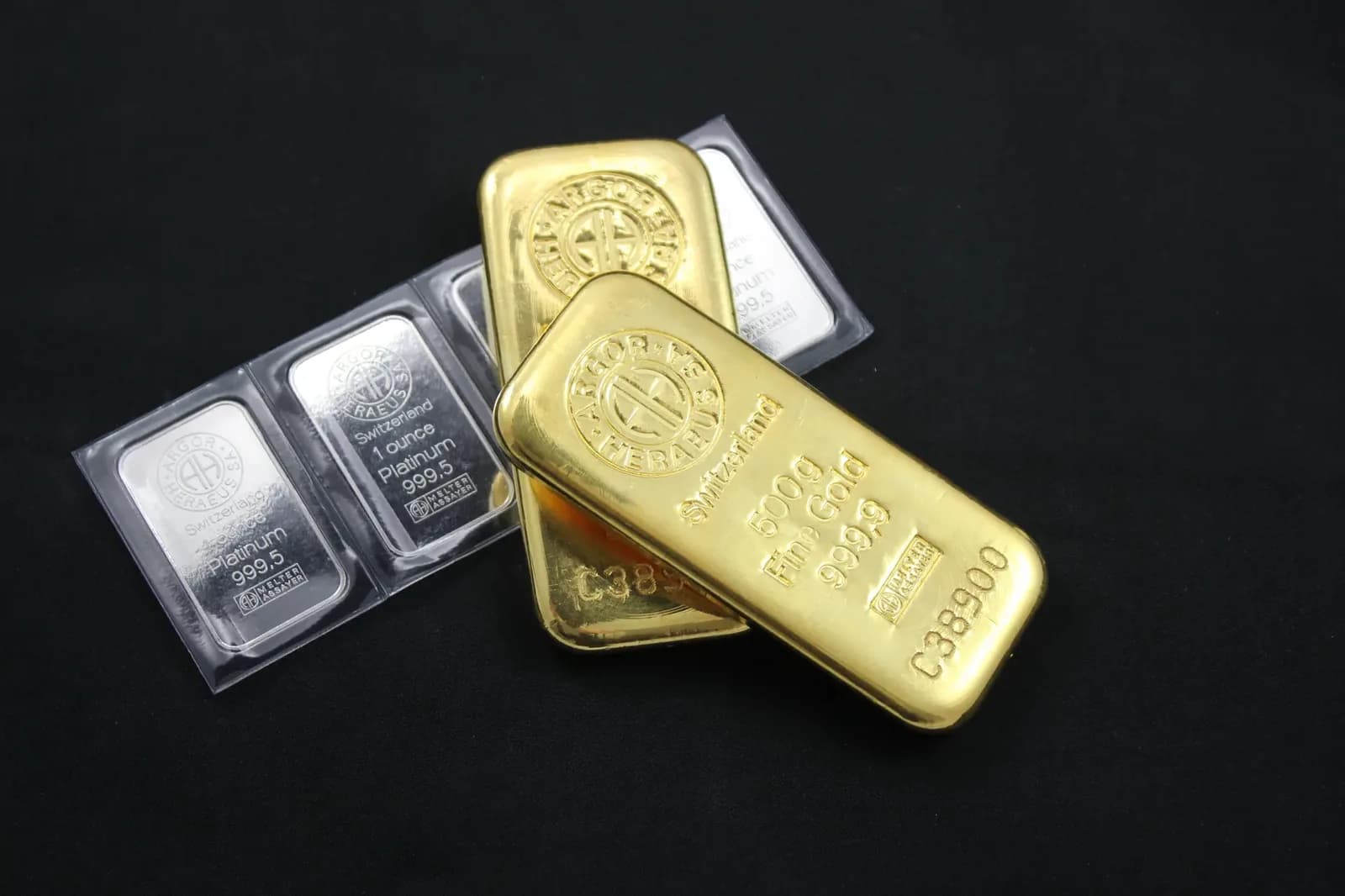
Gold is closing the week back over $3,600 an ounce, heading for a weekly advance of about 3% after climbing as much as 7.5% off the 15-month trough reached midweek and touching $3,685 an ounce on Friday. Silver's rebound was stronger still, gaining over 16% within two days after testing support around $38 an ounce on Wednesday and rising past $44.50 an ounce on Friday. The recovery came on the heels of a 9% decline the prior week.[S1][S2][S3][S4][S5][S6][S7][S8]
According to David Morrison, Senior Market Analyst at Trade Nation, the recovery came even as the U.S. Dollar Index sat near a 22-month high. He identified Wednesday's technology-led equity rally as the first trigger, as investors regained an appetite for risk. Morrison cautioned against reading a strict link between precious metals and the tech sector, suggesting the risk-on move more likely reflected exhausted sellers and was closer to coincidence than correlation.[S1]
Selling fatigue versus a hawkish Fed
Ole Hansen, Head of Commodity Strategy at Saxo Bank, wrote in a recent commentary that gold could gain from positive short-term factors alongside potential selling fatigue. He nonetheless argued that attracting durable bullish momentum will be hard while the Federal Reserve keeps raising rates to cool inflation. In his view, the strongest case for a rebound is simply that selling has gone too far, and with speculative length substantially reduced, short covering and eventually fresh long accumulation could amplify a recovery.[S1][S8]
Naeem Aslam, Chief Investment Officer and Founder of Zaye Capital Markets, said Friday's bounce was welcome news for traders heading into the weekend but stressed that more must happen before a bottom can be declared. He said the lows seen during the week remain a key price level to watch, and that only while they hold can the rebound be considered in place. He added that breaking the 4K level is needed for a clear bottom signal.[S1]
Rate expectations and the inflation debate
Jefferies commodity analysts suggested the rebound could indicate that markets are starting to revise their expectations regarding the Federal Reserve's policy direction. They pointed out that traders priced a 97% chance of a 25-basis-point December rate increase, and that observers are debating whether the Fed would be making a policy error by tightening while energy prices are falling. In their view, metals might climb if the Fed raises rates as anticipated in December but hints at a pause or a shift toward neutrality.[S1]
Jay Hatfield, CEO and portfolio manager at Infrastructure Capital Advisors, told Kitco News he regards the Fed's hawkish stance as a major policy mistake. He argued that core inflation is quite muted once the energy and tariff effects are corrected for, and that gold will struggle to rally in this environment. He expects prices to move lower unless the central bank changes course, and said weak economic data will eventually force the Fed to relent.[S1]
What could still go wrong
A market commentator cited in the coverage argued that Friday's bounce leaves the fundamental dangers intact. That view highlighted the ongoing conflict with Iran, shipping that remains far from normal in the Strait of Hormuz with AIS-tracked transits roughly 90% below pre-crisis levels, and a Federal Reserve still worried about persistent inflation. It cautioned that wider fighting or new attacks on energy facilities could drive oil sharply higher, while further AI-driven liquidations could weigh on metals or stronger-than-expected inflation could boost the dollar and rate expectations, pressuring silver and gold again.[S1]
Although the recovery still looks fragile, some analysts said next week's economic data could help cement the gains. The main event will be the release of November's nonfarm payrolls report.[S1]