A steep weekly slide for bullion
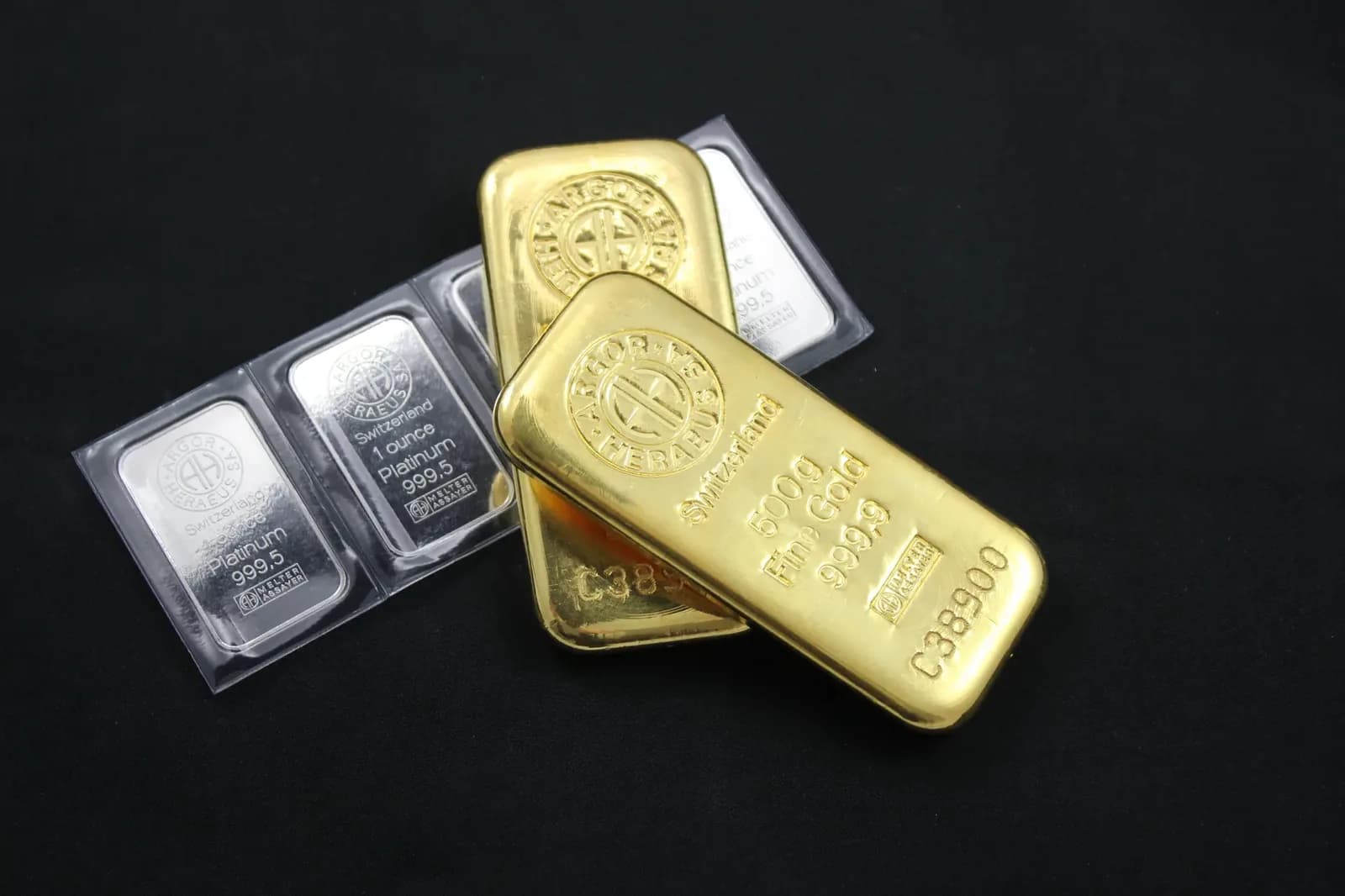
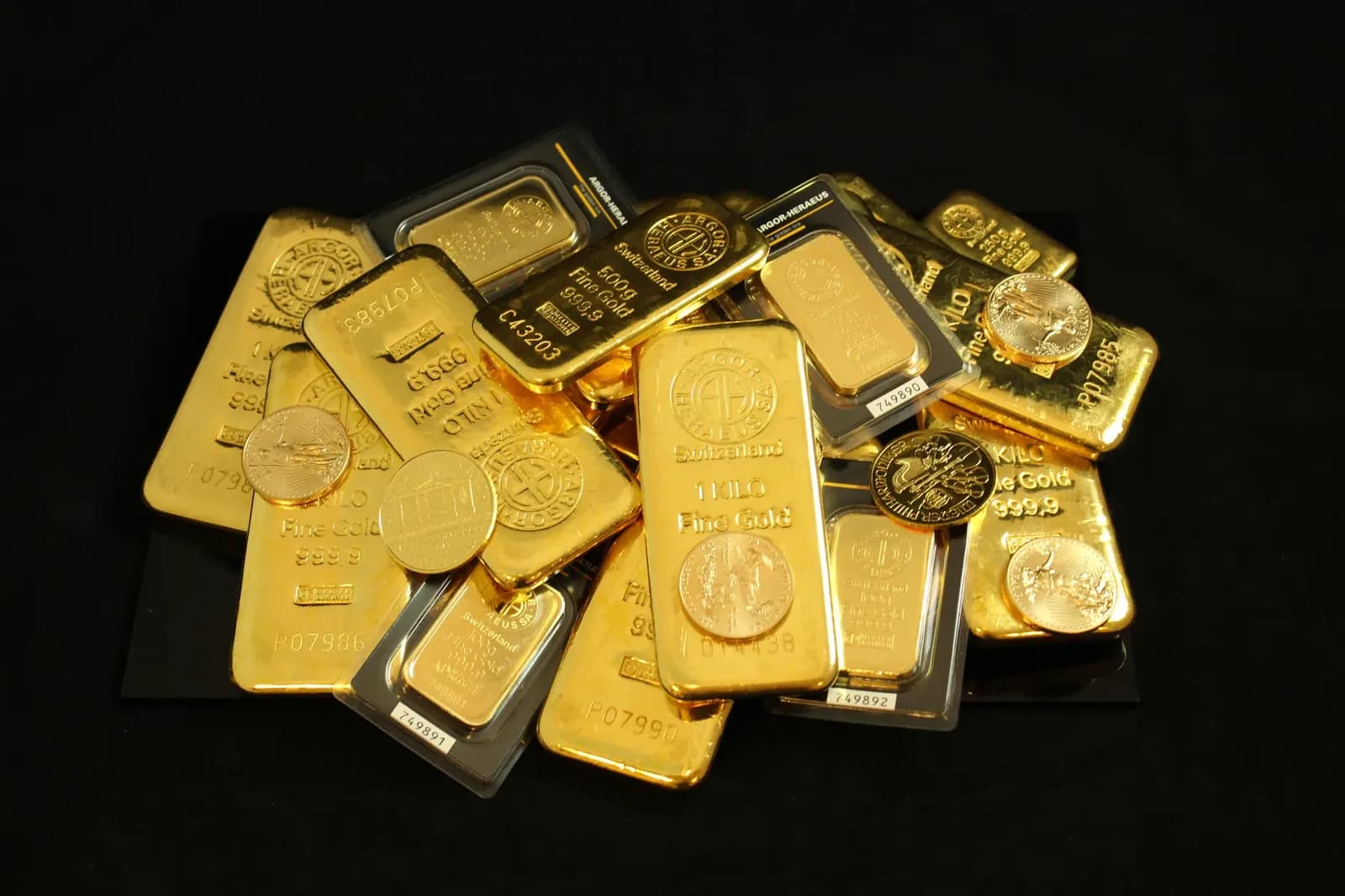
Gold fell on Friday and was set for its largest weekly decline since March, with the metal dropping as much as 1.1% to trade under $3,590 an ounce. Over the week it was on course to lose roughly 7%, touching its weakest level since September 2025. Spot gold was down 0.8% at $3,596.09 an ounce by 9.01 am in Singapore.[S1][S2][S3][S4][S5][S6][S7]
The retreat extended across the precious metals complex. Silver shed about 13% over the same week and fell 1.7% to $42.22 an ounce after a nearly 5% drop in the prior session. Platinum and palladium also weakened, underscoring how broadly the selling spread beyond gold.[S1]
Hawkish Fed and rising yields
Federal Reserve Bank of Chicago president Austan Goolsbee said on Thursday that he would weigh every option to fight persistent US inflation, joining other central bank officials who have floated the idea of raising interest rates. The prospect of tighter policy has kept Treasury yields high, with 10-year borrowing costs on track to match a 2007 streak of 29 closes above 5%.[S1]
Investors broadly expect the Fed, the European Central Bank and the Bank of England to hold rates mostly steady for years once they finish hiking around the end of 2027. Because gold pays no interest, higher rates and yields tend to work against it. A dollar gauge also climbed 0.6% this week, making bullion costlier for buyers using other currencies.[S1]
AI rout and forced selling
The metal has been dragged into a technology-stock sell-off, with Asian equities following Wall Street lower on worries about the artificial intelligence trade. That slump has prompted investors to sell gold to cover losses in other positions, adding pressure to a market already strained by the rate outlook.[S1][S8]
Global X ETFs strategist Justin Lin said the metal has entered an air pocket, with scant technical support before the $3,300–$3,400 zone. He called the picture fragile and said he cannot yet identify anything that would turn the momentum around. Since the US-Iran war started in late February, gold has shed more than 30%, as rising energy costs drove inflation higher.[S1]