A Chef's Journey from Catering School to Food Activism
Abiro Wisdom spent three years at catering school in Accra, but he never wanted to work in international hotels. His training focused on French, Italian, and Mexican cuisine, ignoring the nutritious foods he grew up eating in northern Ghana. He felt he couldn't be himself in that environment, unable to talk about his own food traditions.[S1]
Instead, Wisdom joined the Ghana Food Movement (GFM), founded in 2019, the year he graduated. He became a passionate advocate for Indigenous foods, describing the group as a community of food lovers who believe in the potential of Ghanaian cuisine. The movement started as a loose network of volunteers, including chefs, farmers, and food security experts, who organized dinners to showcase local ingredients.[S1]
Challenging Import Dependence and Colonial Legacy
At least 50% of Ghana's food is imported, a legacy of colonial times when cash crops were favored over feeding locals. This dependency leaves the nation exposed to price swings and reliant on imported seeds, pesticides, and fertilizers. The GFM contends that many indigenous crops are hardy and require fewer inputs, offering a sustainable path forward.[S1]
Aimee Wallin, the group's co-managing director, criticizes the narrative that Western practices are superior. She points out that the postcolonial agenda keeps African countries dependent on imports, but by using local ingredients, they can take back control. Wallin emphasizes that food is power, and feeding oneself is essential for self-determination.[S1]
Understand this article deeper
Innovative Dishes and Educational Outreach
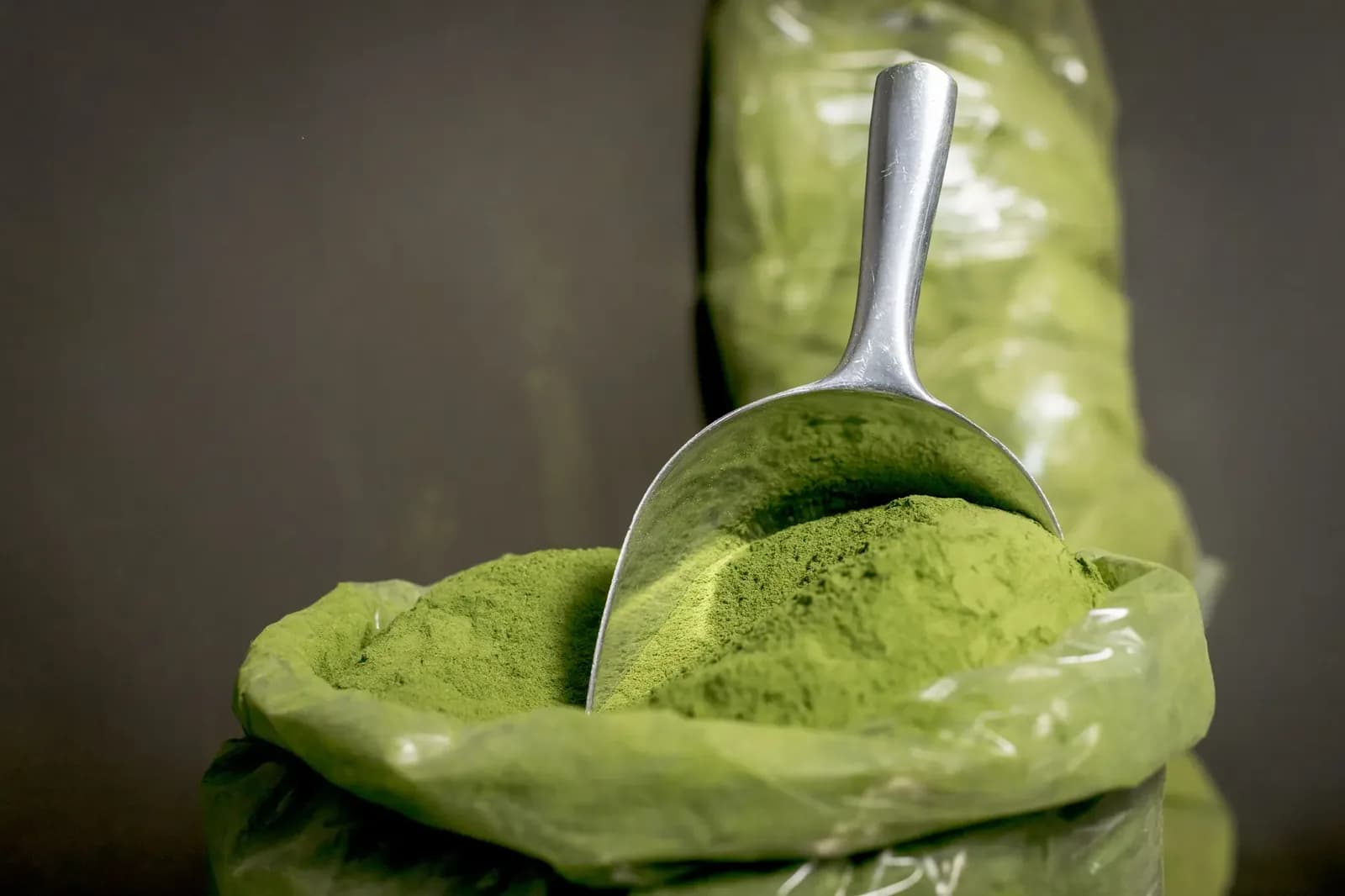
The GFM now operates as a registered non-profit with its own kitchen, where they brainstorm recipes like tigernut burgers and moringa lattes. They host monthly pop-ups, panel discussions, and recipe testing events. Wisdom hopes to show that Indigenous ingredients can be profitable and appealing, even to younger Ghanaians drawn to global trends like matcha and bubble tea.[S1]
The movement also partners with schools to teach children about local foods. Wisdom hopes to inspire a new generation of chefs who value Ghanaian cuisine and its cultural significance. He now sees the link between food, politics, economy, and identity, and encourages chefs to share the narratives behind their dishes.[S1]
Urgency to Preserve Food Heritage
Wallin stresses the urgency of saving Ghana's food heritage before it is lost. She believes that knowledge resides with the older generation, farmers, and communities, and it's crucial to talk to them now. The GFM recently won a Champions of Change title at the 50 Best Restaurants Awards, recognizing their transformational work.[S1]