Ministry sounds alert as infections multiply
Gaza's health ministry has issued an epidemic alert following a steep climb in meningitis infections, with 272 cases recorded across the territory in October. That figure is more than eight times the typical monthly range of 30 to 50, according to Dr Nidal Ghoneim, a senior ministry official, who briefed reporters at a news conference. He said the disease's spread endangers the lives of hundreds of thousands of people, children among them.[S1][S2][S3][S4][S5][S6]
Ghoneim also reported that 15 Palestinians have died from meningitis since the beginning of this year. The ministry placed responsibility for the outbreak squarely on Israel's occupation, arguing that its blocking of maintenance spare parts, sterilisation supplies and fuel created the conditions for the disease to spread.[S1][S4]
Contaminated water and crowded shelters drive spread
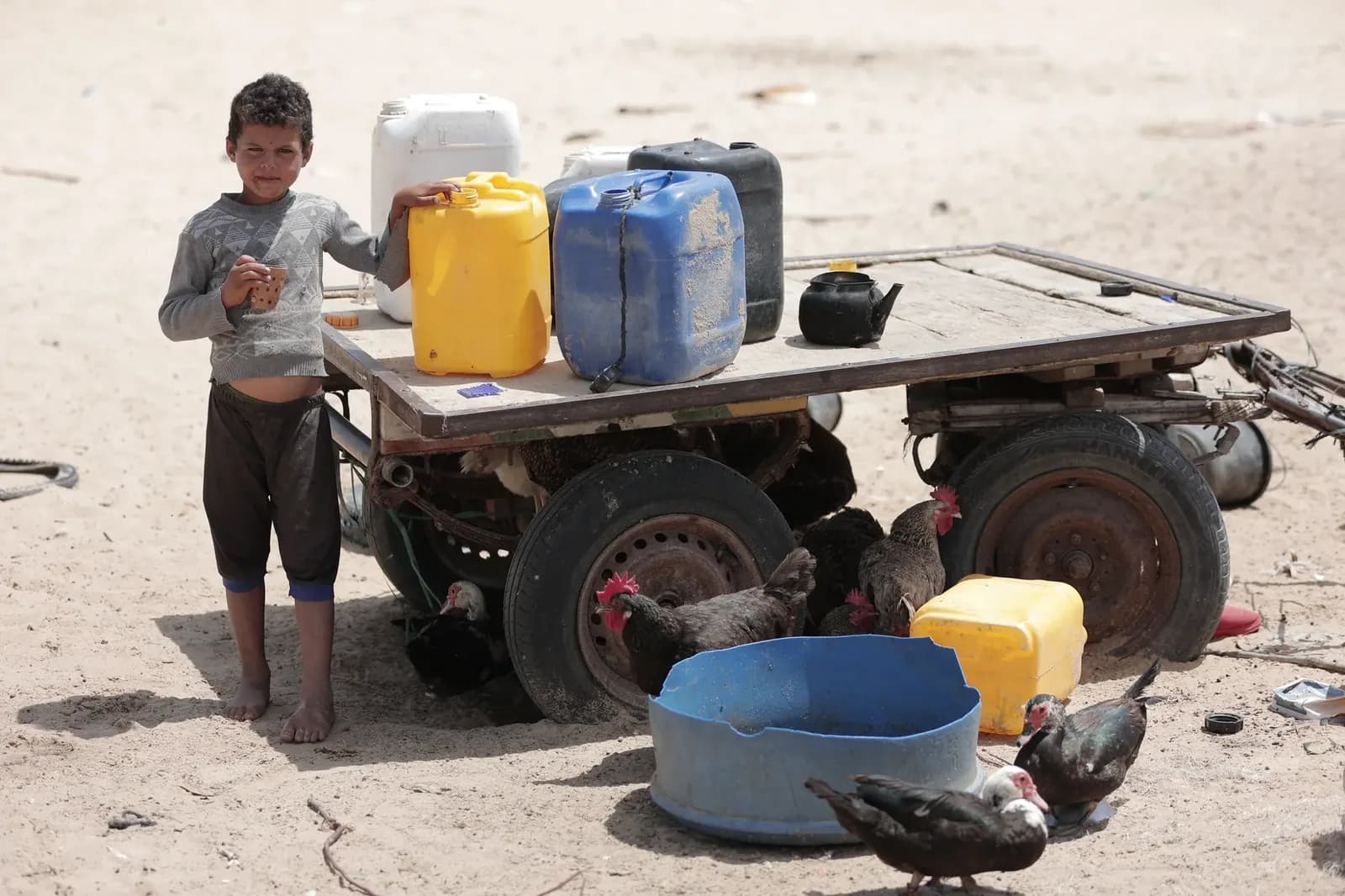
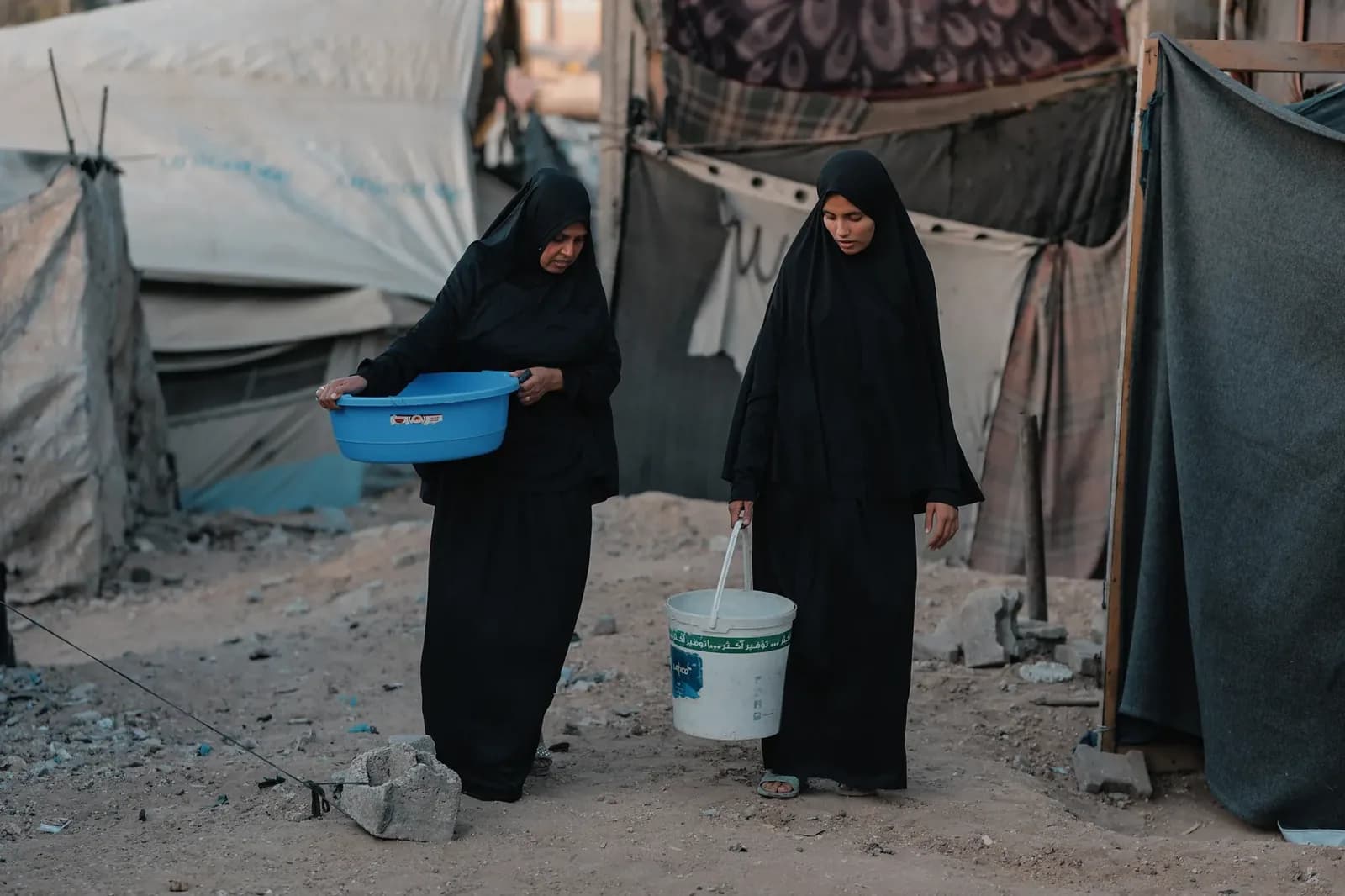
Health organizations trace the rise to the destruction of infrastructure, densely packed shelters and drinking water polluted with sewage. Winter flooding and limits on humanitarian aid have compounded the problem. Much of Gaza's drinking water once came from desalination plants and three pipelines under Israeli control; these were shut off when the war began and have reopened only in part.[S1]
The UN humanitarian agency Ocha previously counted 413 suspected meningitis cases between 27 September and 31 October, splitting them into 294 viral and 119 bacterial infections. Roughly 68% were logged in Gaza City. Ocha linked the increase to crowded tents and schools, worsening shelter and sanitation conditions, and exposure to unsafe water.[S1]
Water access in Gaza has become critical. Prior to the conflict, roughly four-fifths of the supply was drawn from an aquifer that seawater and sewage have since spoiled, leaving it unsafe to drink. For many people, the daily decision comes down to consuming one more glass of water or saving it to clean their hands. Severe diarrhoea is one of the most common ailments. Around 15,000 cubic metres of raw sewage leak into the groundwater each day from soak-away pits, particularly in the makeshift camps of al-Mawasi. The World Health Organization reported in September that microbial contamination in sampled water had risen from below 6% in January to nearly 20% by August.[S1]
Strikes and ceasefire strain deepen the crisis
On top of disease outbreaks and scarcities of drinking water and everyday supplies, Palestinians remain exposed to Israeli military strikes and to what the ministry calls breaches of the ceasefire, with attacks growing heavier in recent days. Last Wednesday troops moved into central Gaza, which is under Hamas control, marking the first ground incursion past the yellow line boundary since the fragile truce was reached in October last year; the advance forced dozens of displaced Palestinians to abandon their tents.[S1][S8]
The health ministry reported that four people died and seven were injured across Gaza during the previous 24 hours, and that 1,679 deaths have been recorded since the ceasefire came into force. According to the territory's health authorities, the war that started in October 2023 has now claimed more than 74,000 Palestinian lives and left over 176,000 people wounded.[S1]