A European format reaches Asia
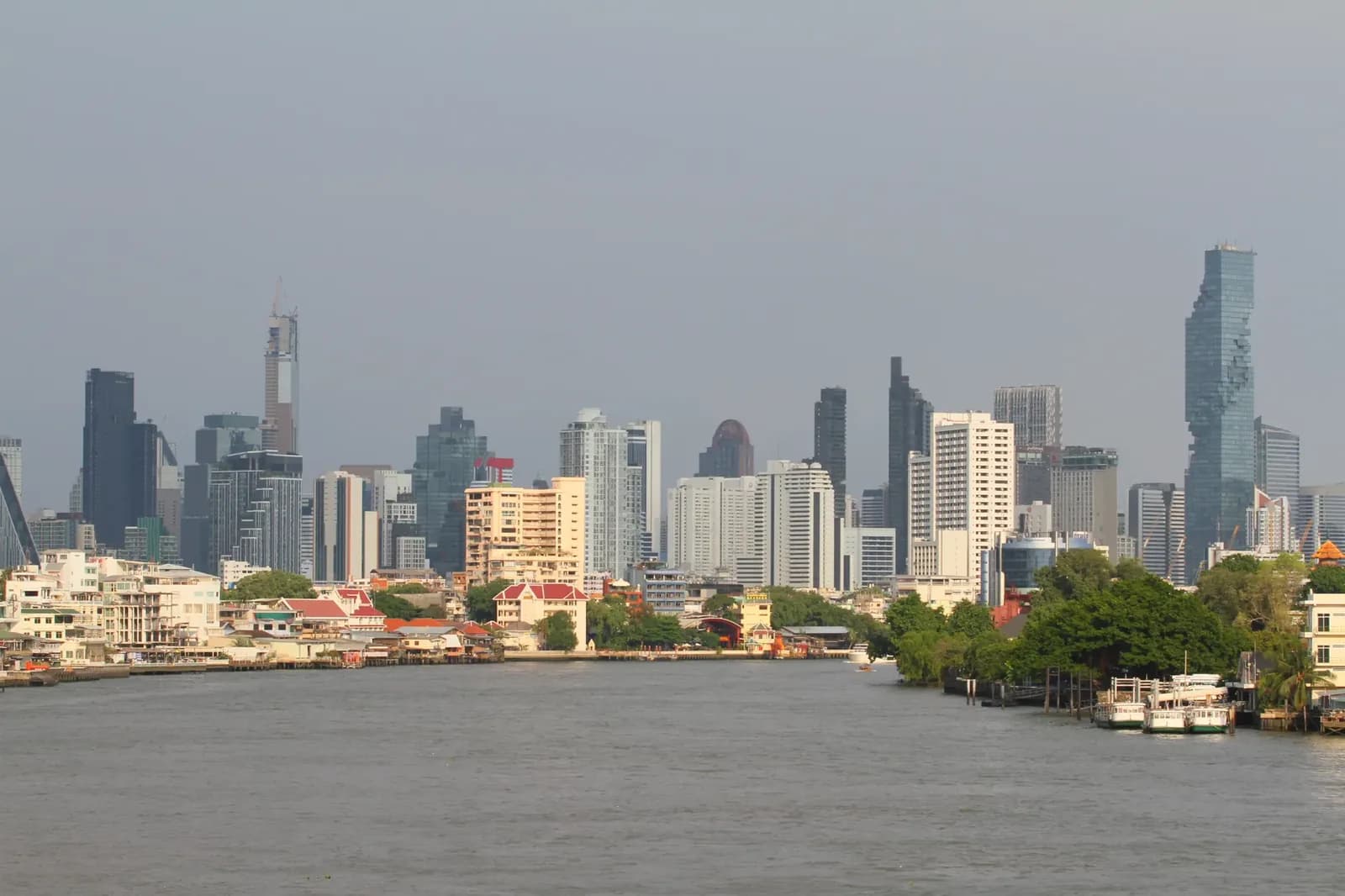
The Eurovision Song Contest is staging its first Asian edition, with Bangkok serving as the host city for the inaugural event. The expansion takes a competition long built around European national broadcasters and plants it in a region with a very different musical and television landscape. Coverage of the launch has framed it as a significant moment for the format, with outlets across the region treating the Bangkok show as the arrival of a brand new contest rather than a spin-off.[S1][S2][S4][S5]
The event has drawn attention from fans who have followed the Eurovision brand from afar. Reporting from the host city describes supporters gathering ahead of the first Asian show, some of them saying they had waited a long time for the contest to reach them. That enthusiasm is the backdrop against which the organizers and the competing acts will be judged.[S5]
The Philippines entry and its message
Matt and Nika, the pair who wrote and produced the Philippines entry Sobra-Sobra, told the BBC they were very excited and nervous about the performance, and said they could hardly believe the moment had arrived. Nika described the song as an anthem about women's empowerment, explaining that its message is that a person can be whoever she wants to be.[S1]
The two said they felt fortunate that Carmelle would be the one performing the track. Matt called her highly professional, and Nika said the singer embodies the song. Both pointed to Filipinos' love of music as a reason to expect that Eurovision could take off in the Philippines, expressing confidence in its chances there.[S1]
What the contestants are bringing
The first Asian edition has been presented as a showcase for the region's varied performance traditions, with costumes, K-pop influences and local heritage all expected to feature among the acts. For the contestants, the contest is being treated as a platform for ambitions that go beyond a single night of television.[S3]