Rivers and Drought
Western Europe's landscapes have been severely affected by this summer's heatwaves, as seen in satellite images showing reduced glacier sizes, wildfire damage, and decreased river water levels. The Copernicus climate service reports the region's hottest June-July period on record, with the Met Office citing persistent high-pressure systems and climate change as contributing factors.[S1]
Europe's severe drought has caused the Danube River to reach its lowest level in three decades, exposing historic relics like a mammoth skeleton in Bulgaria and a WWII shipwreck in Serbia. This has also forced nuclear power plants in Hungary and Romania to reduce operations due to insufficient cooling water.[S1][S2]
Melting Glaciers and Wildfires
Glacier melting in the Alps is severe, with the Rhône Glacier retreating over 50 meters. Climate change is driving less winter snow and more summer melting, threatening the Alps' future.[S1]
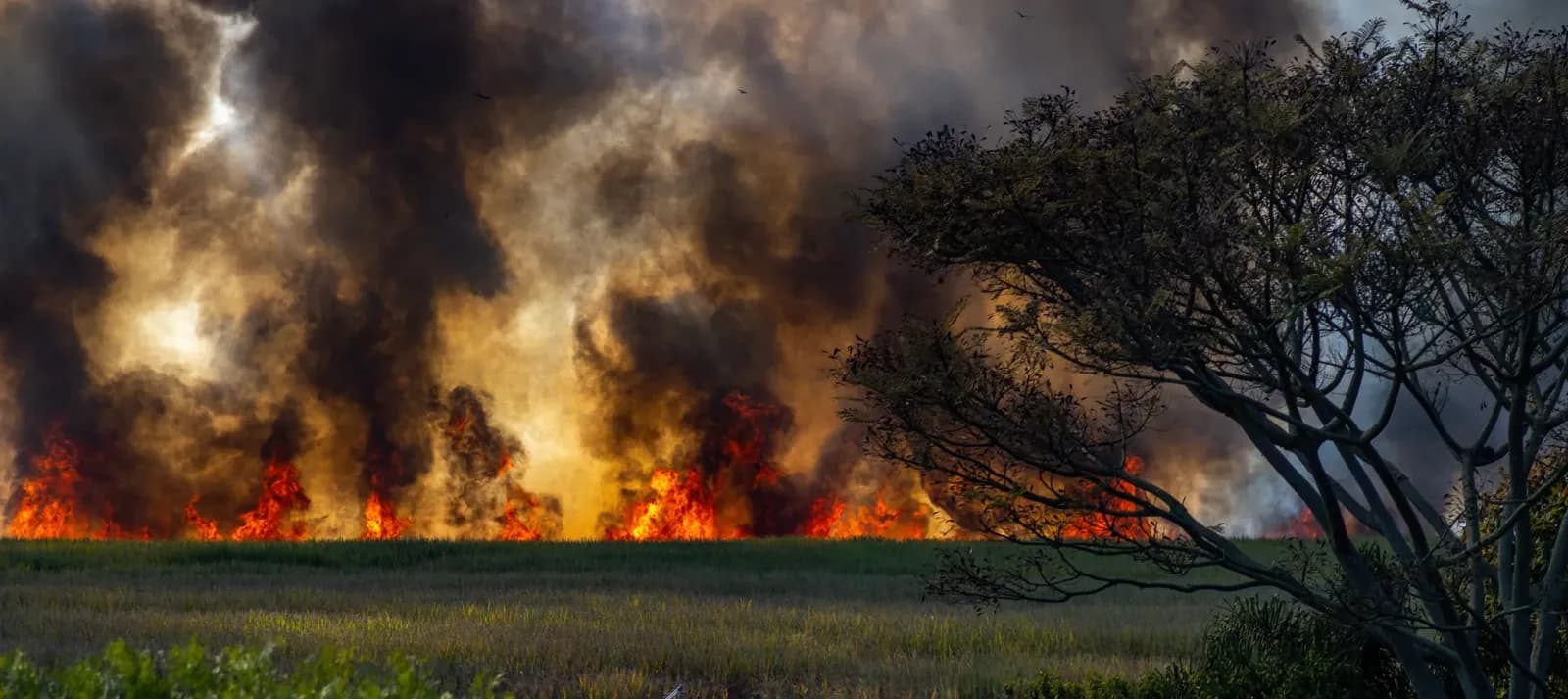
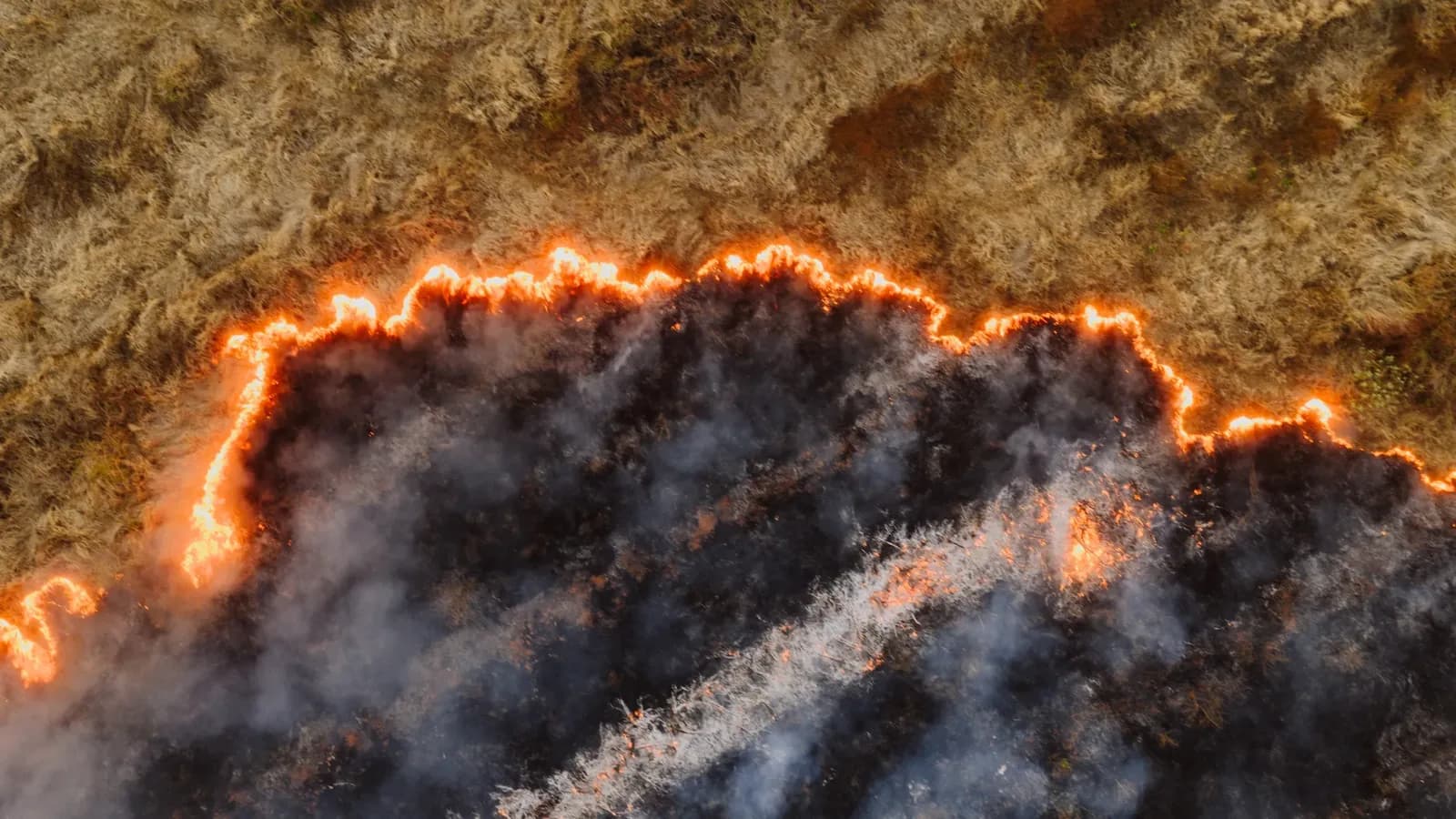
Western Europe's landscape has been drastically altered by wildfires, with France experiencing its most severe year on record, burning over 90,000 hectares. The Gironde fire near Bordeaux consumed around 42,000 hectares. Climate change is exacerbating the frequency of extreme wildfires by drying vegetation and soils, according to Douglas Kelley from the UK Centre for Ecology and Hydrology. Satellite data reveals poor vegetation health in 70% of France, nearly half of the UK, and 40% of western Germany.[S1]
Impacts on Agriculture and Future Outlook
Widespread water stress is evident in the browning of landscapes, posing a threat to agriculture and food production, notes Andrew Challinor of the University of Leeds. Luis Samaniego from the Helmholtz Centre for Environmental Research warns that even with potential rainfall, agricultural damage may have already occurred, as soil moisture levels are lower than 98% of comparable historical dates.[S1]
By 2070, UK summers may become 1.8 to 10.8 degrees hotter and see a 60% decrease in rainfall due to climate change. This year, England received only 7% of its average July rainfall, with southern England getting a mere 1%, resulting in parched parks and sports fields. Rivers and lakes are also affected, with the Thames at Reading hitting a record low.[S2]