A blocked arrival and two nights in the terminal
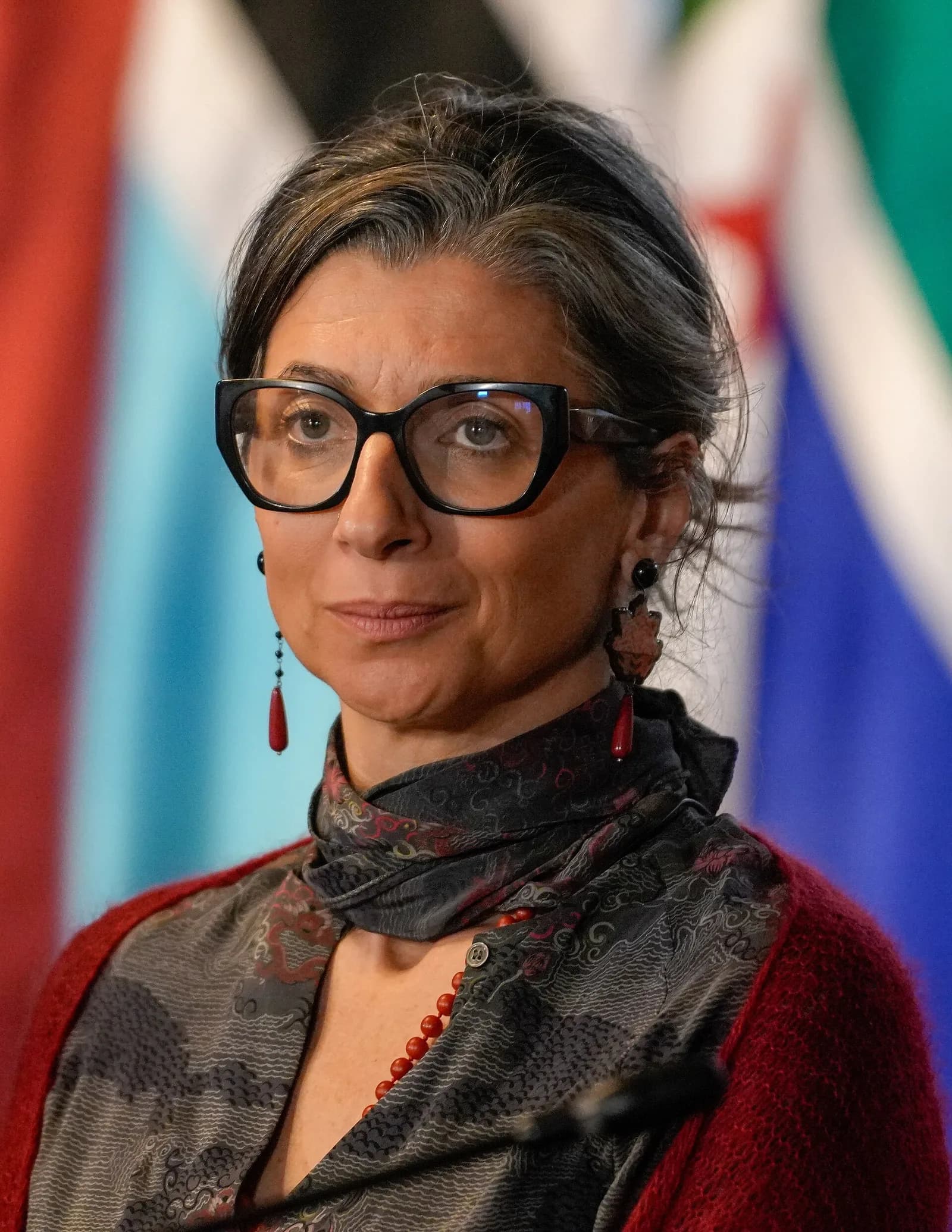
Francesca Albanese, the United Nations special rapporteur for the occupied Palestinian territories, was stopped from entering Costa Rica on Thursday night and remained inside Juan Santamaría International Airport in San José for two nights, according to her own account. She had traveled there to be awarded an honorary doctorate by the University of Costa Rica in recognition of her human rights work. The immigration authority's chief, Omer Badilla, said in a video message that she was refused because an international alert flagged alleged ties to terrorist acts, without elaborating. The Italian lawyer has firmly rejected that characterization.[S1]
The university went ahead with the ceremony while Albanese was still at the airport, connecting her by video link. She delivered her acceptance remarks seated on the floor of a terminal, and photographs circulated from the event showed the auditorium audience rising to applaud as her image appeared on screens above the stage. On Saturday she departed for Mexico. In a post on X, she said farewell for now and pledged to come back once, in her words, Costa Rica is free again.[S1][S7]
UN concern and political reactions
Volker Turk, the UN high commissioner for human rights, said he was deeply concerned by the decision and called on Costa Rica to think again, arguing that the move sits uneasily with the country's long record of defending human rights. Criticism also came from within Costa Rican politics: legislators from multiple parties objected, and former president Óscar Arias, who received the Nobel Peace Prize in 1987, went to the airport to see her and condemned the government's handling of the case.[S1]
Israel's ambassador to the UN, Danny Danon, welcomed Costa Rica's action, asserting that Albanese spreads hostile propaganda about Israel and lends legitimacy to terrorist groups. The government in San José, led by President Laura Fernández since February, has kept close relations with the United States, a leading ally of Israel. Albanese has held the rapporteur post since 2022 and was the first woman to do so; special rapporteurs are appointed by the UN but act independently.[S1]
A contested mandate and a wider dispute
Albanese has been a vocal critic of Israel's military campaign in Gaza, and repeated campaigns have sought her removal on grounds of alleged bias. Israel has barred her from entering since early 2024, after remarks she made about the Hamas-led assault on southern Israel on 7 October 2023. She maintains that documenting the suffering of Palestinians in Gaza and the occupied West Bank is precisely her mandate.[S1]
Israel rejects accusations of genocide in Gaza and has dismissed UN reports on the conflict, including a commission of inquiry document it called distorted and false and another study on the targeting of Palestinian children that it described as a libelous fabrication. The war began with the 7 October attack, in which about 1,200 people were killed and 251 taken hostage, according to the source account; Gaza's health ministry says more than 74,770 people have since been killed in Israeli strikes. Albanese has also pressed Western governments to do more for Palestinian rights, and in a report last year urged multinational companies to end business with Israel, warning of complicity in war crimes. The Trump administration has sanctioned her over her support for the International Criminal Court, and Secretary of State Marco Rubio accused her of antisemitism, a charge she rejects.[S1]