A third secret ballot narrows the race
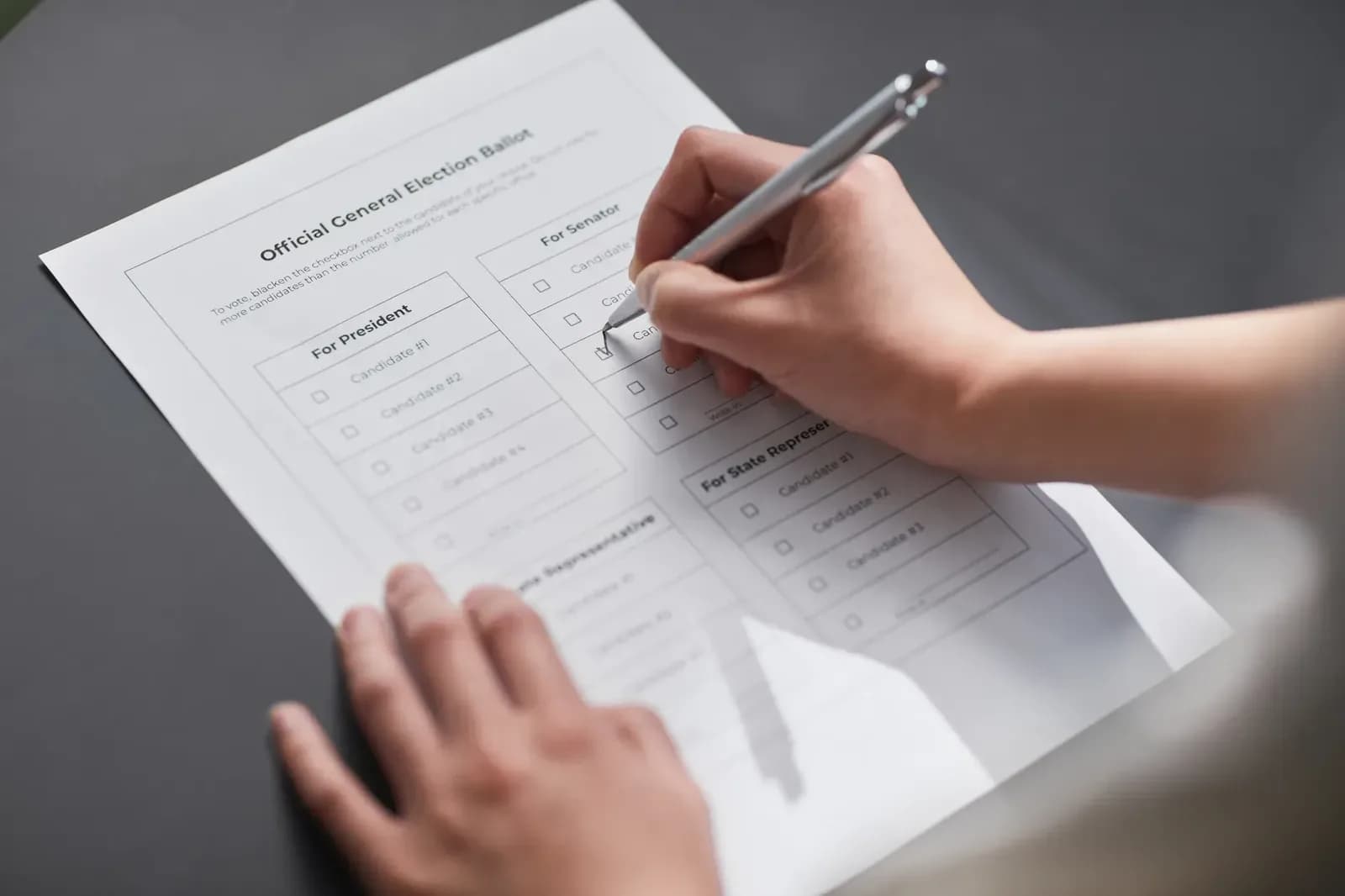
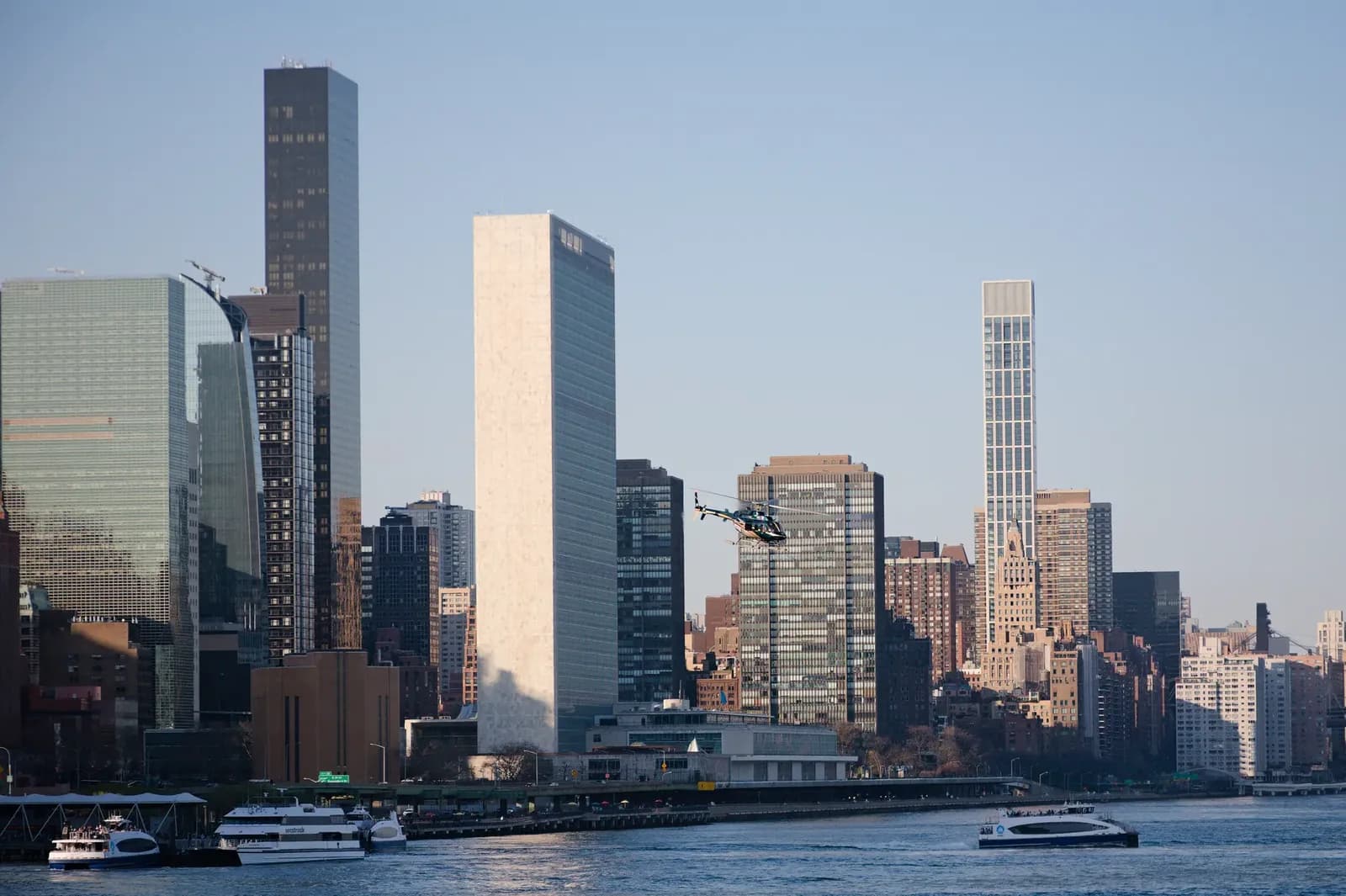
The Security Council held its third informal vote on Friday in New York to move toward choosing the next United Nations secretary general, a contest that reflects broader geopolitical frictions. The ballot was secret and took place behind closed doors, so the individual positions of the 15 council members were not disclosed. Rafael Grossi, the 65-year-old Argentine who directs the International Atomic Energy Agency, finished with five supports, eight rejections and two members recorded as having no opinion. That marked a decline from the previous round, when he had seven supports, six rejections and one abstention.[S1]
The two candidates closest to Grossi fared better. Carolyn Rodrigues-Birkett, a former foreign minister of Guyana, drew nine supports, five rejections and one no-opinion response, improving on her earlier tally of eight, three and four. Rebeca Grynspan, a former vice president of Costa Rica, received eight supports, six rejections and one abstention, up from seven, four and four. Other contenders remain further back, including former Chilean president Michelle Bachelet, former Ecuadorian foreign minister María Fernanda Espinosa, Ugandan diplomat Olara Otunnu, former Senegalese president Macky Sall and former Ecuadorian trade minister Ivonne A-Baki.[S1][S2]
To win at the end of the process, a candidate needs at least nine votes and must avoid a veto from any of the five permanent members: the United States, Russia, China, France and the United Kingdom. The name is then sent to the General Assembly, which in practice usually endorses the recommended candidate. Ten non-permanent members sit on the council without veto power: Denmark, Greece, Pakistan, Panama, Somalia, Bahrain, Colombia, the Democratic Republic of the Congo, Latvia and Liberia.[S1]
Vetoes, Malvinas and a push for a woman
Because the five permanent members must all accept the winner, the race is shaped by global bargaining that often exceeds the candidates' own strengths. President Donald Trump backs Grossi, viewing him as a technical and pragmatic figure suited to an organization the American leader considers inefficient. Although the votes are secret, China and Russia may have blocked Grossi on Friday, as they reportedly did in the second round, possibly joined by another non-permanent member. Britain may also have shifted its stance amid the controversy over the Malvinas, though no information has emerged publicly. Sources familiar with these elections told Clarín that powers often veto candidates at this stage as leverage for negotiations in later, decisive rounds.[S1]
Behind the scenes, talks may cover leadership posts at other agencies, budgets or appointments, as well as pressing global issues such as the Middle East, the war in Ukraine and the debate over artificial intelligence. In an interview with Clarín weeks earlier, Grossi expressed confidence that his candidacy was strong, solid and highly competitive and could attract support from all sides. Complications have since appeared. One was the sudden prominence of the Malvinas question after Trump publicly pressed Britain to abandon neutrality on the sovereignty dispute; Grossi had said he trusted he would have the British vote, which now looks uncertain.[S1]
Another warning sign came from the final resolution of a recent BRICS summit, which noted that no woman has ever been elected UN secretary general and that only one person from Latin America and the Caribbean and only two from Africa have held the post. Highlighting the historic absence of a female leader appeared to signal backing from Russia and China for Grynspan, though it could also be a gesture toward Brazil's Lula, who supports Bachelet despite her slim chances.[S1]
A nuclear diplomat's bid
Argentina formally nominated Grossi for the UN's top job in November 2025. He is a seasoned diplomat specializing in international security and nuclear affairs, having served as Argentina's ambassador to Austria and to the international organizations in Vienna. Since 2019 he has led the International Atomic Energy Agency, becoming the first Latin American to head the body. His main credential for running the UN is his experience leading a multilateral agency through some of the most sensitive geopolitical crises of recent years, particularly those tied to nuclear programs and the war in Ukraine.[S1]
He also brings experience negotiating among powers with opposing interests. Grossi told Clarín that he deals with highly sensitive and delicate matters involving all of them in real time, and described his technical profile as impartial, which he said gives him a distinct capacity to win support. The next rounds are expected later in the year, before the term of current secretary general Antonio Guterres expires.[S1][S2]