Sentiment Sinks on Inflation and Trade Worries
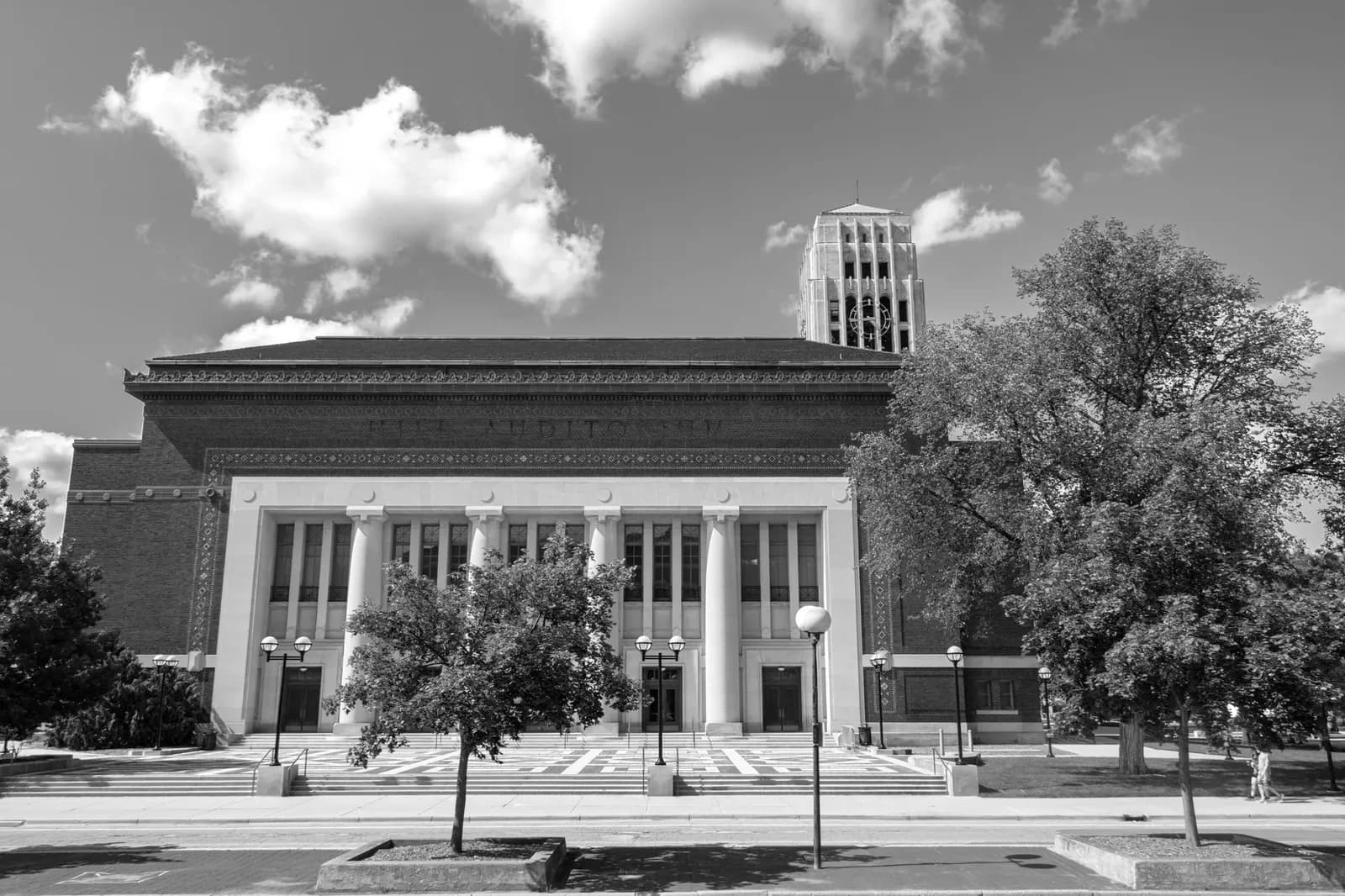
Consumer sentiment dropped this month to its lowest level in four months, according to the University of Michigan. The survey, released on Friday, showed that views of personal finances slumped by about 10%. Worries about persistent inflation, high fuel prices, and renewed U.S. trade disputes weighed on household assessments of short-term business conditions. Joanne Hsu, director of consumer surveys at the university, said interviews revealed broad agreement across the political spectrum that the economic outlook has weakened since the start of the year. Since January, sentiment among Republicans and Democrats has fallen by 20% and 13%, respectively.[S1]
Inflation Expectations Climb
Hsu reported that one-year inflation expectations climbed to 4.6% this month, up from 4% in August. That figure sits well above the 3.4% recorded in February, before the Iran conflict started, and above every reading logged in 2024. Expectations for the longer term edged up to 3.4% from 3.3% in August, topping the 2.8% to 3.2% band seen throughout 2024. According to Hsu, these price pressures may be driving consumers to buy now so their purchasing power does not shrink further. She also said durables buying conditions improved somewhat, partly because shoppers think acting now will shield them from later price increases.[S1]
Spending Defies Gloomy Mood
Even as sentiment weakens, households have not pulled back on purchases. Census Bureau data show retail sales for a broad basket of goods climbed 1.2% in August from the prior month, reversing a 0.5% decline in July. Over June, July and August combined, sales were up 6% versus the same stretch a year earlier. In a speech, Philadelphia Federal Reserve Bank President Anna Paulson observed that while consumer sentiment is weak, the spending figures point elsewhere, noting real consumption growth picked up to a 3.4% annualized pace in the second quarter after a sluggish start to the year.[S1]
Fed Tightens, Signals Resolve
Federal Reserve officials lifted the federal funds rate on September 16 to a 3.75% to 4% range, the first increase in three years. Cleveland Fed President Beth Hammack said Thursday that the inflation picture is deeply uncertain and skewed toward upside risks, pointing to supply shocks tied to tariffs and oil prices. She cautioned that the longer inflation stays elevated, the harder and more expensive it becomes to rein in, noting it has run above the Fed's 2% goal for over five years. Paulson said she has no tolerance for above-target inflation, calling a return to 2% nonnegotiable and pledging to back whatever policy path gets there while weighing labor-market risks.[S1]