A partnership pitched as shelter from global storms
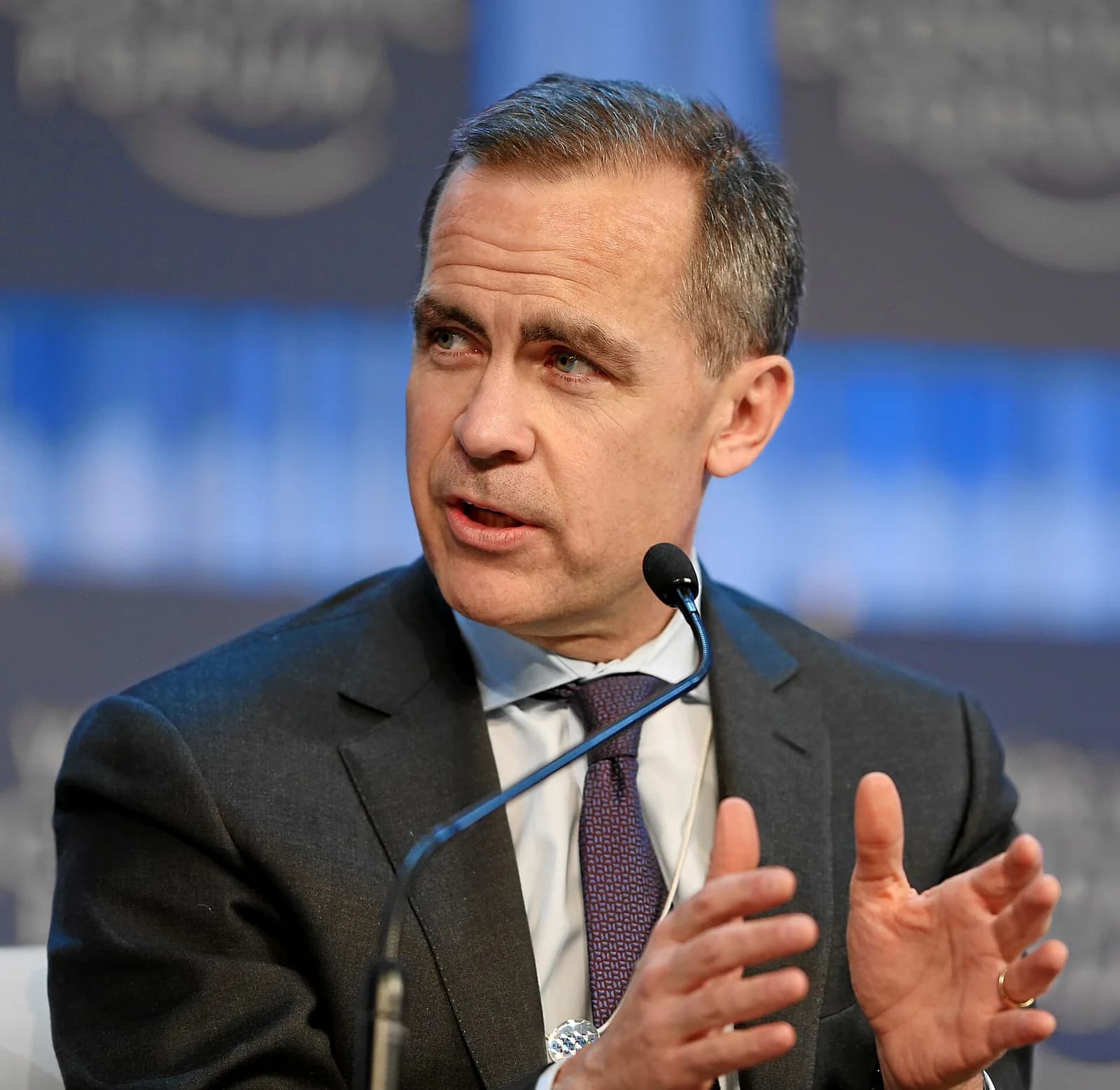
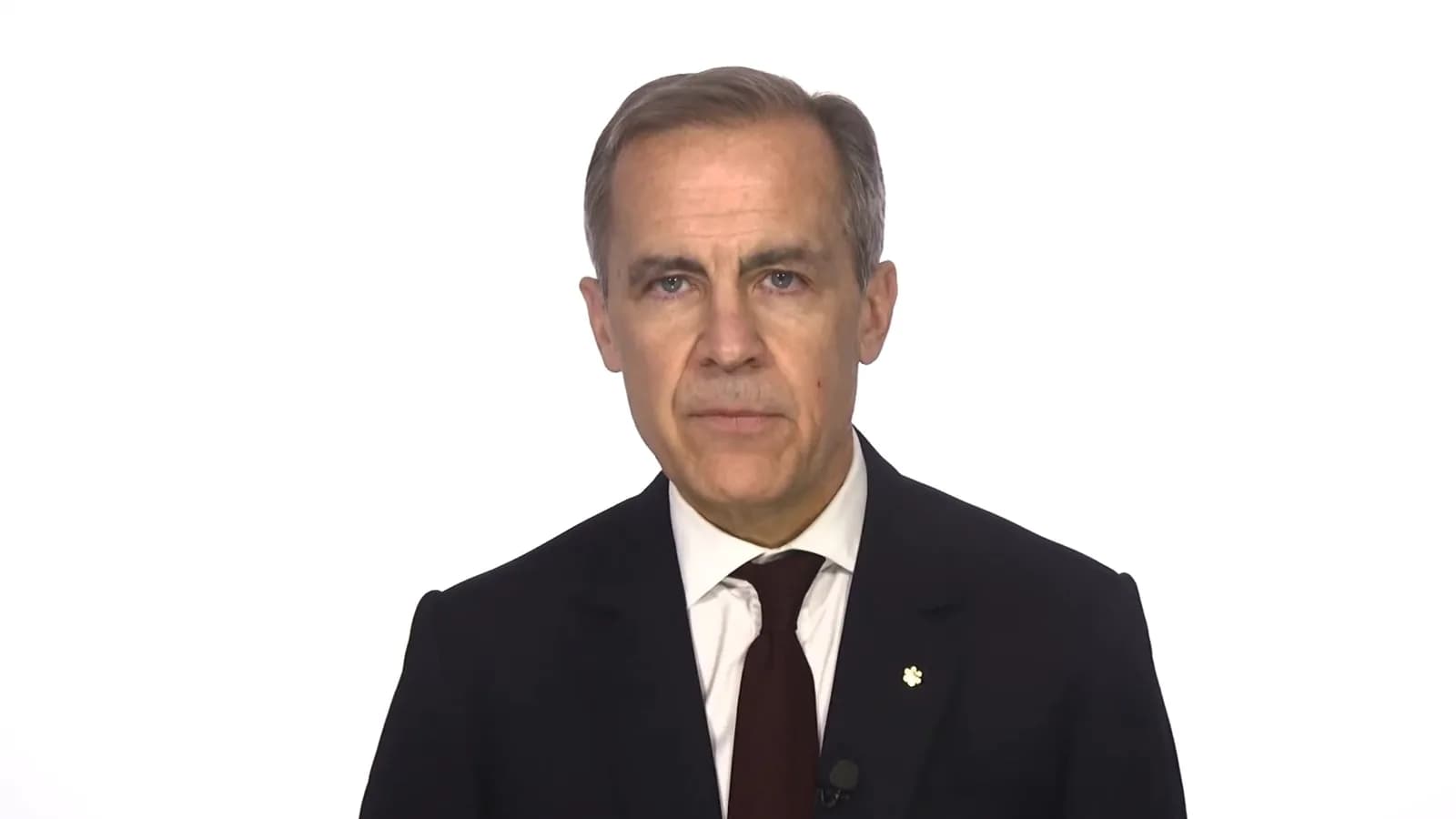
Meeting reporters in Montreal on Friday at the close of a two-day summit, Canadian Prime Minister Mark Carney and European Commission President Ursula von der Leyen presented the Alliance for the Future as a framework open to other nations that share its outlook. They described the bond between Canada and the 27-country bloc as having the capacity to deliver stability and opportunity on a scale not seen before.[S1][S2][S3]
Carney framed the initiative against a backdrop of climate-driven disruption, weakening democratic standards and trade being turned into a coercive instrument. Von der Leyen, for her part, argued that when commerce is wielded as leverage, households absorb the damage, from grocery bills to vehicle prices, and warned that once-trusted suppliers of energy, critical minerals and semiconductors are increasingly being used to exert pressure.[S1]
Ukraine loan, market integration and membership questions
As the summit wrapped up, Canada committed to taking part in a support loan for Ukraine worth €90bn. The leaders also outlined that further talks would aim at a more closely integrated market valued in the tens of billions of dollars, fewer obstacles to trade and travel, and fresh education possibilities on both sides.[S1]
Both sides returned to the idea of Canada obtaining associate membership in the EU, a status von der Leyen acknowledged has no precedent. She said the ambition, trust and creativity exist to define it jointly, and described the arrangement as being about shared strength rather than aimed at anyone else. A clearer outline of the role is expected at a 2027 summit; some member states had resisted the label, with Germany and others working to strip it from a draft statement, though von der Leyen and Carney both used it again in Montreal.[S1]
European Council President Antonio Costa said Canada was the most European of the countries outside Europe, and said the two sides would build the closest, deepest and strongest association the EU has ever had with a non-European state.[S1]
Technology, defence and the American dependence problem
The summit took place as a trade war with Washington pushed Carney to look for fresh partners, while reliance on US firms, defence in particular, has prompted second thoughts in Ottawa. The report noted that Elon Musk slowed Starlink and Starshield speeds over Ukraine in mid-October, disrupting Ukrainian military and defence operations, and that Carney has repeatedly warned Canadian defence technology could be exposed to political actors or companies with conflicting interests. Musk, who holds Canadian citizenship, has criticised the governing Liberals and backed provincial separation.[S1]
Carney cited a planned combination of Canadian AI company Cohere Inc with Germany's Aleph Alpha GmbH as a way to depend less on American AI giants; the merged business would be headquartered in both Berlin and Toronto, and Ottawa has announced a stake in Cohere of up to C$1.6bn. He said Canada would not wait for the future of AI to be settled elsewhere by people it does not know or trust. Brussels and Ottawa also announced that Canada would join Europe's supercomputing network, giving Canadian researchers access to European machines for training AI models.[S1]
Quebec friction overshadows the gathering
The summit itself stirred tension in Quebec, where the separatist Parti Québécois recently took minority power. Premier Paul St-Pierre Plamondon stayed away after Ottawa declined to let him address the event publicly, writing on social media that being allowed to serve shrimp cocktails at a reception was being presented as adequate influence for representing Quebec's interests, and that a head-table invitation amounted to asking the province to fall in line in exchange for better seats at the party.[S1]