Affleck's Warning Against Homogenized Movies
Ben Affleck has cautioned that the poor box office performance of 'Digger' could lead to a wave of homogenized films. Speaking on the Happy Sad Confused podcast this Monday, the actor argued that celebrating the movie's failure might push studios to take fewer risks. He compared the situation to high-school bullying, noting that many critics had not even seen the film. Affleck emphasized that 'Digger' was an ambitious project made by talented individuals, and punishing such risks would result in a slew of bland, homogenized movies.[S1][S2][S3][S4][S6][S7]
In his remarks, Affleck explained that without taking big swings, interesting films cannot be made, and sometimes those swings will look bad. He pointed out that everyone wants to count the money lost, but if movies that take risks are punished, the outcome will be a bunch of homogenized movies. This argument was reported by multiple outlets, including Variety and Entertainment Weekly, which highlighted his defense of the film.[S1][S4][S6]
Box Office Performance and Critical Reception
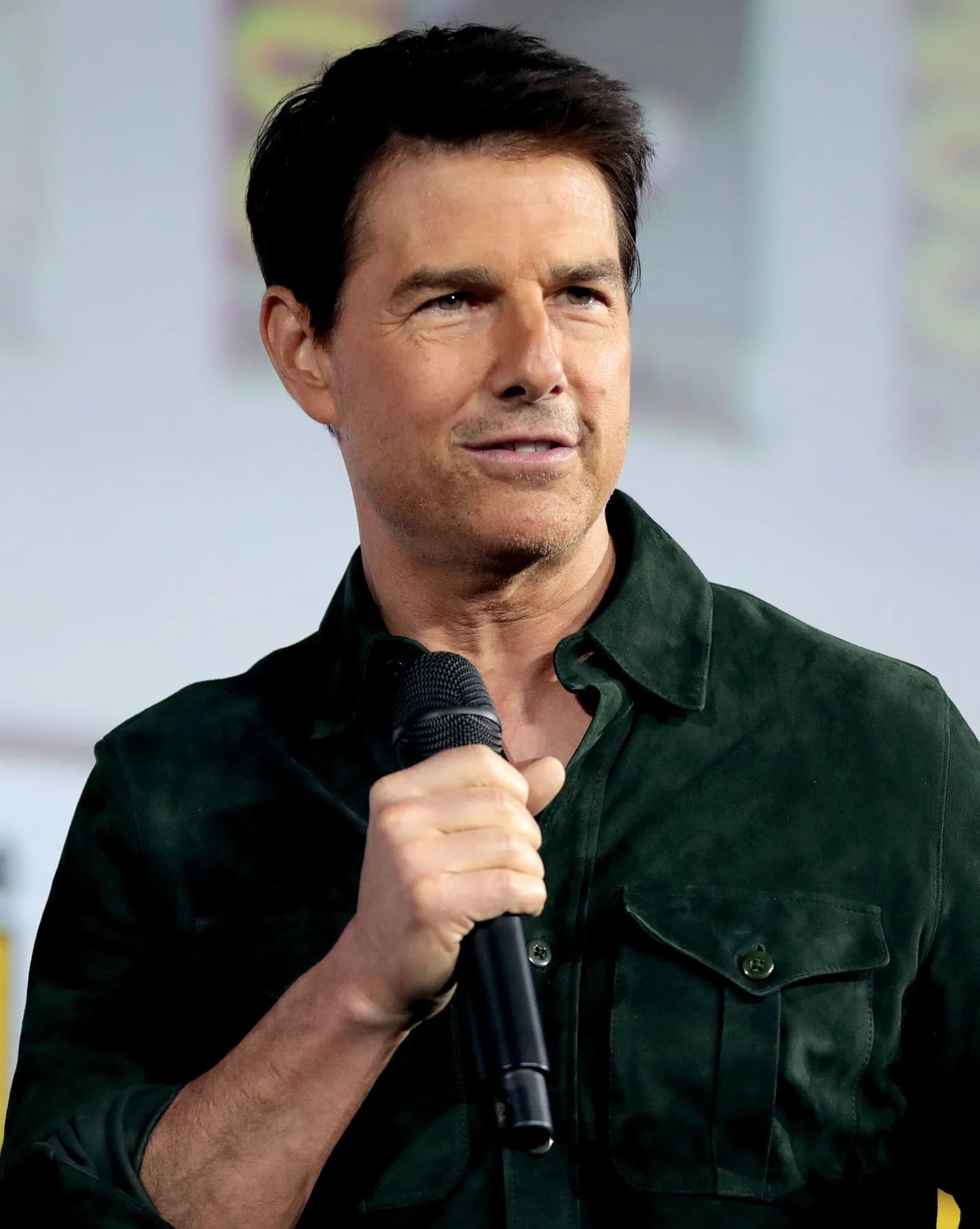
The movie 'Digger' debuted to $8 million in North America and $12 million overseas, a weak showing that has generated a great deal of chatter. Directed by Alejandro G. Iñárritu and featuring Tom Cruise, the film drew a scathing assessment from The Hollywood Reporter's chief film critic David Rooney, who called it a heavy-handed doomsday scenario whose central, unsubtle message is that any late effort to stop global warming amounts to nothing more than political theater. Rooney further faulted Cruise's turn as spectacularly obnoxious.[S1]
Despite the box office struggles, several celebrities have voiced support for 'Digger'. Anne Hathaway, whose film 'Verity' topped the box office in the same opening weekend, gave 'Digger' a perfect score on Letterboxd, calling it brilliant, smart, trippy, aggressive, funny, and ambitious. She encouraged audiences to see it and decide for themselves. Other supporters include Neil Young, as reported by Deadline, adding to the conversation around the film's value versus its commercial performance.[S1][S5]