Brittin's verdict on the AI episode
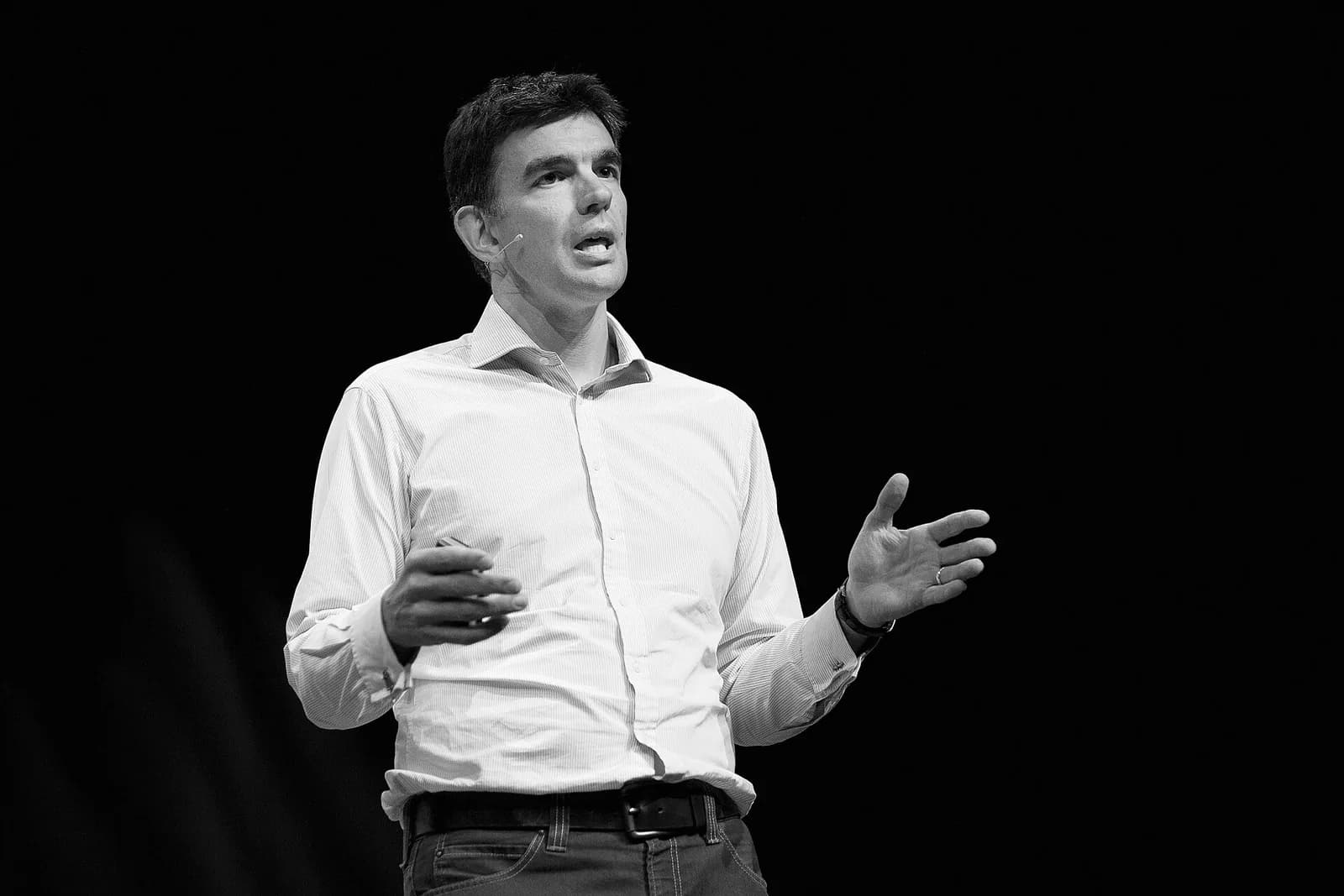
BBC Director General Matt Brittin has watched a 50-minute episode of Doctor Who that was made entirely by artificial intelligence, and he gave it a positive review. Brittin, who previously led Google in Europe, the Middle East and Africa, said someone had sent him the AI-generated installment of the BBC's long-running science-fiction franchise. He described it as pretty good and said it would not replace humans, though he indicated he would return to that point later. His comments came at the RTS London Convention, where he spoke with BBC presenter Kirsty Young.[S1]
Brittin's keynote came just days after he indicated he would allow an AI-produced programme to be made and shown within certain limits. At the convention, he backed Amazon international chief Kelly Day, who had just contended that AI cuts costs, enabling more stories, more varied voices, and more creative gambles. Brittin noted that almost anyone can now produce content close to Hollywood studio quality, conceding the output isn't always flawless but emphasizing that the technology keeps evolving.[S1]
Understand this article deeper
A difficult moment for the BBC
Brittin's RTS Convention appearance, where he took the stage after Amazon's executives and ahead of Channel 4 chief Priya Dogra, unfolded amid a deeply challenging time for the BBC. The broadcaster is pursuing £500M ($662M) in savings, leading to hundreds of job cuts. Channel shutdowns are anticipated as early as later this week, with youth-oriented BBC Three reportedly at risk. Brittin seemed to suggest a linear closure of BBC Three by repeating that when on-demand viewing is weighed against live viewing on certain services, one must consider whether that is the wisest use of licence fee money.[S1]
More broadly, Brittin said he holds daily conversations with people whose jobs are at risk and that he does not underestimate how difficult the situation is. He added that the BBC is there for the same reasons as everyone else and that consolidation has to happen. His remarks place the AI experiment alongside a wider restructuring of the broadcaster, as it weighs which services to keep and which to cut.[S1]