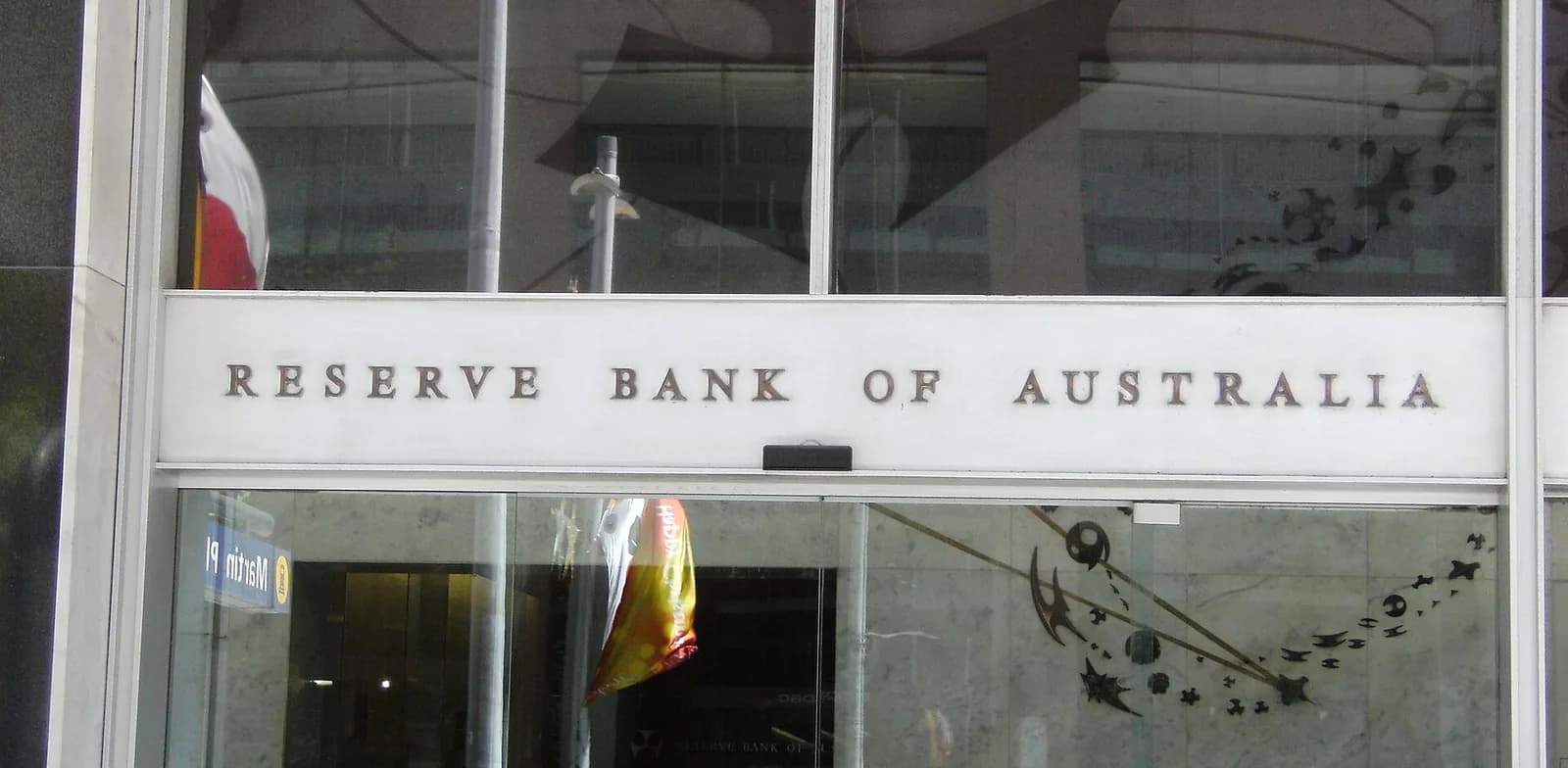
A quarter-point move with a heavy price tag
The Reserve Bank of Australia has raised its benchmark cash rate by 25 basis points, taking it from 4.6% to 4.85%. According to reporting by 7NEWS Australia, that is the highest the rate has been since November 2008, when the global financial crisis was unfolding. It is also the fifth increase the central bank has delivered in 2026.[S1]
For a typical Australian mortgage, the latest decision translates into roughly $120 more in monthly repayments. Added to the earlier increases this year, the average borrower is now facing about $600 a month more than at the start of 2026, a cumulative burden that lands as households are already grappling with a cost-of-living squeeze.[S1]
Inflation remains the target, and the obstacle
The central bank's objective is to pull inflation down into a target band of 2% to 3%. Price growth, however, is still running above 4%, which is why policymakers have kept tightening. The reporting notes that heightened demand from the private sector is one factor the government would point to when accounting for persistent inflation.[S1]
External pressures also feature in the explanation. The report identifies fuel costs and the war involving Iran among the international forces the government would cite. The opposition, by contrast, would place the blame on government spending, framing the inflation problem as one of fiscal policy rather than global conditions.[S1]
Understand this article deeper
Household budgets under pressure on several fronts
Higher repayments are not the only strain. The same reporting notes that gasoline prices have been climbing, adding to the squeeze on household finances. Savings products have also drawn attention in the wake of the decision, with one Australian outlet publishing coverage of savings account rate increases following the cash rate hike.[S1][S2]
The affordability problem extends beyond Australia's borders. The report points to an Australian family that says relocating to Italy would free it from mortgage payments, homeowners facing insurance renewal shocks with little explanation of premium rises, about 150,000 US borrowers whose adjustable-rate payments could jump by $1,080, and a first-time buyer approved for $440,000 who found repayments would absorb half their pay.[S1]