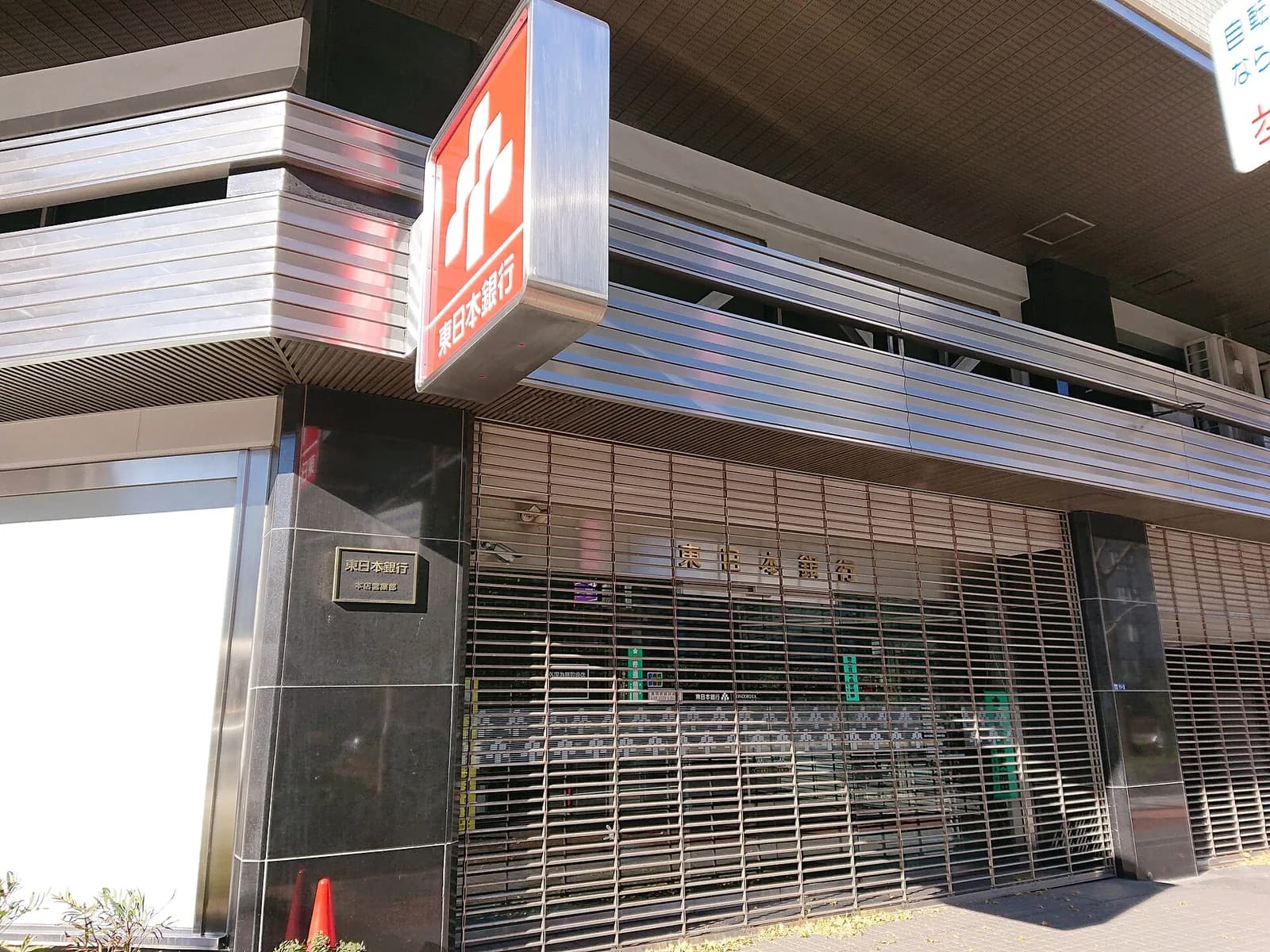
A new phase for Japanese monetary policy
According to minutes released Thursday, a Bank of Japan board member argued during the September monetary policy meeting that the institution had reached a stage where the magnitude of interest rate increases, not merely their timing, warranted discussion. Many participants on the Policy Board judged that inflation could run past the central bank's 2 percent objective and concurred that further tightening should proceed.[S1][S2]
When the BOJ met on Sept. 17-18, it raised the policy rate to 1.25 percent from 1.0 percent. That marked the first hike in three months and the shortest span between increases since March 2024, when the bank concluded ten years of unconventional easing. The move sought to contain excessive inflation driven by costlier oil and a weaker yen, and two board members opposed it.[S1]
Flexibility over a fixed pace
The policymaker observed that the BOJ had moved at a measured rhythm of two increases per year across 2024 and 2025, a period when Japanese monetary policy diverged from that of other major economies. With the United States and Europe recently tilting back toward tightening, the member said the BOJ ought to react nimbly to overseas conditions and deliberate on how large a hike should be rather than locking itself to a set tempo.[S1]
Those remarks imply the central bank may stop confining itself to its customary 0.25 percentage point steps and could vary the scale of increases according to economic and financial circumstances. Even so, most Policy Board members concurred that monetary conditions would stay accommodative following the September move.[S1]
Understand this article deeper
According to one member, lifting rates moved policy closer to the neutral level, where it neither stimulates nor restrains the economy, leaving the BOJ better placed to react nimbly to changes in prices and output. The minutes also captured debate over how the neutral rate and the terminal policy rate should be handled, with a few members noting that rate levels estimated by markets had risen broadly of late.[S1]
Differing views on the next step
On when to tighten again, one member cautioned against excessive hesitancy given the danger of a sharp price increase. Another, who preferred holding rates steady, contended that additional time was necessary to gauge trends in private consumption. At its Oct. 29-30 meeting the BOJ kept the policy rate at 1.25 percent, stating that underlying inflation had generally reached the 2 percent goal after an effort spanning almost 14 years that relied on unconventional easing.[S1]
Markets are increasingly anticipating a further increase at the BOJ's next meeting, set for Dec. 17 to 18.[S1]