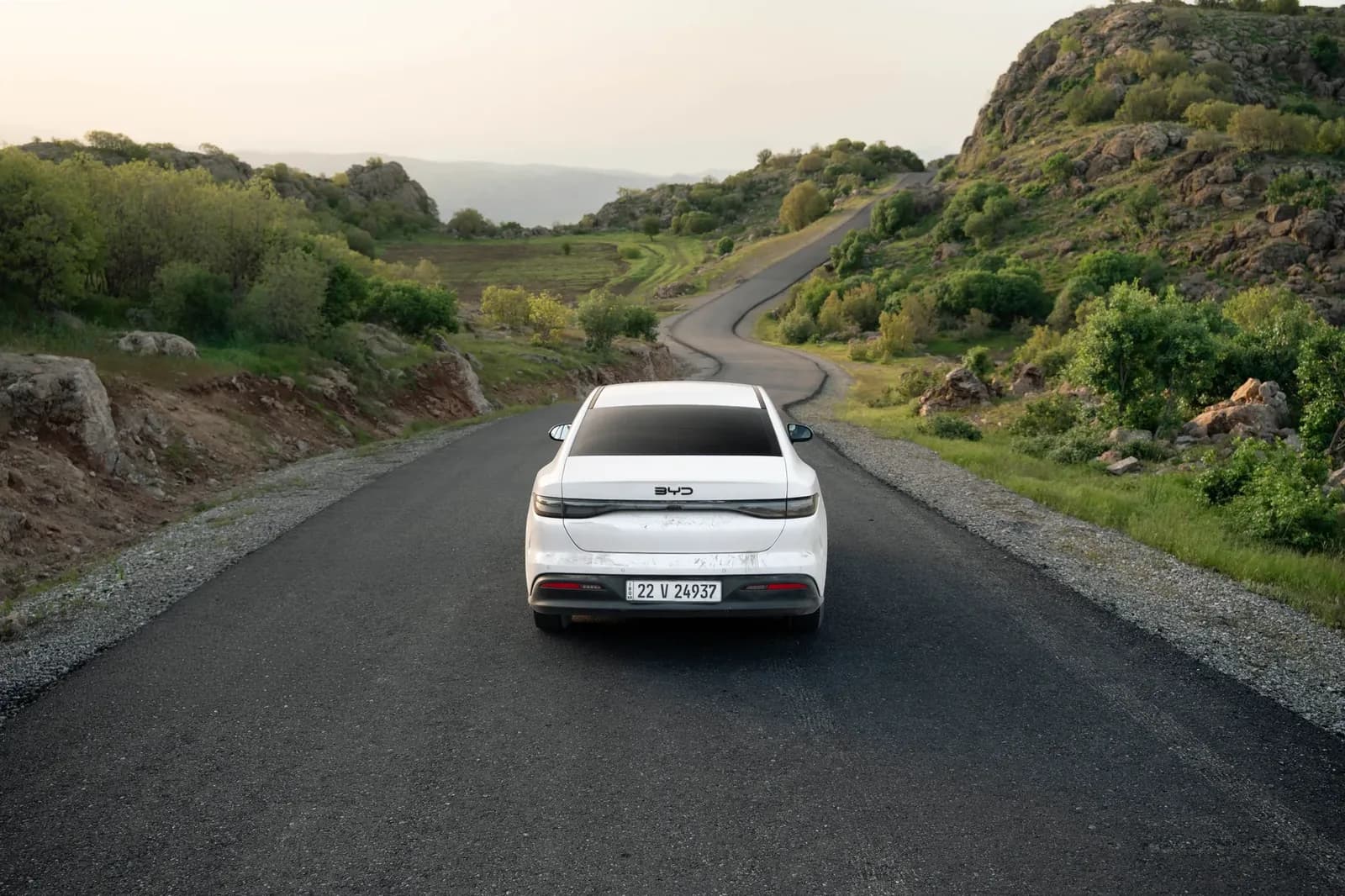
The BYD effect: how cheap EVs are blunting the oil shock
Electric vehicle sales in Australia are climbing rapidly, and the shift is doing more than cutting fuel bills. According to Chris Dickman, a senior portfolio manager at Australian Ethical, the influx of low-cost Chinese EVs is creating an unexpected disinflationary effect. He calls it the BYD effect, pointing to the affordable Chinese cars that are helping drivers spend less on petrol and bringing down the cost of new and used vehicles. As more consumers try to disconnect from the oil shock, the EV boom is softening the broader economic impact of high oil prices.[S1]
The obstacles that once held back EV adoption in Australia are fading as the market matures. High sticker prices, sparse charging networks, expensive insurance, and costly servicing, battery and parts replacements are all reversing. The NRMA's car ownership report found that at least five EVs are now priced around or below $30,000, and all of them are Chinese brands. This affordability is helping to accelerate the transition beyond just fuel savings.[S1]
Fuel prices and the accelerating shift to electric
Demand for electric and hybrid vehicles picked up in March as the US-Israel conflict with Iran sent oil prices climbing, and that trend has mostly held. Federal Chamber of Automotive Industries figures show battery EVs account for close to a quarter of new vehicle sales. Roughly half of new sales are EVs or hybrids, and more EVs than petrol-only cars were sold last month. In September, Chinese-focused brands BYD, GWM, Chery, Geely and MG were all among Australia's ten best-selling automakers, unlike three years ago when MG was the only one.[S1]
Australian Institute of Petroleum data shows diesel has climbed above $2.80 per litre at numerous service stations, while unleaded exceeds $2.40/L across most state capitals. Those steep fuel costs are weighing on the Australian economy, driving up expenses for almost every good and service and counteracting the disinflationary benefits of shifting to EVs. The Reserve Bank raised its key rate last month to 4.6%, the highest since 2011, and cautioned that more increases could follow as the ongoing Iran conflict keeps prices elevated over the long term.[S1]
Electrifying freight: the next step to protect against oil shocks
Adam Triggs, a co-founder of economics consultancy Mandala Partners, said electrifying freight networks that rely on diesel is the next move needed to shield Australia from oil shocks. He pointed out that light commercial vehicles already offer a total cost of ownership highly competitive with fossil fuel models, making them likely to electrify first. Triggs added that government support could help cover the upfront expense of electrifying freight, since costs drop sharply once critical mass is achieved and the market then takes over.[S1]