A unanimous vote after four hours of debate
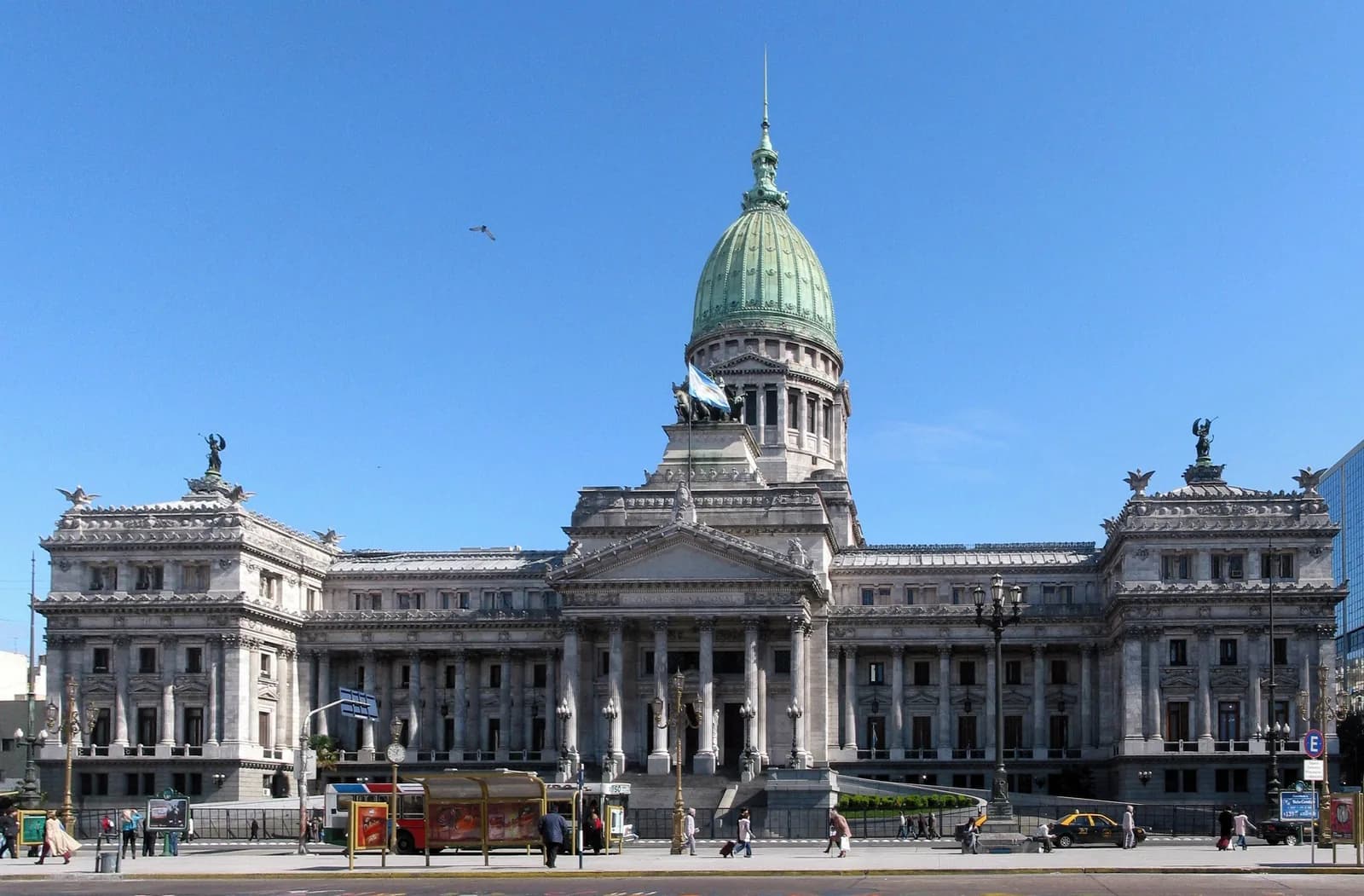
The Argentine Senate turned the disability bill into law on Thursday with 71 affirmative votes, no rejections and no abstentions. The only absence was the Peronist senator Anabel Fernández Sagasti, who is on maternity leave. The session ran for more than four hours, and the text arrived from the Chamber of Deputies with broad backing and was passed without amendments.[S1][S2][S3]
The new statute is formally titled the Law of Strengthening, Sustainability and Permanent Efficiency of the Disability System. It retires the emergency framework, whose expiry was set for December 31, and installs a stable regime that keeps pensions, medical coverage and the updating of payments to service providers. Because the bill was not altered in the upper chamber, it did not have to return to the chamber of origin.[S2][S3][S6]
What the law keeps and what it changes
The text carries over nearly the entire benefit structure of Law 27.793, the emergency statute, while removing its temporary character. The non-contributory disability pension remains at 70 percent of the minimum retirement benefit and continues to move with pension mobility. Beneficiaries may hold a formal job or register as monotributo taxpayers without automatically losing the payment, provided individual net income stays below two minimum, vital and mobile wages.[S2][S3][S6]
The Unique Disability Certificate stays in force, and the single nomenclador of services is preserved, with provider fees updated periodically and automatically in line with the pension mobility index. Health coverage continues through the Incluir Salud program. The law also sets access requirements: applicants must present their national identity document, prove the certificate, and be native-born, naturalized or, for foreigners, hold at least five continuous years of legal residence.[S3][S5][S6]
On financing, the Executive must present a payment schedule within 30 days of the law taking effect and regularize outstanding compensation to professionals and institutions within a maximum of 90 days. The Economy Ministry specified the budget lines to fund the system and agreed to withdraw a chapter of the 2027 Budget that had imposed a sharp adjustment in the disability area. The Congressional Budget Office puts the fiscal cost at 0.4 percent of GDP for 2027, while Senator Agustín Monteverde estimated 1.2 trillion pesos for 2028 and around 278.3 billion pesos in pending compensation to providers.[S1][S2][S4]
Tension inside the ruling coalition and the shadow of a veto
The approval came after weeks of friction within the governing bloc. Patricia Bullrich, head of the La Libertad Avanza caucus, signed the committee opinion without changes even though parts of the government asked her not to, and Economy Minister Luis Caputo tried to hold the bill back until the end. According to sources around the senator quoted by Perfil, the argument was that the bill had left the lower chamber with more than 230 votes and that any modification would have forced it back there, jeopardizing approval within the ordinary session ending November 30.[S2]
The bill's path had been tortuous. Congress passed the emergency law in early 2025, President Javier Milei vetoed it, and both chambers mustered the two-thirds needed to insist. The Executive then promulgated the norm but suspended its application until funding sources were defined, and only a court ruling forced it to be regulated in February of this year. With the emergency due to lapse in December, the opposition placed an extension on the parliamentary agenda and forced debate in committees, prompting the ruling party to present its own bill, which it described as an improvement.[S1][S3]
Opposition criticism and the Pope's visit
The opposition argued that the government's shift, from vetoing the emergency law to promoting a replacement, was driven by polling and by pressure generated by Pope Leo XIV's visit to the Don Orione care home. Alejandra Vigo, of Provincias Unidas, called the lower chamber's half-approval a miracle brought about by the papal visit, while Beatriz Ávila, of the Independencia bloc, said Congress had lacked the strength to break the government's insensitivity and stubbornness.[S1]
Peronist senators were harsher. Martín Soria said the Executive's sudden interest stemmed from its desire for Milei's reelection and from reading the polls. Juliana Di Tullio, of the Kirchnerist camp, challenged official claims about fraudulent pensions, citing a Cabinet Office report according to which 91 percent of the 1.4 million pensioners were summoned, 112,000 pensions were suspended and the same proportion had to be restored, leaving 141 suspensions. She described the state as useless or cruel, and said she believed it was both.[S1]
Patricia Bullrich defended the bill as a source of certainty, arguing that leaving an emergency behind removes uncertainty and brings transparency, predictability and stability to families that spent two years in dispute. She acknowledged that neither the ruling party nor the opposition had been entirely right, saying the law sits close to the middle of the emergency law's budget and that nobody held the whole truth, while insisting the decisive difference is that it states clearly where each peso will come from.[S1][S4]