The adhesions system is removed from the bill
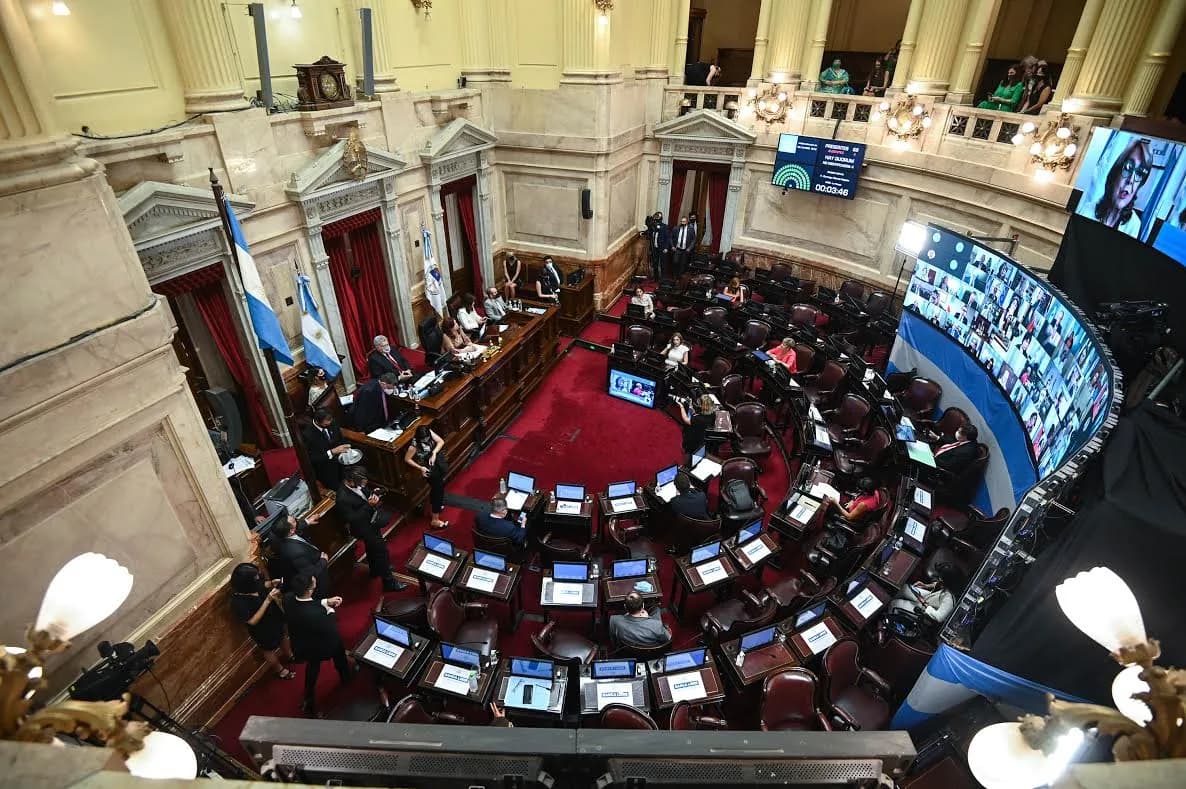
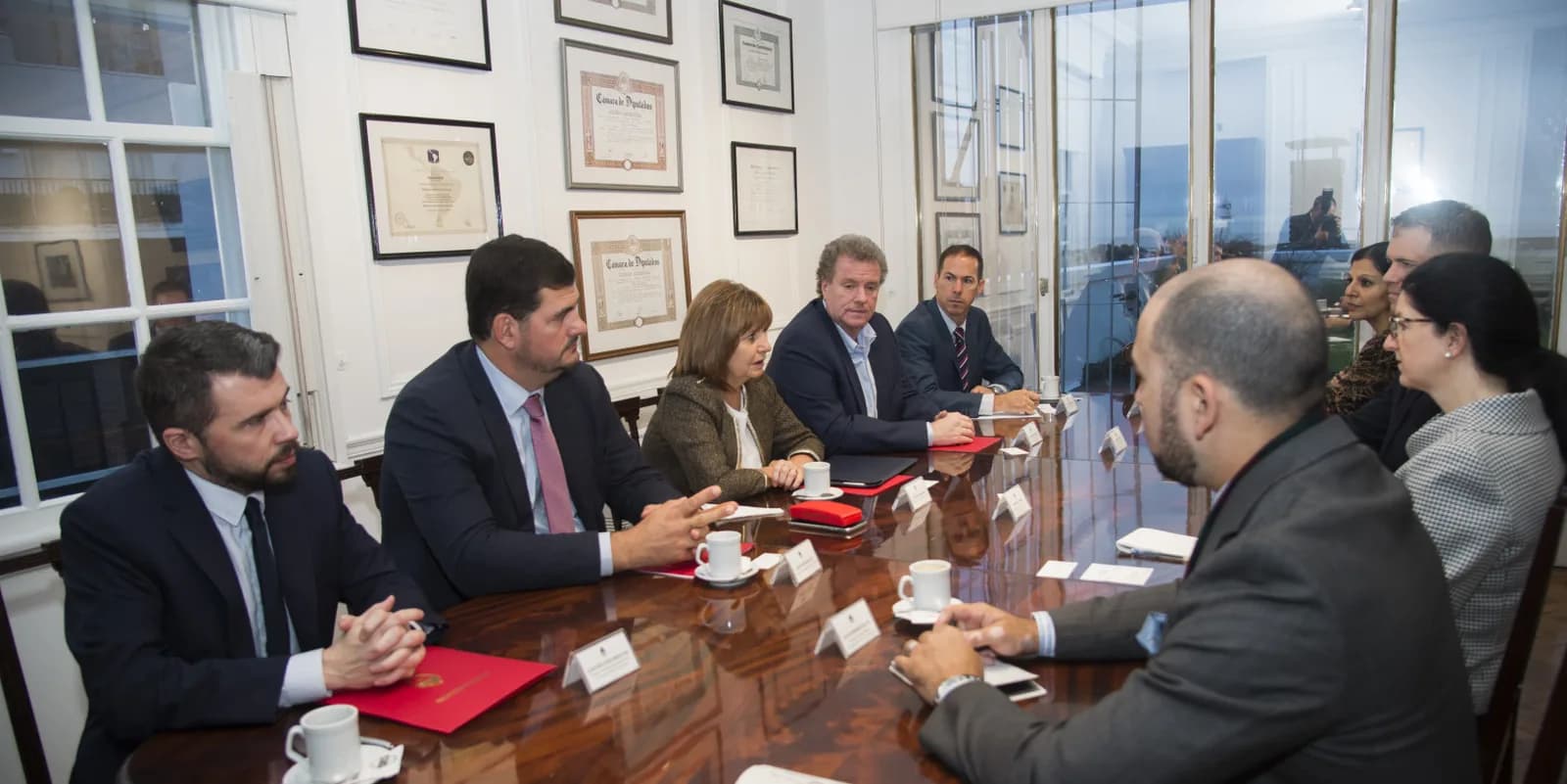
The Argentine government reversed course and stripped the parallel-list system, known as colectoras, from its electoral reform bill, which would suspend the PASO primaries for 2027. Patricia Bullrich, the head of the ruling libertarian bloc, announced the decision as the Senate Constitutional Affairs Committee resumed its second meeting. Lawmakers then moved into a fresh recess until 16:30 so the text could be finished.[S1][S2]
Bullrich said the ruling party had reviewed and consulted on the previous day's discussion and the proposed changes to the electoral system, and had decided to leave the adhesions mechanism out of the committee report. The original executive branch bill, sent in April, had allowed district groupings without national candidates to attach themselves to a national list, appearing in the same strip of the single ballot, with national parties able to do the same where they fielded no local candidates.[S1]
The government had floated colectoras in negotiations with Radical governors as a way for legislative lists in districts without an agreement to run under Javier Milei's umbrella. The idea built bridges with some governors but wrecked accords with others, notably the PRO, which has long opposed the maneuver and feared being left out under that format. Alejandra Vigo of Provincias Unidas said she backed suspending the PASO but called colectoras unconstitutional and described the rest of the bill as an emergency electoral law for Milei.[S1][S2]
With colectoras gone, no one claims ownership of the proposal. The government says Radical governors requested it, while the UCR insists it came from the Menem camp. Bullrich confirmed the bill keeps the D'Hondt proportional representation system that has historically defined Argentine elections.[S1]
Other changes: simultaneity, funding, bans and advertising
The committee report adds provisions on electoral simultaneity, allowing local categories such as governors and provincial legislators to appear on the national single ballot when provincial and national elections fall on the same day. On free electoral advertising in media, the bill keeps it rather than abolishing it and making each party pay from its own funds, but cuts it. Bullrich said the ruling party considered it invasive yet decided to retain half of it, meaning half the radio and television spots.[S1]
The text also amends article 71 of the Electoral Code to eliminate the commercial ban, the restrictions on commercial, cultural and social activity during election days. It likewise proposes ending the media ban. Bullrich argued that with social networks the ban makes no sense, saying the country pretends not to talk and ends up talking in encrypted form.[S1]
On private financing of political parties, the government changed course as well. The original bill would have raised the maximum contribution from a single individual or company from 2% to 35%; the committee report keeps the current 2% cap. The text retains the Ficha Limpia provision from the original version, barring people with convictions upheld on second instance from running for office.[S1]
The vote count behind the retreat
The ruling party needed the signatures of 10 of the committee's 19 senators to issue the report but had only eight secured: the six ruling-party senators plus Radicals Eduardo Vischi and Rodolfo Suárez. Five senators were undecided: Camau Espínola of Corrientes, Radical Flavio Fama of Catamarca, Beatriz Ávila of Tucumán, Carolina Moisés of Jujuy and Alejandra Vigo of Córdoba. Ávila had orders from Governor Jaldo to vote against, and Moisés answers to Salta's Gustavo Sáenz, who said he agrees with suspending the PASO. The government was counting on winning over Espínola, Moisés and Fama.[S2]
Dropping colectoras revealed that the ten signatures were not there to issue the report, let alone the 37 votes needed to pass the bill on the floor. According to the Casa Rosada, colectoras had been a request from Radical and other dialogue-minded governors seeking to ride Milei's candidacy in 2027, yet the allies themselves are now assumed to have rejected the idea. The open question is whether it was always a national government plan to strengthen the ruling party's ballot and make allies bear the cost.[S2]
Diego Santilli's Cabinet Office said the removal of colectoras was its own decision because it already has the votes to suspend the PASO without that point. That claim has been made for some time by Santilli's circle, but it clashes with the evidence that the committee had not even been convened until the day before. Had the votes existed, no one can explain why a session was not called earlier.[S2]