A budget rewritten mid-year
The national government has overhauled the 2026 budget through Decree 1391/2026, a measure carrying the signatures of the president and every cabinet minister. It permits spending increases of about 15.6 trillion pesos for the remainder of the fiscal year and lowers the surplus projected for year-end by roughly 7.5 trillion pesos.[S1][S2][S3]
A review of Annex Sheet I, which runs to 564 pages, shows the increase equals 10.2% of the budget credit previously in force, estimated at 152.47 trillion pesos. The change was prompted by a wide gap between the macroeconomic assumptions used to draft the budget and the economy's actual path.[S1][S2][S3]
The official plan assumed annual inflation near 18%, but accumulated and projected price growth for 2026 now sits around 33%. That gap left several budget lines short of what was needed to cover wage, pension, operating and financial commitments.[S1][S2][S3]
In the decree's recitals, the executive branch argues that budget credits must be adjusted so the state can keep delivering essential services and meet commitments already assumed by the national administration. It says various jurisdictions reported insufficient credits and requested reinforcements after spending exceeded original forecasts.[S1][S2][S3]
Revenue lags behind the new spending
Current and capital resources rise by about 8.1 trillion pesos, well below the expansion in authorized spending. The resulting gap of nearly 7.5 trillion pesos translates into an equivalent reduction in the fiscal result expected at year-end.[S1][S2][S3]
Calculations based on budget execution put the surplus originally projected for 2026 at around 26.4 trillion pesos. After the decree, that cushion would fall to roughly 18.9 trillion pesos.[S1][S2][S3]
The correction matters because the public sector had accumulated an estimated positive result of about 33.2 trillion pesos as of November 16, suggesting that a significant share of the additional spending will be concentrated in the final weeks of the year.[S1][S2][S3]
PAMI and debt interest take the largest shares
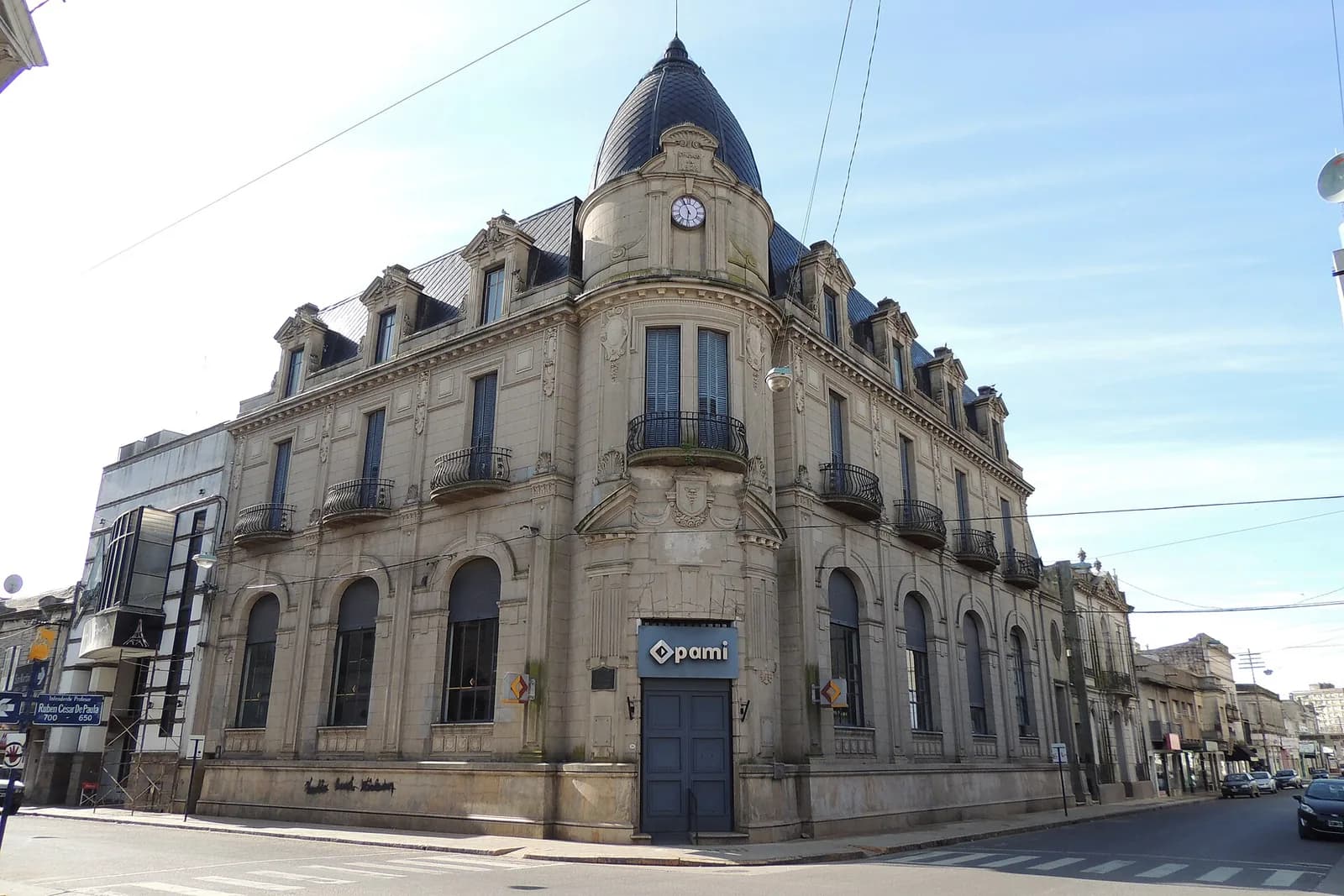
The biggest single increase in the annex goes to transfers for the National Institute of Social Services for Retirees and Pensioners (PAMI), which operates under the Ministry of Human Capital. The line receives close to 10 trillion pesos, making it the main destination of the additional credits authorized by the government.[S1][S2][S3]
That reinforcement alone accounts for a substantial part of the entire budget expansion and reflects the pressure that faster inflation placed on services for the retiree and pensioner system.[S1][S2]
The second-largest increase goes to the Public Debt Service, specifically the line covering interest and commissions, which receives about 3.9 trillion pesos more. The size of the addition confirms that a relevant portion of the revision is tied to the state's financial cost and to obligations that exceeded original forecasts.[S1][S2][S3]
Specific health and security programs also receive reinforcements. The Bicentennial High-Complexity Hospital Esteban Echeverría, under the Ministry of Health, gains close to 0.8 trillion pesos for its operations, while the National Gendarmerie receives about 0.2 trillion pesos more for its program investigating complex crimes and anti-drug operations.[S1][S2][S3]
The main cut and what the figures mean
The counterpart to the increases appears in the Economic Services category, where the decree reduces credits by approximately 2.3 trillion pesos. The cut is one of the largest adjustments in the sheet and shows resources shifting from economic programs toward areas the government treats as priorities for closing the year, such as social benefits, health, security and financial obligations.[S1][S2][S3]
Beyond the size of the numbers, the revision suggests the decree's main purpose is to align the budget with an economy that ended up recording inflation significantly higher than forecast when the spending and revenue law was approved.[S1][S2][S3]
The 15.6 trillion peso expansion does not necessarily mean an equivalent increase in real spending. To a large extent it reflects the need to update budget lines against nominal values that evolved far beyond official estimates, and because it is an authorization for more spending, it may also be under-executed.[S1][S2]