Buenos Aires Rejects Threats Against the IAEA Chief
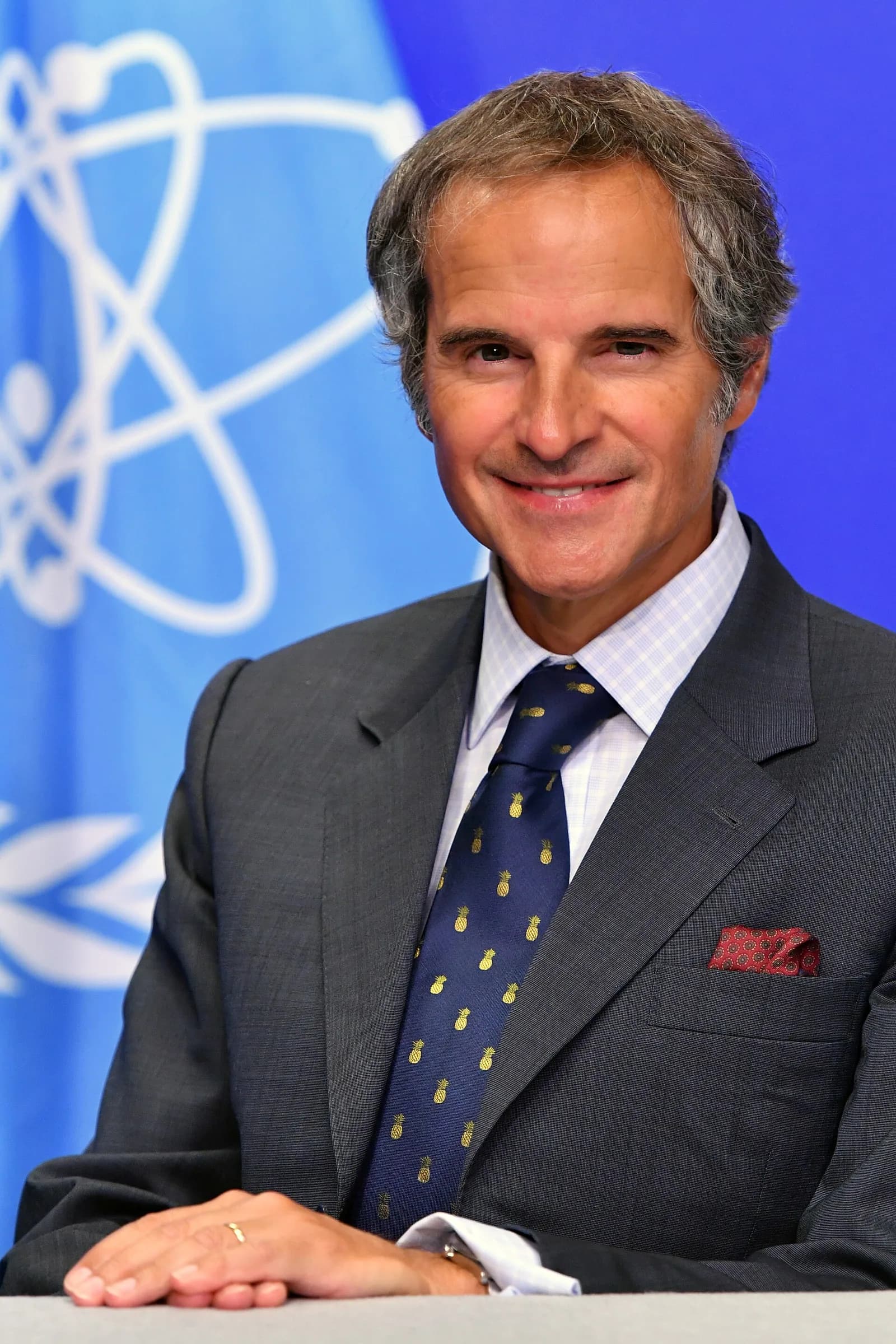
The government of Javier Milei condemned on Sunday the threats and intimidation directed at Rafael Grossi, the Argentine director general of the International Atomic Energy Agency and a candidate to lead the United Nations from next year. In a statement circulated on social media, the Foreign Ministry voiced the country's strongest rejection of the warnings and called on Iranian authorities to cease all threats or intimidation against Grossi and agency personnel at once.[S1][S2][S3][S4][S5][S6][S7][S8]
The ministry described any threat against an international official for performing his duties as unacceptable and reiterated firm support for Grossi, along with the independence, impartiality and integrity of the IAEA. It also recalled that Argentina had already voiced its rejection of similar intimidation in June 2025. Foreign Minister Pablo Quirno shared the statement, which also urged Iran to fully respect the independence and safety of those working for the organization.[S1][S2][S3][S4][S5][S6]
What Prompted the Warning From Tehran
The confrontation began after Grossi pressed Iran to restore cooperation with UN inspectors so they could verify that its nuclear program serves exclusively peaceful purposes. Speaking at a quarterly meeting of the IAEA Board of Governors in Vienna, he warned that months without information about the program were harmful to both Washington and Tehran, since Iran could not offer guarantees of transparency. He also argued that leaving the Treaty on the Non-Proliferation of Nuclear Weapons, as some Iranian political figures have proposed, would not be a wise course.[S1][S2][S3][S4][S5]
On Saturday, Mohammad Reza Naghdi, an adviser to the commander of Iran's Islamic Revolutionary Guard Corps, accused the Argentine diplomat of acting in Israel's favor and issued a warning that Grossi would receive what he deserved, without specifying what measures might follow. Another Revolutionary Guard official also criticized Grossi's role, asserting that he is Israeli and answers to no law or regulation.[S1][S2][S3][S4][S5]
Inspections Halted Since the 2025 Strikes
Since June 2025, Israel and the United States have repeatedly struck Iran's main nuclear facilities, arguing they were preventing an alleged Iranian plan to build atomic weapons. Tehran has since barred IAEA inspectors from the damaged sites on security grounds, allowing access only to the Bushehr nuclear plant in southern Iran, which was not attacked. According to figures cited by Grossi, Iran held roughly 440 kilograms of highly enriched uranium before those strikes, and the agency has been unable to verify what became of the material or its current condition.[S1][S2][S3][S5]
A Wider Diplomatic Rift Between Argentina and Iran
The threats add to a sharp deterioration in relations between Buenos Aires and Tehran. Days earlier, Iran's Foreign Ministry designated Argentina's Navy and Air Force as terrorist organizations, invoking a principle of reciprocity and a 2019 law that allows retaliation against states that label its military forces as terrorist groups. Tehran called the Argentine move a hostile measure.[S1][S2][S3][S6]
That step followed Argentina's decision in March to classify the Revolutionary Guard, the Islamic Republic's ideological army, as a terrorist organization, a designation that opens the way to financial sanctions and operational restrictions. The Iranian Foreign Ministry said its reciprocal measure was grounded in the 2019 legislation.[S1][S2][S3][S6]