Kyiv says capped links leave interceptors behind
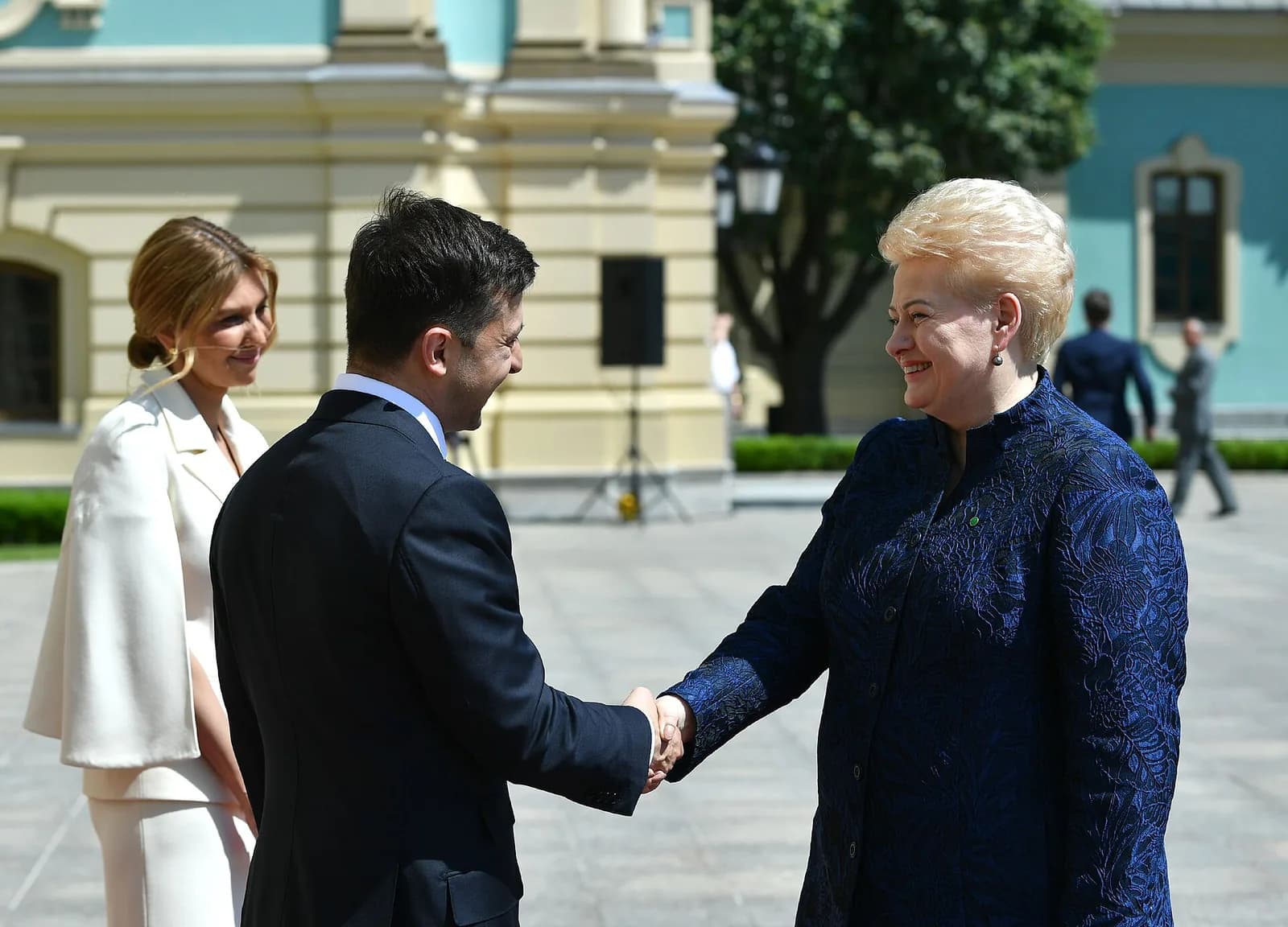
Ukraine's president has publicly called on the American government and Elon Musk to remove limits on how fast the Starshield network can operate, describing the current settings as too slow for the country's defences. He said Kyiv is relying on those caps being dropped, and that safeguarding civilians and the power system before winter hinges on it. He added that he had instructed officials to coordinate as closely as possible with Washington and with Musk's company, and argued that the moment calls for standing on the right side of history.[S1][S2][S3][S4][S5][S6]
The system at issue is a military-grade variant of Starlink, owned by Musk and supplied to Ukraine by the US government, while the ordinary Starlink service handles battlefield communications. According to Zelensky, Ukrainian interceptor drones break contact with their operators once they reach about 161km/h, which means they cannot close on Russian jet-powered Shaheds, the drones built to an Iranian design. He said the speed restrictions remain in place along the front line and in temporarily occupied areas.[S1][S8]
The president said on Friday that limits of roughly 100mph had been applied since Monday, but only in Russian-held areas rather than across the whole country. He argued that this already carries political weight, because imposing restrictions in those territories amounts to partly treating them as no longer Ukrainian. The speed problem was first spotted in October, and it produced contradictory explanations from Musk and US President Donald Trump.[S1]
Musk attributed responsibility to the US government, saying Starshield is under its control, while Trump rejected that and said he had told the billionaire to restore the service. Matters appeared to settle within a week, yet Ukraine later said the restrictions were still being applied. The connection troubles overlapped with a sharp diplomatic clash between Zelensky and Trump over Ukrainian strikes on Russian oil infrastructure, which Trump said had driven global prices up.[S1]
Strikes hit power and rail sites as winter nears
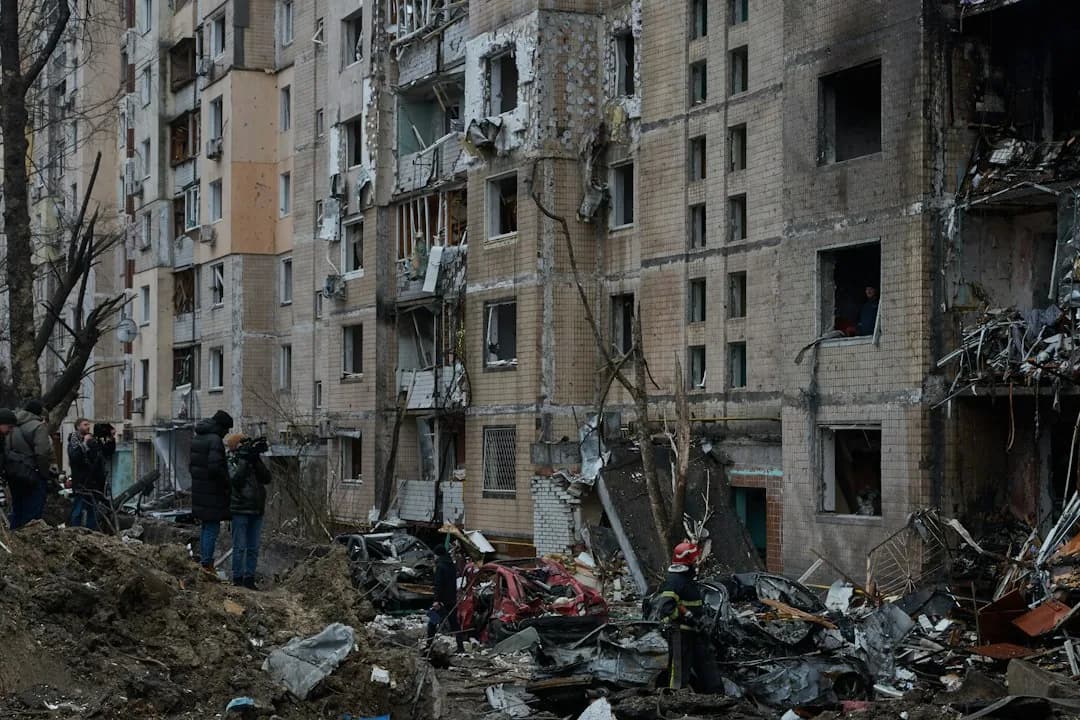
Russia attacked energy infrastructure in Zaporizhzhia and in the Sumy, Odesa, Zhytomyr and Kirovohrad regions overnight and into Sunday morning, according to Ukraine, and also struck railway facilities in the Dnipro, Kharkiv and Zaporizhzhia regions. Many people were reported hurt in those attacks, along with two in the Donetsk and Kyiv regions. Vyacheslav Chaus, the governor of Chernihiv Region, said two people died when an infrastructure facility in Mena was hit, and he reported further strikes on energy sites across the region.[S1]
According to Ukraine's military, its troops hit an oil refinery and a petrochemical facility in Nizhnekamsk overnight on November 15; the city lies in Tatarstan, a republic in central Russia. Both sites were characterized as businesses that provide fuel and raw materials for Russia's war effort. Yuri Slyusar, the Rostov region governor, reported that separate Ukrainian attacks killed one person in Taganrog, an industrial port close to the border. Leonid Pasechnik, installed by Moscow to lead the occupied Luhansk region, said an elderly woman and a lorry driver died there.[S1]
Kyiv has likewise been short of Patriot interceptors made in the United States, which it uses against Russian missiles; Moscow has taken advantage of this shortage by intensifying strikes on Ukrainian targets. In a separate development, Estonia said it would shut its border crossings with Russia starting December 1, following a suspected sabotage attempt targeting a defence firm. Eight people were held over an attempted arson attack on Threod Systems, a drone manufacturer, and Estonian authorities attributed the operation to Russia's GRU military intelligence; Moscow has not commented. Foreign Minister Margus Tsahkna said Russia must grasp that hostile acts against Estonia bring consequences.[S1]