A secretive gathering with a public purpose
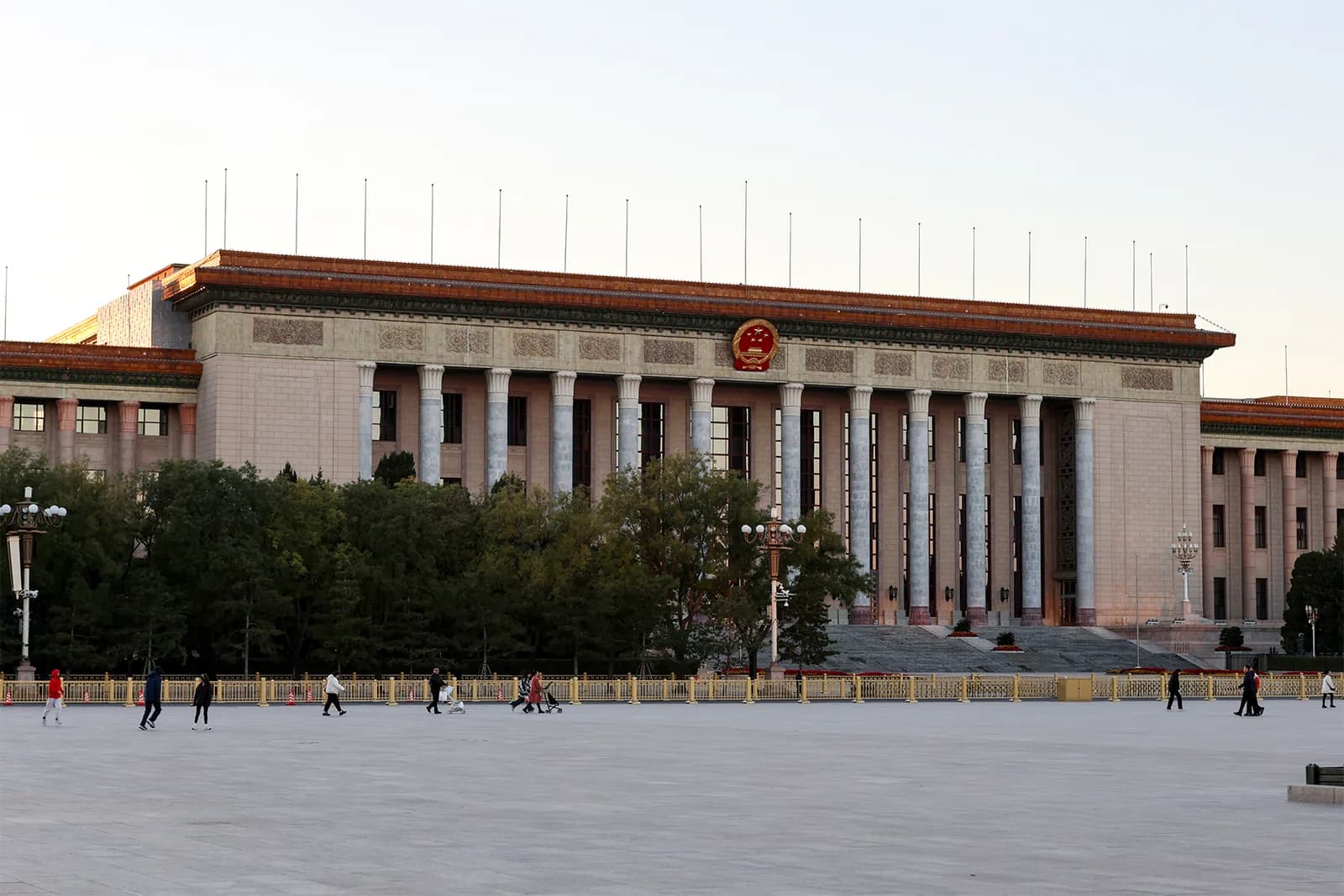
Senior figures in China's ruling Communist Party are meeting in the capital for the Fifth Plenum, a four-day session that began on Monday and is due to finish on Thursday. Roughly 300 members of the Central Committee are taking part. The venue has not been disclosed, though earlier plenums have been held at Beijing's Jingxi Hotel. State media indicated the gathering would prepare the ground for stricter discipline within Party ranks.[S1][S2][S3]
Plenums are closed-door meetings of the Central Committee held at least once a year, usually seven across each five-year term. They matter because they signal the leadership's priorities to the outside world. This year's timing is notable: it falls one year before the next Party Congress, at which fresh priorities are set and a new Central Committee is named. Officially the Central Committee picks the top leadership, but the real selection process stays hidden among the Party elite.[S1][S4]
Consolidating power ahead of the Congress
The next Party Congress is almost certain to hand Xi another term, since term limits were abolished. Earlier plenums were used to declare him the Party's core, to scrap those limits, and to raise his personal doctrine, known as Xi Jinping Thought, to the same standing as Chairman Mao's. This week's session gives him a chance to set strategy before the Congress, aligning views and ensuring delegates remain loyal.[S1][S5][S6]
A September readout from the 21-member Politburo said the plenum would adopt a decision on several major issues tied to persistently advancing comprehensive strict governance of the Party. That language is widely read as a push to secure obedience and effectiveness from officials far from the capital. For delegates, the atmosphere is likely to be tense, with empty chairs visible after the scale of recent purges.[S1][S8]
Purges leave their mark on the military
Allegations of corruption, among them claims of moral corruption, have led to the removal of many high-ranking officials. In the view of experts, moral corruption serves as a means of going after people seen as disloyal to Xi, because disloyalty to the Party can be cast as a moral failing. The Asia Society Policy Institute has calculated that among the 44 military personnel named to the Central Committee in 2022, just two have avoided removal.[S1][S8]
The seven-man Central Military Commission, which directs the armed forces, now has just two members: Xi and one other general. The plenum offers an opening to name new officers to that body, a decision with direct consequences for who runs China's military.[S1][S7]