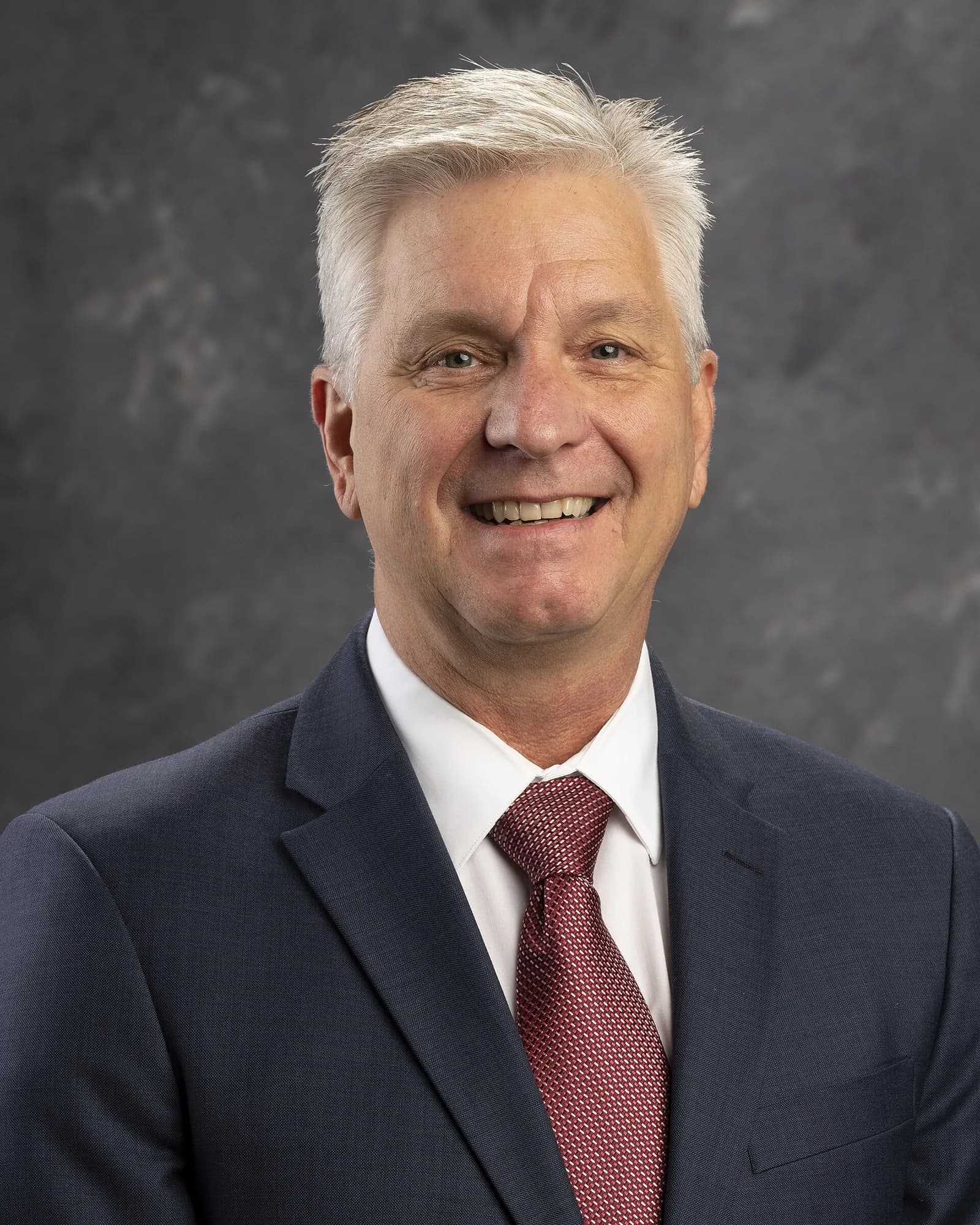
Waller's case for a bigger move
Federal Reserve Governor Christopher Waller said Wednesday that inflation worries him deeply and is spreading across the economy rather than easing. He argued that bringing prices back under control will require the central bank to act with greater force than it has so far, and that a half-percentage-point increase at the December meeting is the likely near-term step.[S1][S2]
Before anything else, Waller said, the Fed should undo the three rate reductions it approved last year, and it should stay ready to tighten further if that reversal fails to slow price growth. He suggested the process could require three increases and possibly additional ones beyond that.[S1]
Waller described an alternative path as well: a quarter-point increase in December combined with an explicit signal that another increase would follow in January. If policymakers are unwilling to offer that guidance, he argued, a larger December move becomes necessary to accomplish the same goal. He noted that Fed Chairman Kevin Warsh objects to such signaling because it can limit the options available to policymakers.[S1]
Markets and a divided Fed
October consumer prices exceeded forecasts, complicating the inflation fight. Derivatives tied to the policy rate point to a quarter-point increase next month, another in January, and at least one more move by the end of 2027, according to CME Group's FedWatch gauge.[S1]
Views inside the Fed differ on pace. New York Fed President John Williams said the situation does not warrant dramatic action and described the recent approach of gathering data, analyzing it and debating before deciding as working well. St. Louis Fed President Alberto Musalem, by contrast, raised the possibility of as many as four increases completed by spring 2027.[S1]
Cleveland Regional President Beth Hammack and Dallas Regional President Lorie Logan are among those who have favored a more gradual path. Recent statements cover a range of positions, though most officials see additional tightening as necessary to bring inflation down.[S1]
How inflation reignited
The Federal Open Market Committee raised rates in September for the first time in more than three years, then left them unchanged in October. During 2025 the Fed approved three cuts, driven by labor market concerns and the expectation that inflation would keep easing toward 2 percent.[S1]
Inflation picked up again earlier this year after the United States and Israel carried out strikes against Iran in late February. Energy prices rose at the same time, and lingering tariff effects helped keep most inflation measures above 3 percent. Waller argued that simply returning to last summer's 2025 policy rate would not solve the problem if it had not worked then. Minutes from the October meeting were due later Wednesday.[S1]
What it means for portfolios
Markets lean toward a smaller December step, while Waller is pressing either for a bigger move now or an explicit nod to January. If the Fed takes the tougher route, or if inflation remains above the 2 percent target, rate-sensitive areas such as growth stocks, long-duration bonds and housing-linked names could face choppier trading. The next two meetings, and how the Fed communicates about them, will guide the path of yields into 2027.[S1]