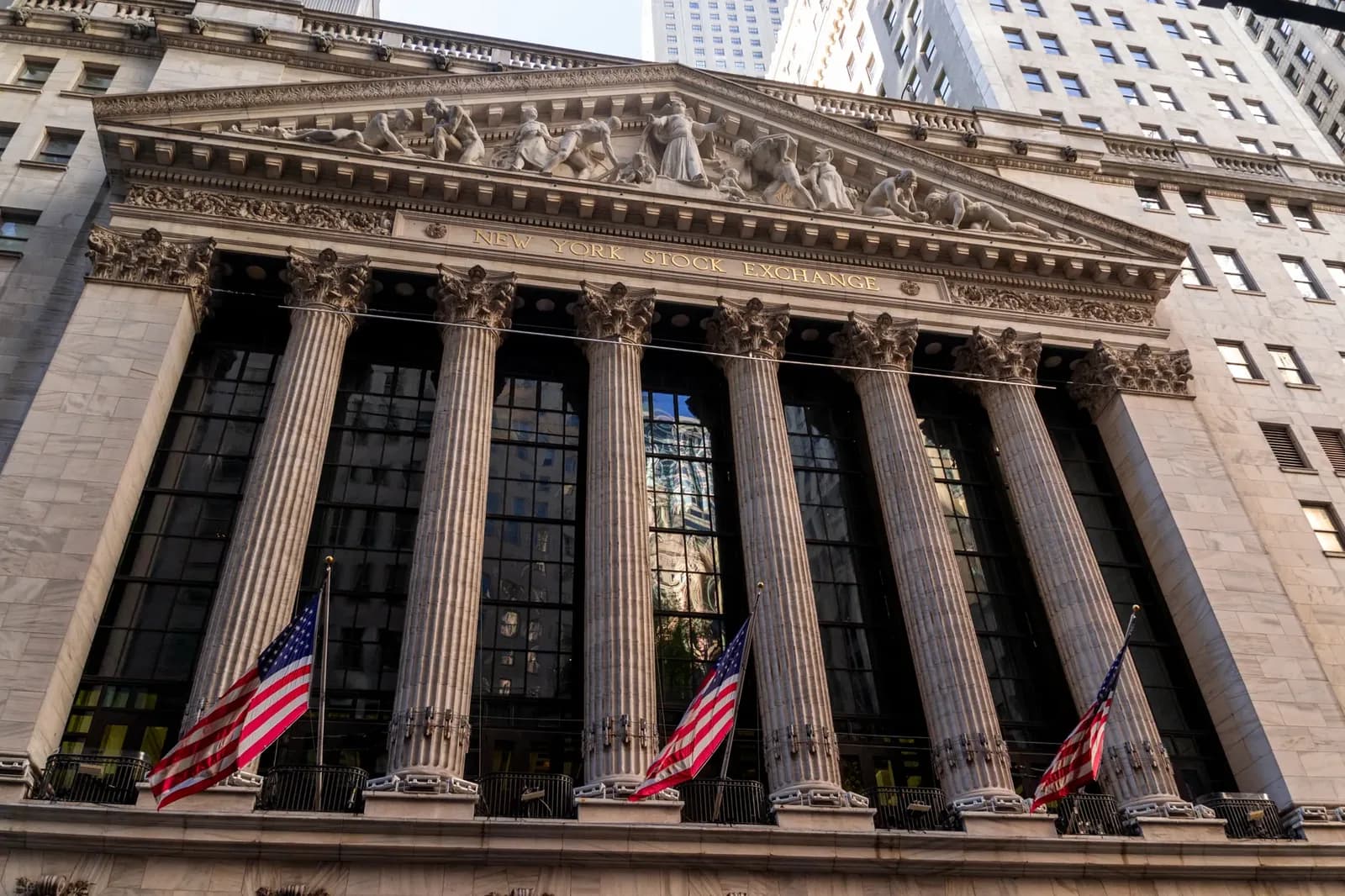
Market Overview
U.S. stocks advanced on Wednesday, with the S&P 500 rising 0.4% and poised to end a three-day losing streak. The Dow Jones Industrial Average added 209 points, or 0.4%, while the Nasdaq composite climbed 0.3%. The gains were driven by large technology companies and relatively stable oil prices and bond yields, offering a respite after a downbeat start to the week.[S1]
The market had been under pressure from rising oil prices and a bond-market sell-off. Despite a mostly positive August, September began rocky. Anxiety persists over inflation, government debt, and the impact of global conflicts on the economy.[S1]
Tech and Corporate Movers
On Wednesday, tech and communication services led the market higher. Nvidia, with its substantial market cap amplifying its impact, climbed 3.3%, and Micron Technology advanced 1.5%. Meta added 2.2%, while Netflix gained 1.8%.[S1]
Dell Technologies surged 13%, the S&P 500's top performer, after posting robust fiscal second-quarter earnings driven by accelerating demand for AI computing and lifting its full-year revenue forecast. Palo Alto Networks exceeded quarterly expectations, citing strong AI cybersecurity demand, yet its shares dropped 10.9%. Banks and credit card firms also contributed to the rally, with Capital One Financial up 2.5% and American Express rising 1.6%.[S1]
Oil and Geopolitical Tensions
Oil prices remained largely stable despite the escalation of the six-month U.S.-Iran conflict. Over the weekend, U.S. strikes hit Iranian sites, breaking a period of relative calm, and Iran has since retaliated against targets around the Gulf. Brent crude edged up 1% to settle at $95.63 per barrel, while U.S. crude rose 0.9% to $91.01.[S1]
Energy stocks showed mixed results, with Chevron inching up 0.5% after confirming plans to expand Venezuelan operations. The oil price spike following the conflict's onset had already pushed up gasoline prices and global shipping costs, as the Strait of Hormuz—a conduit for 20% of global oil—was closed. Higher energy costs exacerbated persistent inflation amid a volatile U.S. tariff war.[S1]
Economic Data and Fed Watch
Inflation has been squeezing businesses and households while the resilient jobs market shows signs of weakening. ADP reported that private-sector employment slipped in August, though it is a small snapshot. A government report on Tuesday showed U.S. job openings rose in July. The focus this week is Friday's broader employment report for August; the July report showed a stalled market with employers cutting positions.[S1]
Both inflation and jobs data are key for the Federal Reserve. Angelo Kourkafas, senior global strategist at Edward Jones, noted in a research note that Friday's employment report and next week's inflation data will significantly influence whether policymakers raise rates in September. The Fed aims to balance supporting employment and taming inflation, with a target of 2%. Wall Street expects a rate hike before year-end. The 10-year Treasury yield rose to 4.80%, and the 2-year held at 4.39%. CME FedWatch shows a 64% chance of a September hike.[S1]