A record price in New York
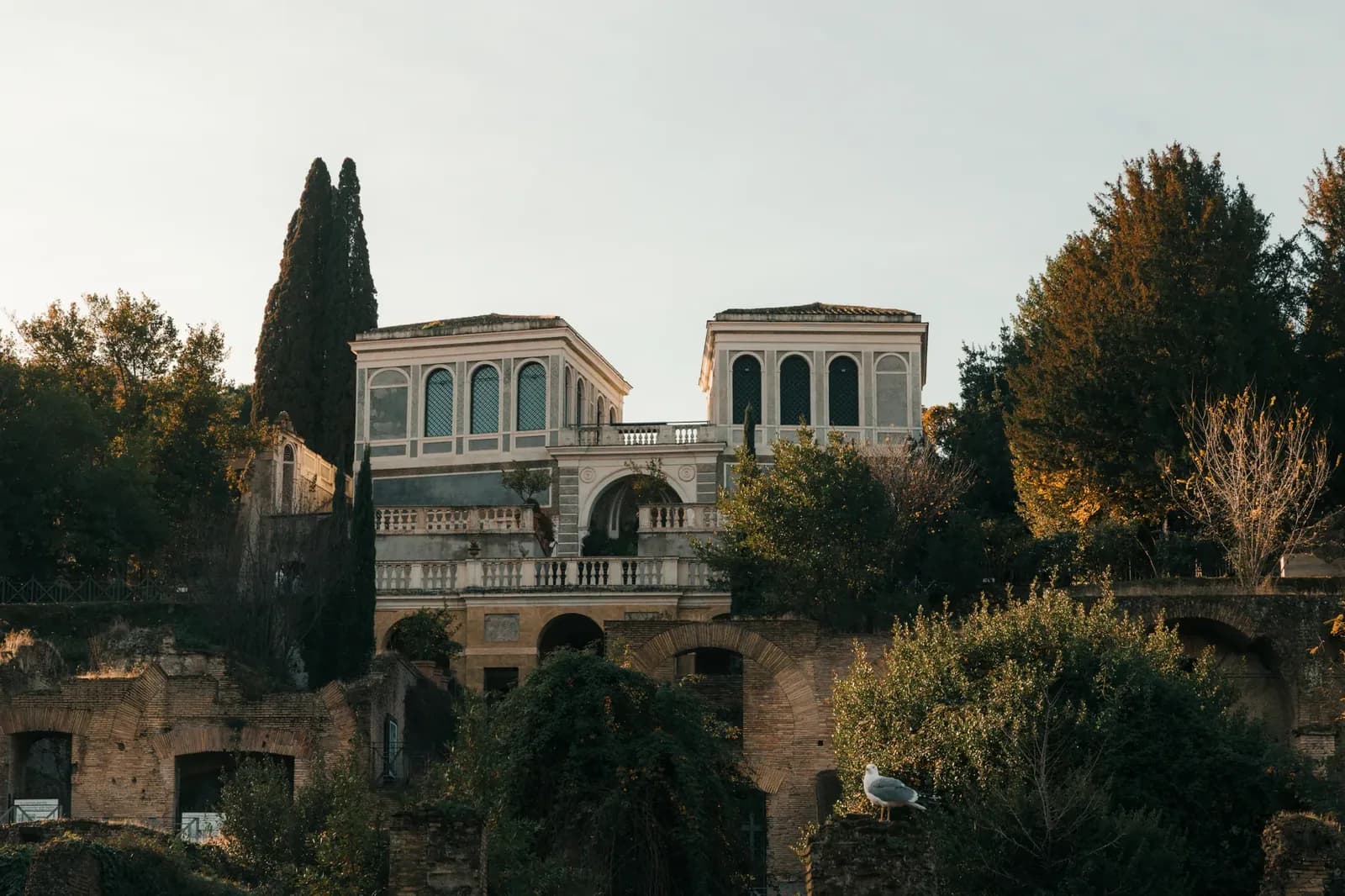
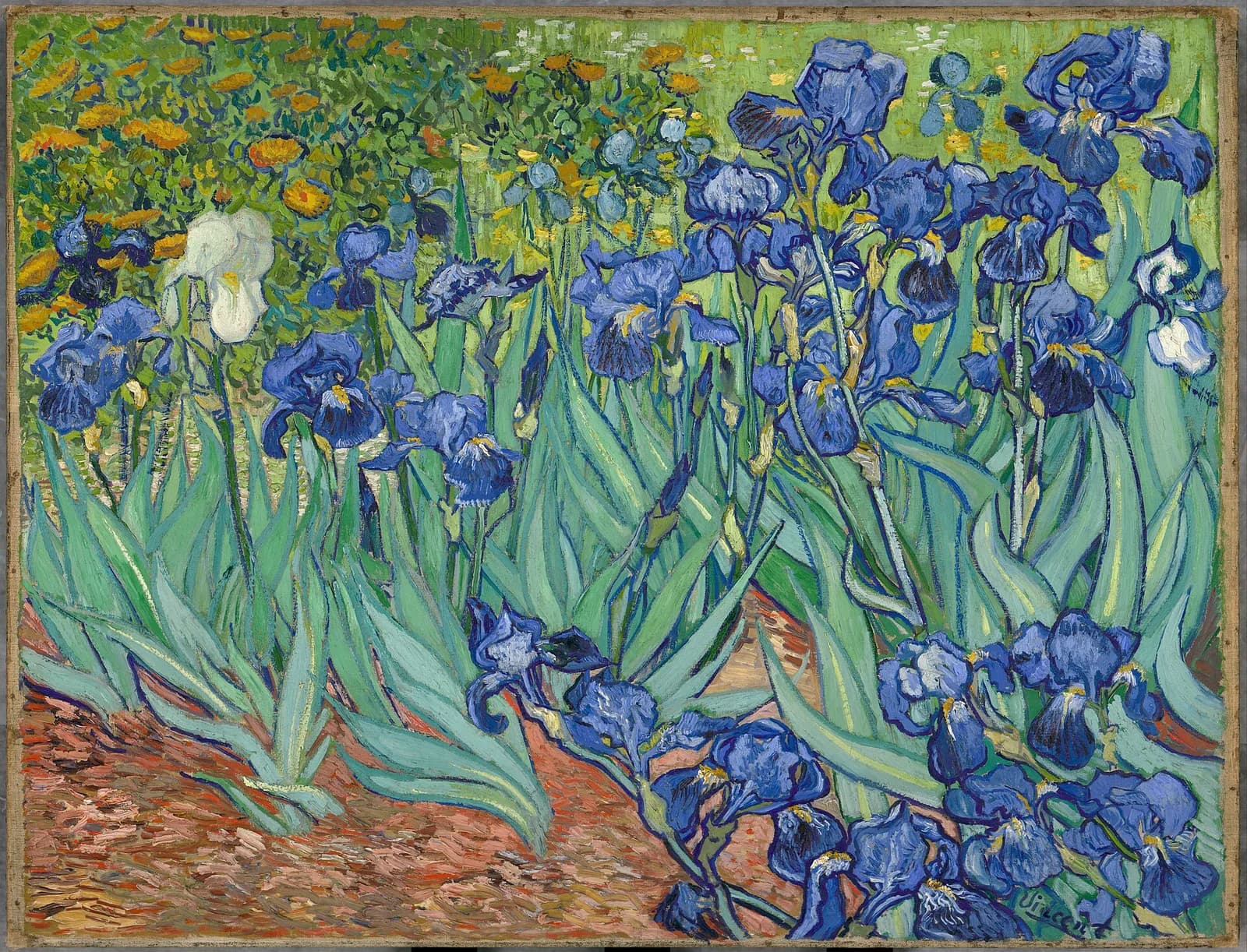
Sotheby's reported that Chataigniers en fleurs, a canvas Van Gogh completed in 1890 at Auvers-sur-Oise in France, changed hands on Wednesday for $190.4m, equivalent to £144.9m or A$285m. The figure stands as a new auction benchmark for the Dutch post-impressionist and ranks as the costliest artwork taken to auction during the current season. The New York Times identified the purchaser as William Acquavella, an art dealer who leads Acquavella Galleries.[S1][S2][S3][S4][S5][S6][S7][S8]
The artist's earlier auction high was $117.2m, paid at Christie's in New York in November 2022 for the 1888 canvas Orchard with Cypresses. The New York Times also noted that a separate 1888 Van Gogh, Le Zouave, had been sold privately through Christie's less than a year earlier for a sum in the region of $190m, a transaction that did not take place on the open market.[S1]
The Fischer family and the 1936 sale
The canvas was purchased in Paris in 1909 by Samuel Fischer, a well-known German publisher, and his family relinquished it in 1936. Fischer's descendants challenged that sale, contending that the family gave up the artwork solely as a result of the financial harm they endured while the Nazis held power. Gunnar Schnabel, the family's attorney in Berlin, called on Sotheby's to show that the price paid reflected the painting's market value and that the family would have parted with it regardless of the era's political conditions.[S1]
Sotheby's states that the Blaquier-Arrieta family acquired the painting in 1975 and held it for over fifty years. On the Tuesday preceding the auction, the auction house disclosed that the Blaquier-Arrieta family and every legal heir of Hedwig and Samuel Fischer had reached an agreement regarding the sale of the work, which removed the obstacle to the Wednesday auction.[S1][S4][S8]
Reaction after the gavel
In remarks to the New York Times following the sale, Schnabel expressed the family's hope that the wide public scrutiny the case drew, along with its quick and fair conclusion, could serve as encouragement to other families persecuted under the Nazi regime. He added that the room felt devoid of any celebratory mood. Sotheby's said the Fischer heirs voiced appreciation for talks and cooperation with the auction house and the Blaquier-Arrieta family that they characterized as grounded in trust and fairness, enabling recognition of the Fischer family's suffering in the Nazi period and tribute to Gisela Berman Fischer's efforts to obtain justice for her family.[S1]