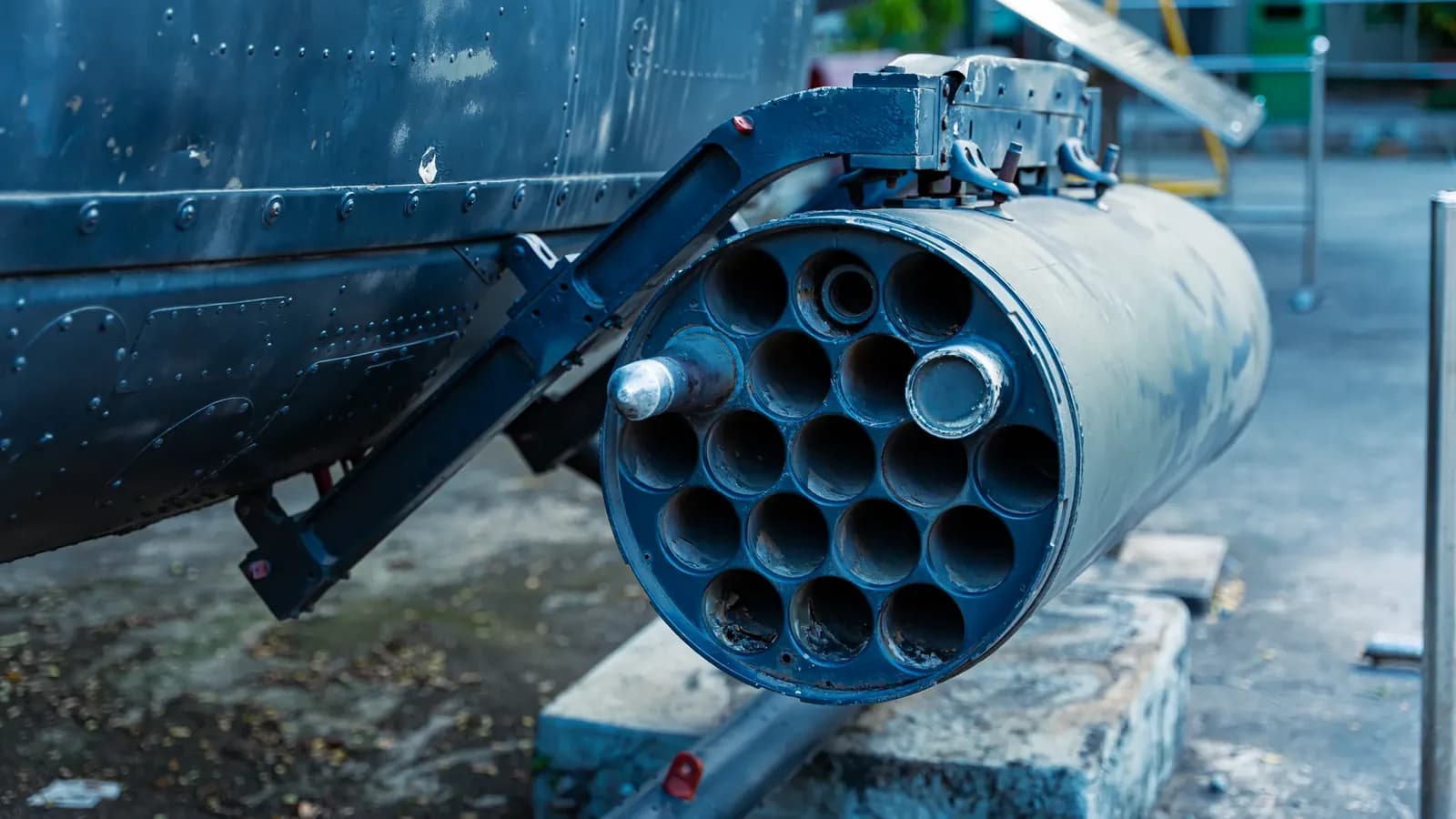
Strike options include massive air-blast bomb
CNN reported on Thursday that the U.S. military has prepared a set of options for fresh attacks on Iran, among them the possible deployment of one of the largest non-nuclear weapons in its stockpile. According to the network, which attributed the information to several U.S. officials with knowledge of the plans, the proposals include the GBU-43/B Massive Ordnance Air Blast Bomb, commonly called the "mother of all bombs." CNBC stated it could not verify the report on its own and had contacted the Pentagon for a response.[S1]
Weighing 21,600 pounds, the air-burst munition is built to strike surface targets across a broad area, and the U.S. has not yet employed it in any of its earlier strikes against targets located within Iran. It was previously dropped in Afghanistan in 2017, while the earlier Trump administration was in office.[S1]
Several independent outlets also reported that the US is considering using the mother of all bombs against Iran.[S2][S3][S4][S5][S6][S7][S8]
Tehran vows to keep fighting for its demands
In a televised speech late Wednesday, Iranian Parliament Speaker Mohammad Bagher Ghalibaf argued that Tehran needs to keep combining military and defensive strength, diplomacy and regional strategic influence in order to force Washington to meet its terms. Tehran has in the past spelled out demands such as an end to the U.S. naval blockade and sanctions and the removal of American forces from the region. Ghalibaf added that Iran does not seek a permanent war, but rather aims to stop the U.S. and other rivals from attaining their goals through armed attacks, Iranian state-affiliated media reported.[S1]
Regional tensions and domestic pressure
President Donald Trump stated last week that he would not authorize a return to military strikes ahead of the Nov. 3 midterm elections. Even so, Middle East tensions remain high following the sinking of a container vessel in the Strait of Hormuz on Wednesday and a series of deadly attacks on Saudi Arabia carried out by the Iran-backed Houthis. With Americans feeling the squeeze at home from surging energy prices and broader cost pressures, the White House faces growing pressure to demonstrate progress on its Middle East goals before the midterms.[S1]
According to the Wall Street Journal, Tehran is said to be bolstering its defenses around key energy and nuclear facilities ahead of a possible new wave of attacks.[S1]