Four named as oil-revenue middlemen
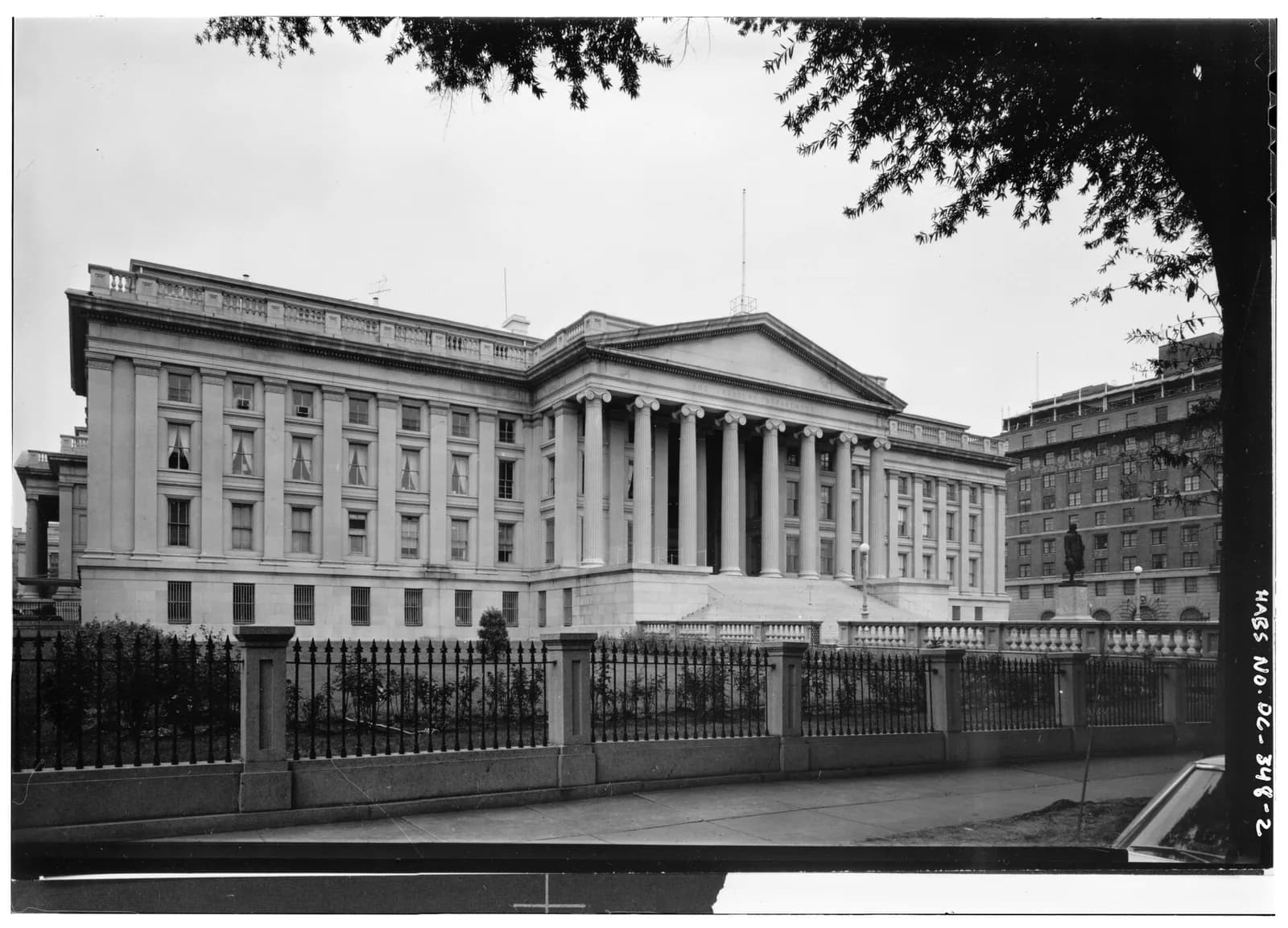
The US Treasury Department announced fresh sanctions against four Iranian nationals, saying they served as financial go-betweens who took in money earned from Iranian crude sold overseas and arranged for those funds to be moved in ways meant to get around American restrictions. The Office of Foreign Assets Control carried out the designations. The four are Mojtaba Arabnejad, Mohammad Javad Bavand, Mohammad Hossein Sarvati and Majid Taj.[S1][S2]
According to the Treasury, the action sits inside Operation Economic Outcast and rests on two executive orders, one aimed at Iran's petroleum, petrochemical and aviation industries and another invoking counterterrorism authority. The State Department separately asserted that the four sell oil illicitly to help bankroll Iran's armed forces and its backing of militant groups abroad.[S2]
Family and institutional ties described
Treasury described Bavand as a former intelligence officer in the Islamic Revolutionary Guard Corps and Taj as a brother of the head of Iran's football federation, saying the pair head a network that markets oil from the country's shrinking reserves while owing the government billions. It identified Sarvati as a son of IRGC Brig. Gen. Mohsen Servati and Arabnejad as a son of Hamid Arabnejad, chief executive of Mahan Air.[S2]
The department further claimed that Sarvati held executive posts at firms operated by Sepehr Energy Jahan Nama Pars Company, which the US has already designated as a front, and that Arabnejad procured aircraft components and weapons for the Iranian military. The State Department characterized Mahan Air as a carrier Tehran uses to shuttle arms and fighters on behalf of the IRGC-Quds Force.[S2]
Blockade claims and a long pressure campaign
Treasury said no crude has been loaded onto tankers since the operation started and none is afloat beyond the US military blockade enforced during the months-long war, as Tehran seeks to recover billions of dollars it says oil trustees owe. The department said Washington will keep working to deny Iran revenue it says is used to destabilize the region and threaten US partners.[S2]
The measures extend a pressure campaign pursued by the Trump administration and built on decades of economic, financial and energy sanctions. According to the reporting, those restrictions have not delivered their stated aim of forcing Iran to alter its policies through economic strain.[S1]