Economic Growth Decelerates
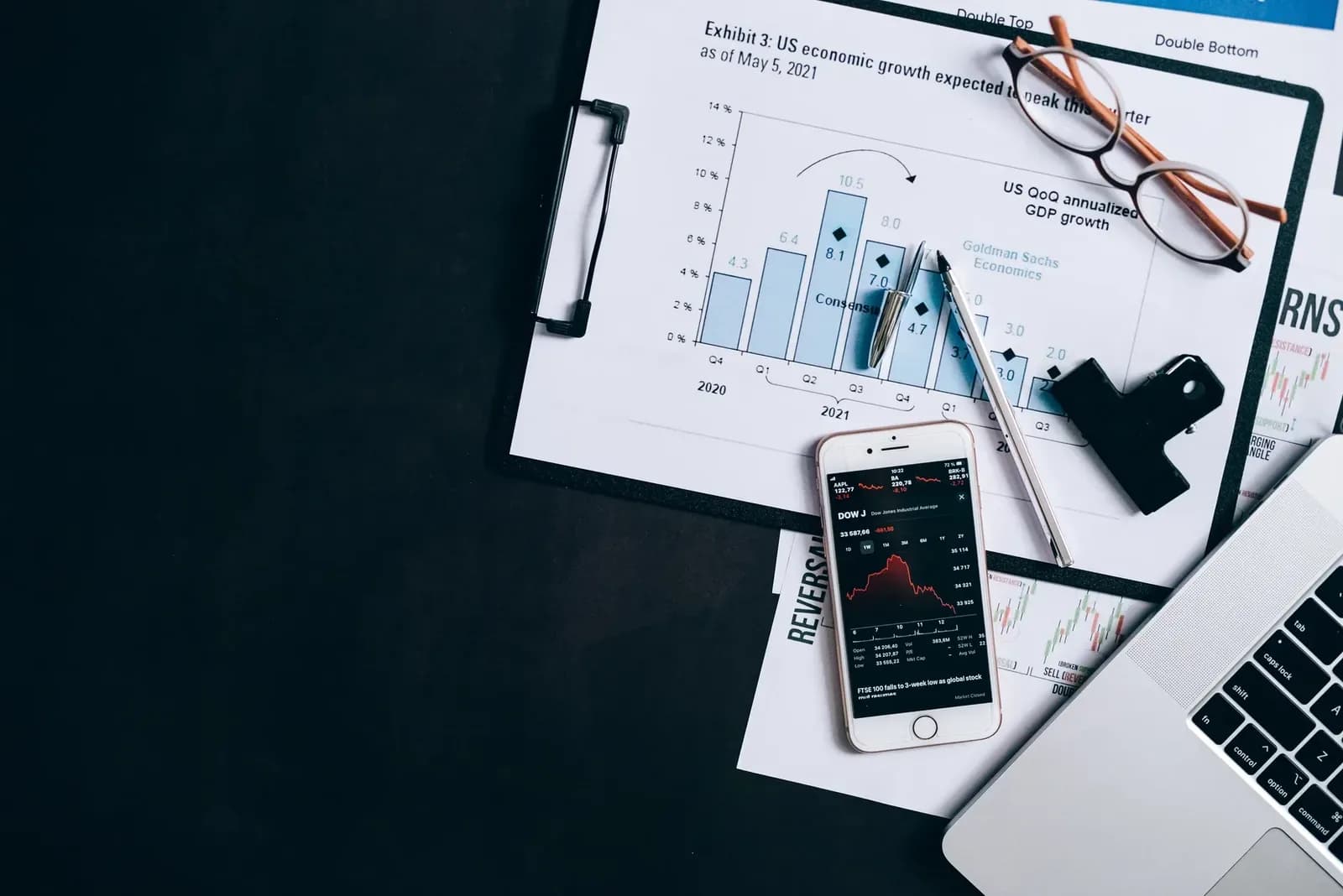
The U.S. economy expanded at an annualized rate of 1.5% in the second quarter of 2026, missing economists' forecasts of around 2.1% and down from a 2.1% pace in the first three months of the year, according to the Commerce Department. The slowdown was driven by lower government spending, weaker investment, and a decline in exports, while imports rose sharply.[S1][S2][S3][S4][S6]
Government spending fell, and investment growth, excluding housing, moderated to 8.4% from 10.6% in Q1, though it remained strong due to AI-related capital expenditure. Exports lost momentum, while imports surged at an 11.5% rate, partly on shipments of computer chips for AI, subtracting 1.5 percentage points from GDP.[S2][S4][S5][S6]
Consumer and AI Boost Underlying Demand
Consumer spending, which accounts for about 70% of U.S. economic activity, surged at a 3.2% annual rate in the second quarter, rebounding from a 0.5% pace in Q1. Spending was supported by larger tax refunds from President Trump's "One Big Beautiful Bill," strong asset prices, and the FIFA World Cup. Americans continued to purchase vehicles, furniture, and prescription drugs despite rising prices.[S1][S3][S6]
Business investment in artificial intelligence remained a key driver, with spending on data centers and microchips boosting domestic demand. However, the rise in imports of AI-related equipment means the net contribution to GDP growth is modest. Underlying private-sector demand, measured by real final sales to domestic purchasers, accelerated to 3.9% from 1.7% in Q1.[S1][S3][S5][S6]
Inflation and Federal Reserve Response
Inflationary pressures remained elevated in the second quarter. The Personal Consumption Expenditures (PCE) price index, the Fed's preferred measure, rose 3.7% from a year earlier in June, down from 4.1% in May but still above the central bank's 2% target. Core PCE, excluding food and energy, increased 3.3% year-over-year. Gasoline prices fell 9.2% in June, providing some relief at the pump, but average gasoline prices remained above $4 per gallon.[S1][S6]
The Federal Reserve left its benchmark interest rate unchanged at 3.50%-3.75% for the fifth consecutive meeting on Wednesday. However, three regional Fed presidents dissented, preferring a quarter-point hike to combat inflation. The Fed acknowledged "solid" economic expansion despite uncertainty from the war with Iran and elevated oil prices around $90 per barrel.[S1][S2][S3][S6]