Record Diesel Prices and Consumer Impact
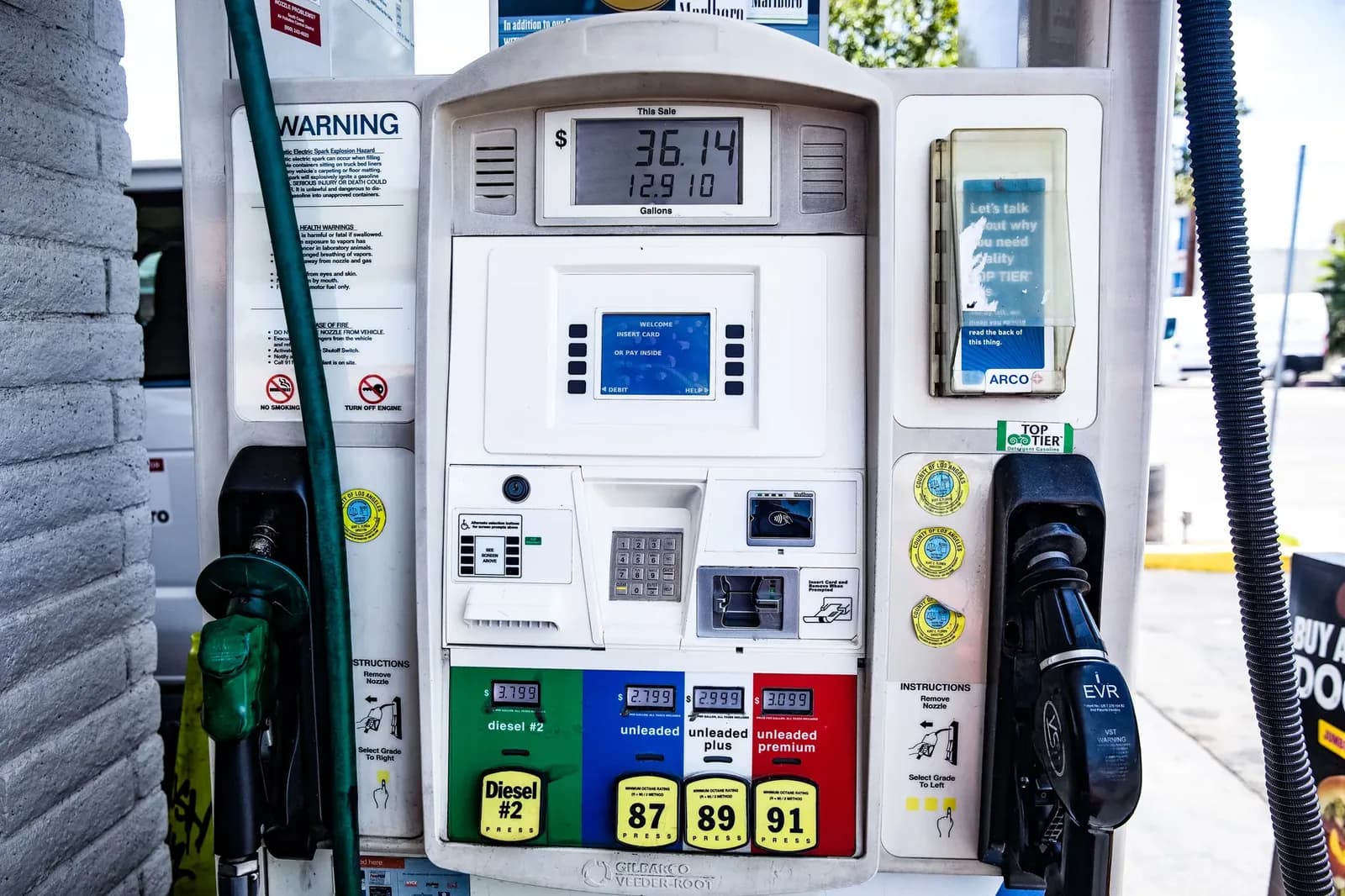
On Friday, the U.S. national average for diesel fuel reached an all-time high of $5.85 per gallon, as reported by recent data. This surge is linked to the half-year-long conflict with Iran, which has consistently interrupted worldwide fuel supply chains. Given that freight and delivery operations depend heavily on diesel, these increased costs translate into higher shipping expenses for a wide range of consumer products.[S1]
Businesses in various industries are facing larger fuel bills, and some have already started passing these costs to customers through surcharges on online purchases and parcel deliveries. As a result, consumers are likely to notice rising prices on store shelves. Supermarkets are particularly affected, especially for fresh produce, meat, and other perishable items that need frequent transport and restocking, or that depend on diesel-powered farm machinery during harvest.[S1]
While it may take time for these added expenses to fully reach end consumers, the financial strain is mounting. Analysts caution that if diesel prices stay elevated, increases could spread to many goods shipped by diesel trucks, trains, and ships, including apparel, beauty products, and home furnishings.[S1]
Administration's Dual Approach
Facing a defiant Iranian government that has not yielded despite a large-scale military campaign, President Donald Trump appears to have adopted a two-fold strategy: economic sanctions combined with the threat of severe military escalation. After launching "Operation Economic Outcast" last week to cut off Iran's remaining trade partners, the administration also renewed airstrikes in recent days, provoking Iranian retaliation that has heightened fears of a broader regional conflict.[S1]
Nevertheless, the combination of stringent sanctions and intermittent bombing over the six-month conflict has not weakened Tehran's resolve, leaving the administration searching for a way to end the war. Iran has remained steadfast, much to Trump's annoyance, as energy prices climb, the global economy faces turbulence, and approval ratings for the administration's war management decline ahead of November's midterm elections.[S1]