A prisoner swap agreed, with more talks promised
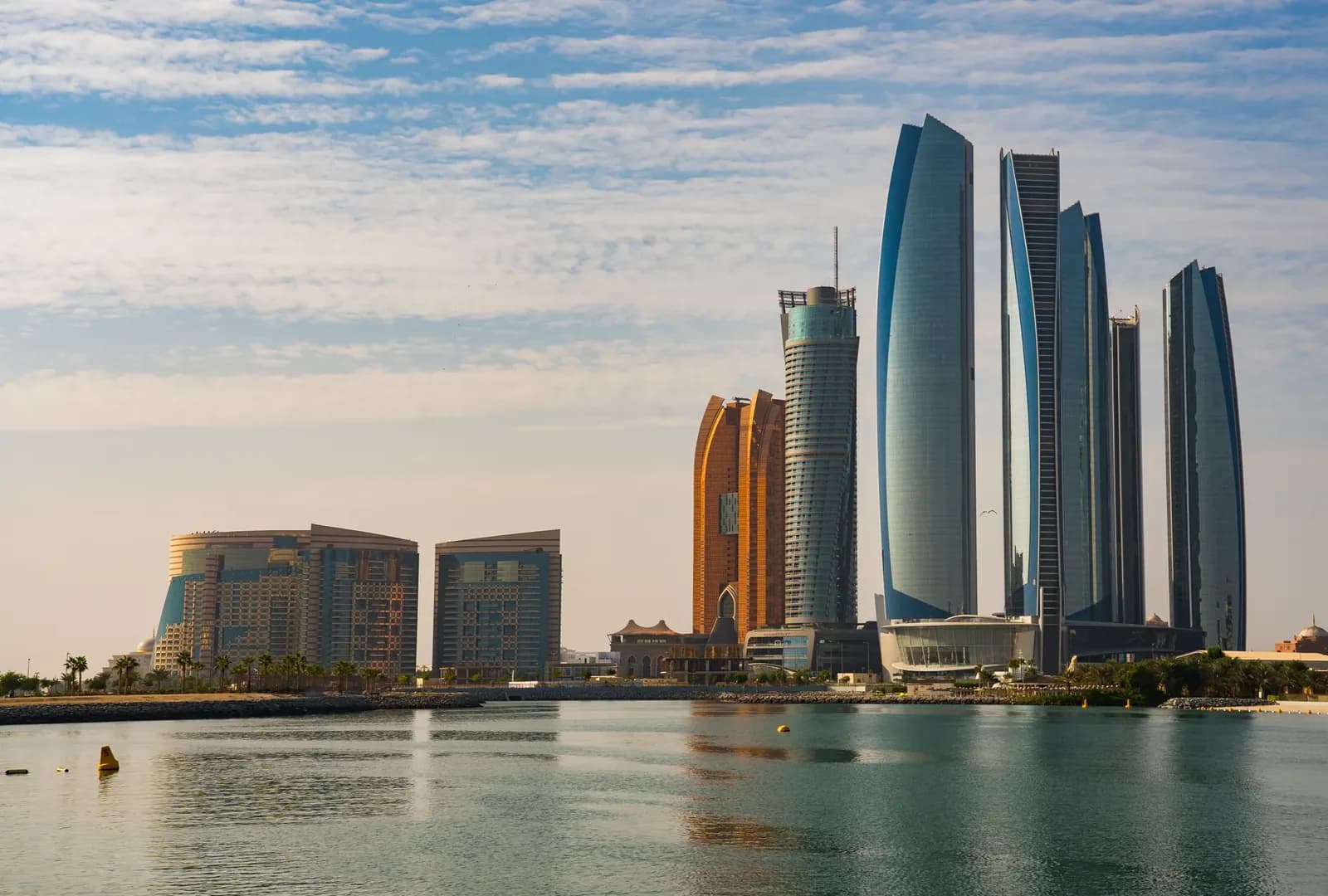
Russia and Ukraine reached an agreement on a large-scale exchange of prisoners at the close of peace talks in Abu Dhabi, Russia's chief negotiator Vladimir Medinsky said. Speaking in remarks carried on Russian state television, Medinsky said the two sides had found mutual understanding on certain questions and that additional rounds of talks would take place. The swap would be the most recent in a long series of such exchanges between the two countries.[S1][S2][S4][S5]
Medinsky was less forthcoming about the prospect of European countries taking part in the process. He argued it was not clear what Russia and the European Union would have to discuss, citing what he described as an absence of proposals from the European side. The talks themselves were mediated by the United States and ran for nearly four hours, according to PBS.[S1][S3][S6]
Kushner sets out the next stops: Moscow, then Dublin
US negotiator Jared Kushner, who is also Donald Trump's son-in-law, described the Abu Dhabi discussions as very substantive while conceding they were pretty tough after almost eight months in which the sides had not been together. He said he and peace envoy Steve Witkoff would travel to Moscow on Thursday to meet Vladimir Putin and review what had been discussed, aiming to advance some of the issues on the table.[S1]
From Moscow the two envoys plan to fly to Dublin to meet Ukraine's Volodymyr Zelenskyy, briefing him on the talks and exploring ideas raised in Abu Dhabi. Zelenskyy will be in the Irish capital for a summit of the European Political Community alongside other EU leaders. Kushner said he also hoped to complete work on humanitarian relief and on what he called the largest humanitarian release of prisoners during the meeting with Putin.[S1]
Kushner said Washington was working to bring European partners into the format so that it becomes multilateral, and he praised existing discussions with the EU, NATO, France, Germany, Italy and the UK. He identified postwar security and security guarantees, along with deconfliction and the monitoring of any future ceasefire, as the central questions, while acknowledging that territorial issues would prove the hardest. He also said he thought a face-to-face meeting between Zelenskyy and Putin would be valuable, but noted that the Russian side wants more progress first.[S1]
Kyiv's case, and Europe's place at the table
Arakhamia, a senior figure in Zelenskyy's party and leader of its parliamentary group, expressed hope that the talks would keep their positive trajectory and that an agreement could be reached before the year is out. In his own address, Zelenskyy pushed back on Moscow's calls for security guarantees, noting that Russia has not faced attack for many decades and that, since World War II, it has never gone ten years without launching a war or deploying force against another nation.[S1]
Zelenskyy contended that Russia's talk of a security architecture or guarantees for itself is really about meddling freely in other nations' affairs, applying force whenever it chooses, and blocking outside support for freedom within Russia, rather than about security or peace. Any negotiations to end the war, he said, must include Europe, cautioning that when Europe doubts its own strength, others seek to force their decisions upon it. His address concluded with enthusiastic applause and a standing ovation.[S1]
G7 weighs Ukraine's financing beyond 2026
Foreign ministers of the G7 nations stressed the need to secure long-term financial support for Ukraine as Kyiv's allies looked for ways to cover its budget beyond 2026. In a joint statement issued after a meeting in Paris on Monday and Tuesday, the ministers of Canada, Germany, France, Italy, Japan, the UK and the United States said Ukraine's pressing financing needs for 2027 and beyond had to be addressed in a coordinated way. They added that negotiations on Europe's future security must include the Europeans.[S1]