A Bipartisan Package Becomes Law
On Friday, US President Donald Trump put his signature to a broad sanctions measure aimed at Russian officials and core sectors of the country's economy, a response to Moscow's continuing assault on Ukraine. For the late Senator Lindsey Graham — a staunch presidential ally and friend who died unexpectedly in July, shortly after a trip to Ukraine — the bill stood as a closing achievement. More than a year in the making, it cleared both chambers by wide bipartisan votes: 86-11 in the Senate and 262-159 in the House.[S1]
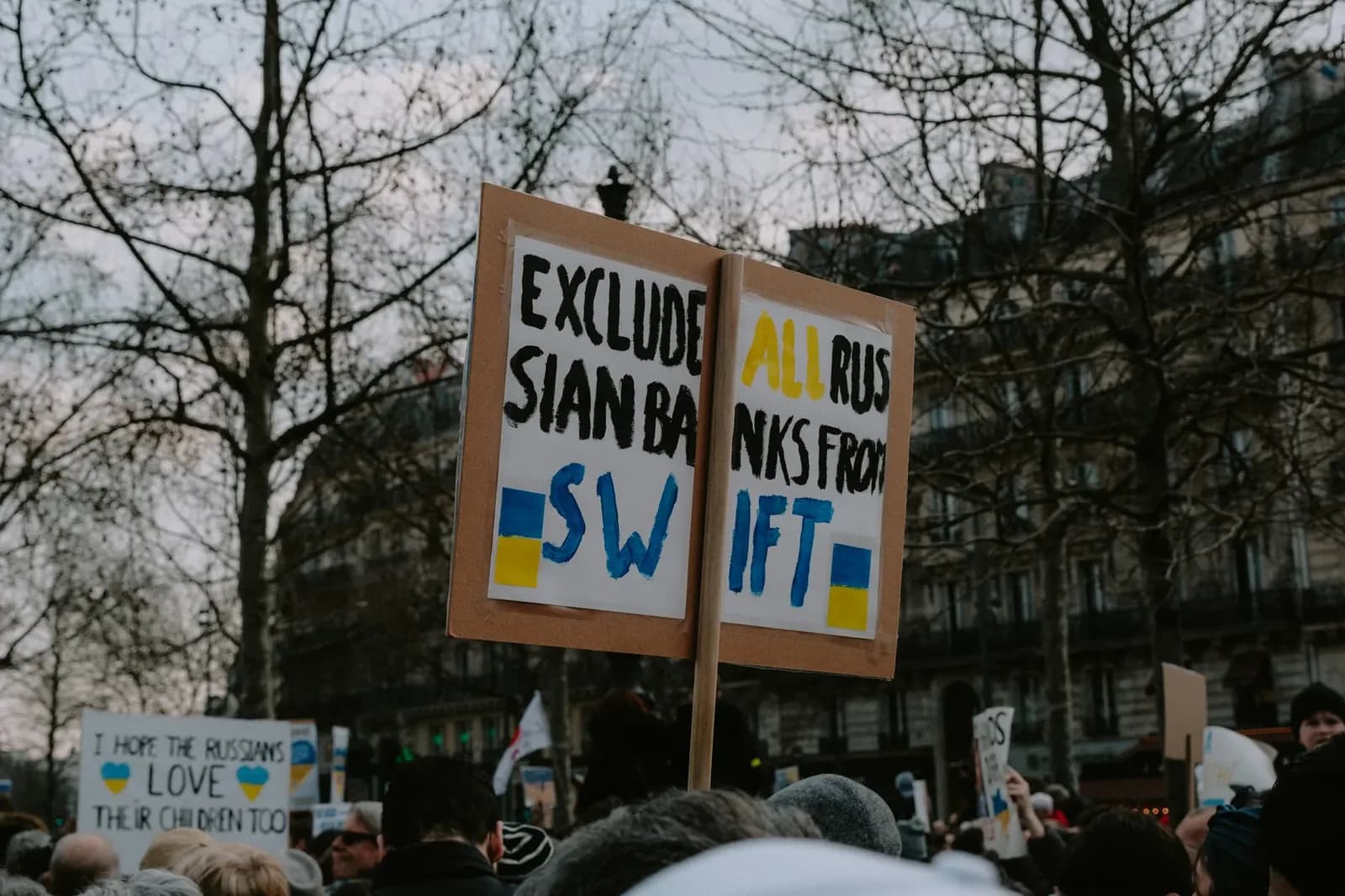
The aim of the law is to cut off the resources Russian President Vladimir Putin requires to keep fighting in Ukraine, which Moscow invaded in February 2022. Senator Richard Blumenthal helped draft the measure, which places sanctions on Russian officials, banks, and the shadow tanker fleet the Kremlin relies on to sidestep Western penalties and sustain the flow of Russian energy.[S1]
Graham's Legacy and Reactions
Lindsey Graham's sister, Senator Darline Graham, released a statement Friday saying she wished her brother could be present for the historic occasion and that it would have made him proud. In her view, he believed the legislation — which occupied him for more than a year — would bring the war to a close by economically squeezing Putin and pushing his customers to rethink their ties with Russia. She was appointed to serve out her late brother's Senate term, which runs until January 3, 2027.[S1]
After the House approved the bill on Wednesday evening, Senator Richard Blumenthal reflected on Graham, saying that were he alive today he would be celebrating the passage and turning his attention to the next piece of legislation. Blumenthal also described Putin as a thug who responds only to force and strength, and said that is precisely what needs to be demonstrated plainly and without ambiguity.[S1]
Tariff Powers and Democratic Criticism
Under the bill, Trump may levy tariffs of as much as 100% on the five largest buyers of Russian oil or natural gas, though countries importing under 15% of Russia's natural gas exports and that have made meaningful efforts to cut those purchases would be exempt. Even with broad backing in Congress, the measure drew objections from a vocal group of Democratic lawmakers, who wanted a harder line on Russia yet cautioned that Trump might wield his widened tariff authority to slap new duties on the European Union and other places.[S1]
House Minority Leader Hakeem Jeffries, a Democrat, asked why Congress or the People's House would hand this president unchecked power to pile more tariffs on the world, which would harm the American people economically. Securing Trump's approval had been a bumpy process, with the White House needing assurances that the president would keep enough latitude on sanctions. Trump ultimately agreed once the bill carried his sought-after provision letting his administration renew sanctions on Iran for a further five years.[S1]